
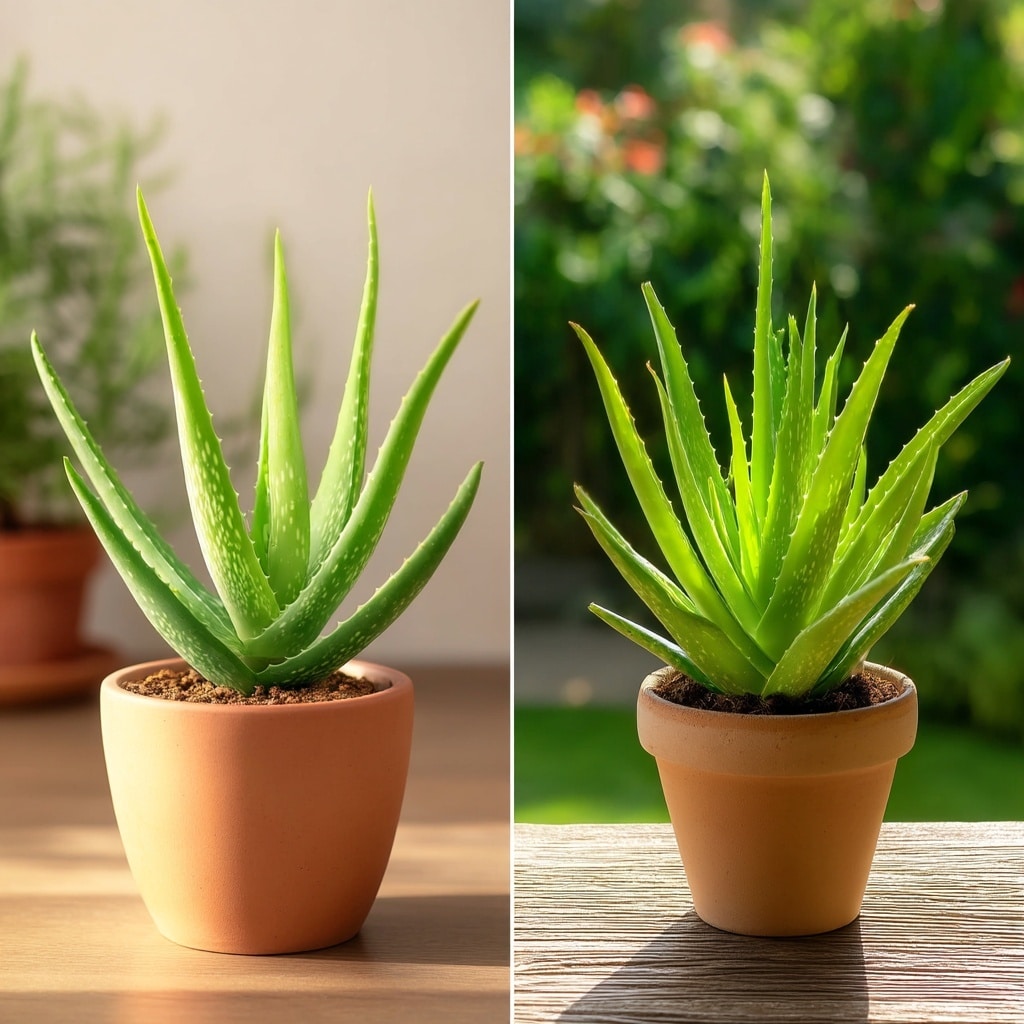
The aloe vera plant is more than just a decorative succulent—it’s a hardy, healing powerhouse that belongs in every home garden or sunny windowsill. Whether you’re drawn to its soothing gel or its reputation as a low-maintenance indoor plant, learning how to care for an aloe vera plant indoors is the first step toward unlocking its many benefits. Loved for its air-purifying qualities and natural skincare properties, this desert native thrives with just a little attention, making it a top choice for both beginner and experienced plant parents alike.
Table of Contents
Top Health Benefits of the Aloe Vera Plant

The aloe vera plant isn’t just easy to grow—it’s packed with powerful health benefits that make it a staple in both skincare and natural wellness routines. From calming irritated skin to improving digestion, this succulent offers an impressive range of uses.
1. Soothes and Heals the Skin
Aloe vera gel is widely known for its ability to relieve sunburns, minor cuts, and skin irritation. The cooling, gel-like substance inside its leaves hydrates deeply and promotes skin repair, making it ideal for treating burns and everyday skin woes.
2. Fights Signs of Aging
Rich in antioxidants like vitamins C and E, the aloe vera plant supports collagen production and skin elasticity. Regular use of its gel may help reduce the appearance of fine lines and improve skin tone.
3. Supports Oral Health
Aloe vera has antimicrobial properties that can help reduce plaque, soothe gum inflammation, and support overall mouth hygiene. It’s even been shown to help manage conditions like gingivitis when used in natural mouth rinses.
4. Improves Scalp and Hair Health
Thanks to its moisturizing and anti-inflammatory effects, aloe vera gel is a common ingredient in shampoos and conditioners. It can soothe itchy scalps, reduce dandruff, and leave your hair feeling soft and shiny.
5. Aids Digestion Naturally
Drinking aloe vera juice in small amounts may help with heartburn, acid reflux, and constipation. Its natural enzymes support gut health and can soothe inflammation in the digestive tract.
⚠️ Always consult a doctor before consuming aloe vera, especially if you have underlying health conditions or are pregnant.
Aloe Vera Plant Care Tips for Beginners and Experts Alike

Caring for an aloe vera plant is straightforward, but giving it the right conditions can make a big difference in its long-term health. Whether you’re keeping it on a sunny windowsill or planting it outdoors, these essential tips will help your aloe thrive.
Watering: Less Is More
The aloe vera plant stores moisture in its thick leaves, which means it prefers deep but infrequent watering.
- Spring–Summer: Water every 2–3 weeks
- Fall–Winter: Reduce to once a month
- Always let the top 1–2 inches of soil dry completely before watering
Pro Tip: Watch the leaves—if they look wrinkled, your plant likely needs a drink. But if they’re mushy or yellowing, you may be overwatering.
Lighting: Bright, but Not Blazing
Your aloe will do best with bright, indirect sunlight. It can handle some direct morning light, but harsh afternoon sun may cause leaf burn.
- Indoors: Place near a sunny window, ideally south- or west-facing
- Outdoors: Gradually acclimate to direct sun to avoid sunshock
- Rotate your pot every couple of weeks to promote even growth
Pro Tip: Use grow lights if natural sunlight is limited—aim for 12–16 hours of light per day indoors.
Soil: Drainage Is Everything
The aloe vera plant needs well-draining soil to avoid root rot. Use a succulent or cactus mix, or make your own:
- 1 part potting soil
- 1 part coarse sand
- 1 part perlite or pumice
Avoid soils that retain too much moisture—wet feet are fatal to aloe!
Fertilizer: Once a Year Is Enough
Fertilize lightly once during the spring growing season using a diluted, water-soluble fertilizer (5-10-5 NPK is ideal).
Too much fertilizer can harm the roots, so when in doubt, skip it.
Temperature & Humidity Needs
The aloe vera plant prefers temperatures between 55°F and 85°F and tolerates average household humidity.
If you’re growing it outdoors, bring it inside when temperatures drop below 40°F to avoid frost damage.
DIY Aloe Vera Gel & Juice: How to Make Your Own at Home
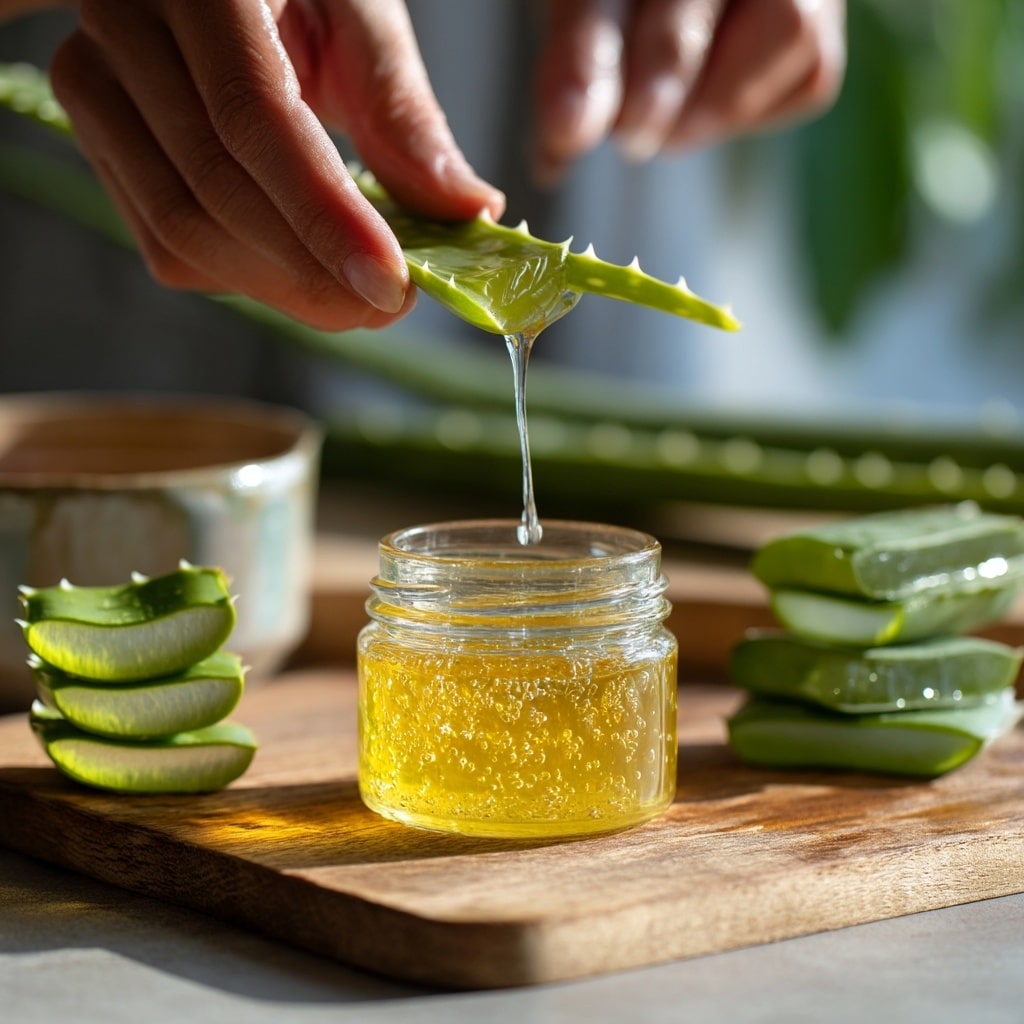
If you’ve got a mature aloe vera plant, you’re sitting on a natural goldmine. Its soothing gel is ideal for skin, while aloe juice may help support digestion when consumed safely. Making both at home is simple — and far more natural than most store-bought versions.
How to Make Aloe Vera Gel (For Skin Use)
Aloe vera gel is great for soothing burns, calming acne, and hydrating dry skin. Here’s how to extract it fresh:
Step-by-Step:
- Choose a mature outer leaf – these are the thickest and richest in gel
- Cut near the base with a clean, sharp knife
- Let it drain vertically to remove the yellow latex (this part can irritate skin)
- Rinse the leaf thoroughly to remove residue
- Peel the skin carefully on one side
- Scoop the clear gel with a spoon
- Store in the fridge in a clean, airtight container (lasts 1–2 weeks)
Pro Tip: Always do a patch test before applying to your face, especially if you have sensitive skin.
How to Make Aloe Vera Juice (For Internal Use)
Aloe vera juice is praised for its digestive benefits, but it must be made correctly to avoid unwanted side effects.
Steps to Make Aloe Juice:
- Cut a mature leaf and let the latex drain out
- Rinse and remove thorny edges
- Carefully extract the clear inner gel (avoid the yellow parts)
- Blend 2 tablespoons of gel with 1 cup of water
- Strain the mixture to remove pulp
- Drink a small amount (start with ¼ cup) and observe how your body reacts
Optional Add-Ins: Add lemon juice or honey for better flavor
⚠️ Safety Reminder: Pregnant or breastfeeding women, children under 12, and people with digestive issues like Crohn’s should avoid aloe juice unless directed by a doctor.
Potting and Repotting Your Aloe Vera Plant: What Every Plant Parent Should Know
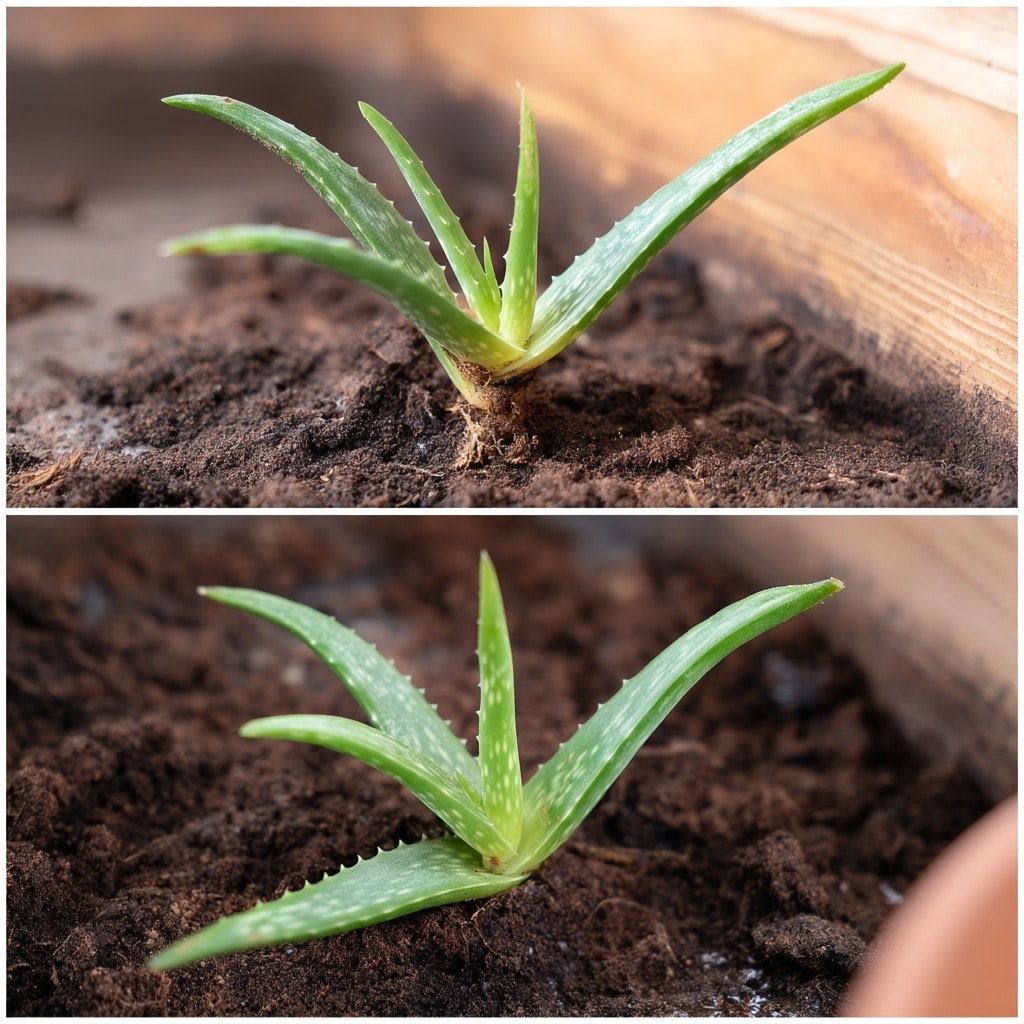
Giving your aloe vera plant the right home is essential for healthy growth. Whether you’re potting a pup for the first time or your aloe has outgrown its container, following a few simple steps will ensure it thrives.
Choosing the Right Pot
- Use a terracotta or unglazed clay pot with drainage holes
- Avoid glass or plastic containers that trap moisture
- Select a pot that’s just slightly wider than the root ball — too large, and the soil will stay wet too long
Why Terracotta?
It helps wick away excess moisture, preventing root rot — one of the most common aloe killers.
The Best Soil for Aloe Vera
Your aloe vera plant needs a fast-draining mix to mimic its native desert habitat.
- Use a cactus or succulent soil mix
- Or make your own:
- 1 part potting soil
- 1 part coarse sand
- 1 part perlite or pumice
Make sure the mix is light and airy — never soggy.
How to Pot Aloe Vera (or Repot When Needed)
- Remove the aloe from its current pot
- Gently shake off old soil from the roots
- Trim any black or mushy roots with sterile scissors
- Place the plant in the new container so the base sits just above the soil line
- Fill around the roots with fresh soil
- Wait 2–3 days before watering to let roots settle and prevent rot
When to Repot Aloe Vera
Repot your aloe vera plant when:
- Roots are poking through drainage holes
- The plant is top-heavy or leaning
- Soil dries out too slowly
- You see baby “pups” crowding the base
Pro Tip: Repot in spring or early summer — during the plant’s active growing season — for best results.
How to Propagate Aloe Vera (Step-by-Step Guide for Beginners)
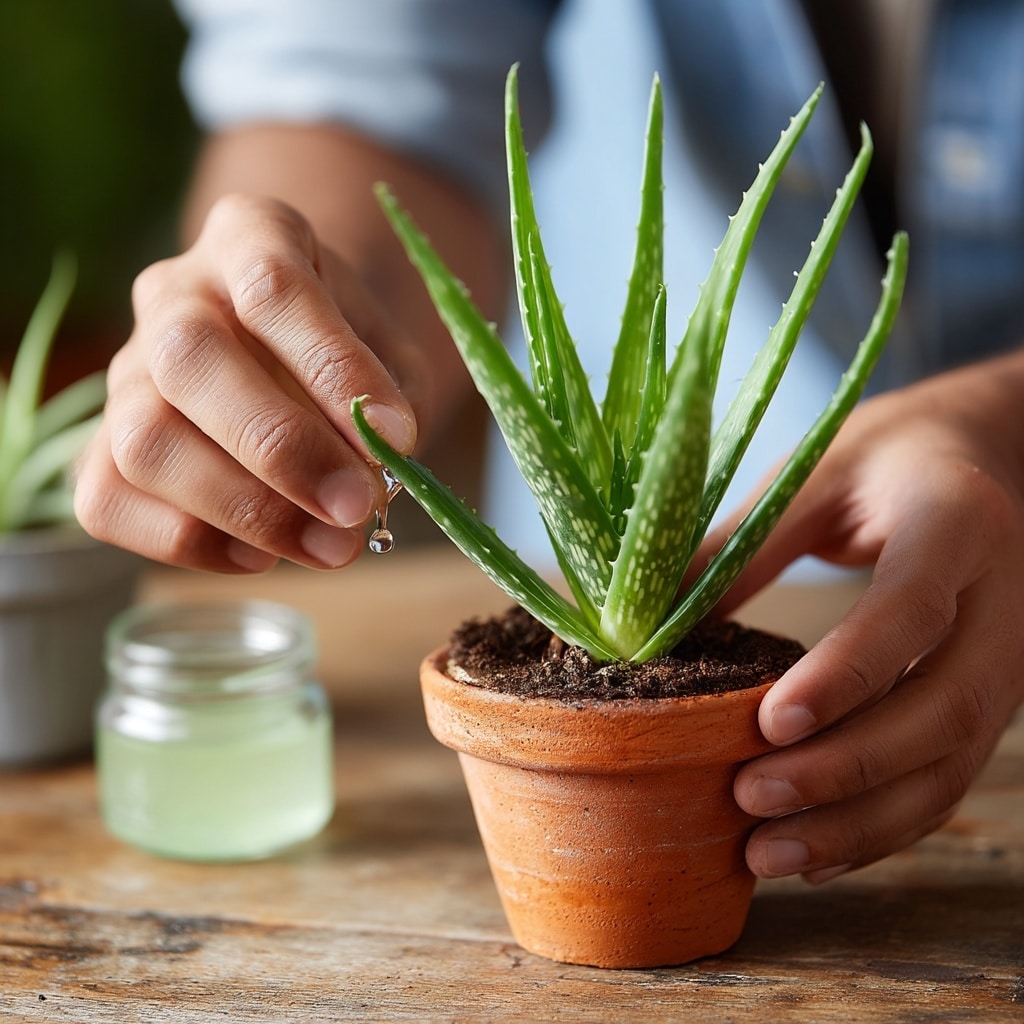
One of the best parts about growing an aloe vera plant is how easy it is to multiply. Aloe produces “pups” or offsets — baby plants that grow around the base. With the right steps, you can turn one healthy plant into several.
Step-by-Step Aloe Propagation:
- Wait for the pups to grow
- They should be at least one-fifth the size of the parent plant and have their own roots.
- Remove the aloe from its pot
- Gently lift the plant and shake off excess soil.
- Separate the pups carefully
- Use your hands or a clean knife to detach them from the mother plant.
- Let the pups callous
- Set them aside for 1–2 days so the cut ends dry and seal.
- Plant in fresh soil
- Place each pup in a small pot filled with succulent soil. Don’t water immediately.
- Wait 5–7 days before watering
- This prevents root rot and gives the plant time to adjust.
- Care for them like adult plants
- Bright indirect light, dry soil between waterings, and minimal fertilizing.
How to Get Your Aloe Vera Plant to Bloom (Yes, It Can Flower!)
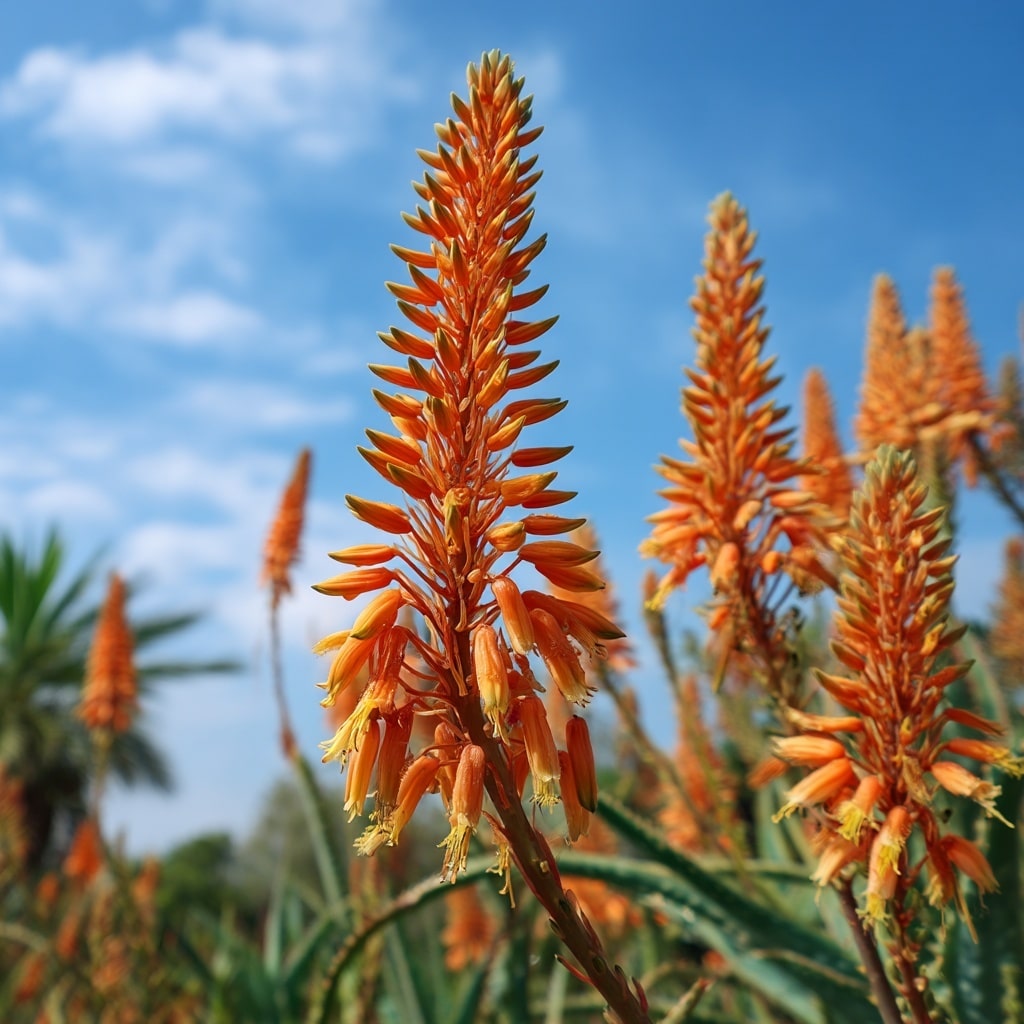
Although it’s more common in outdoor settings, your aloe vera plant can bloom — if you give it the right environment. Aloe flowers are tall, colorful, and tubular, often appearing in shades of yellow, orange, or red. However, blooming usually only happens in mature plants (around 4+ years old) and requires a bit of extra care.
Indoor vs. Outdoor Blooming
- Outdoors: Aloes bloom more often when planted in the ground in warm climates (USDA zones 9–11).
- Indoors: Blooming is rare but not impossible. Use grow lights, rotate your pot, and mimic seasonal changes.
🌸 Once flowers appear, keep caring for your aloe as usual. After blooming, remove the spent flower stalk to help the plant conserve energy.
Winter Aloe Vera Care: Overwintering Indoors and Outdoors
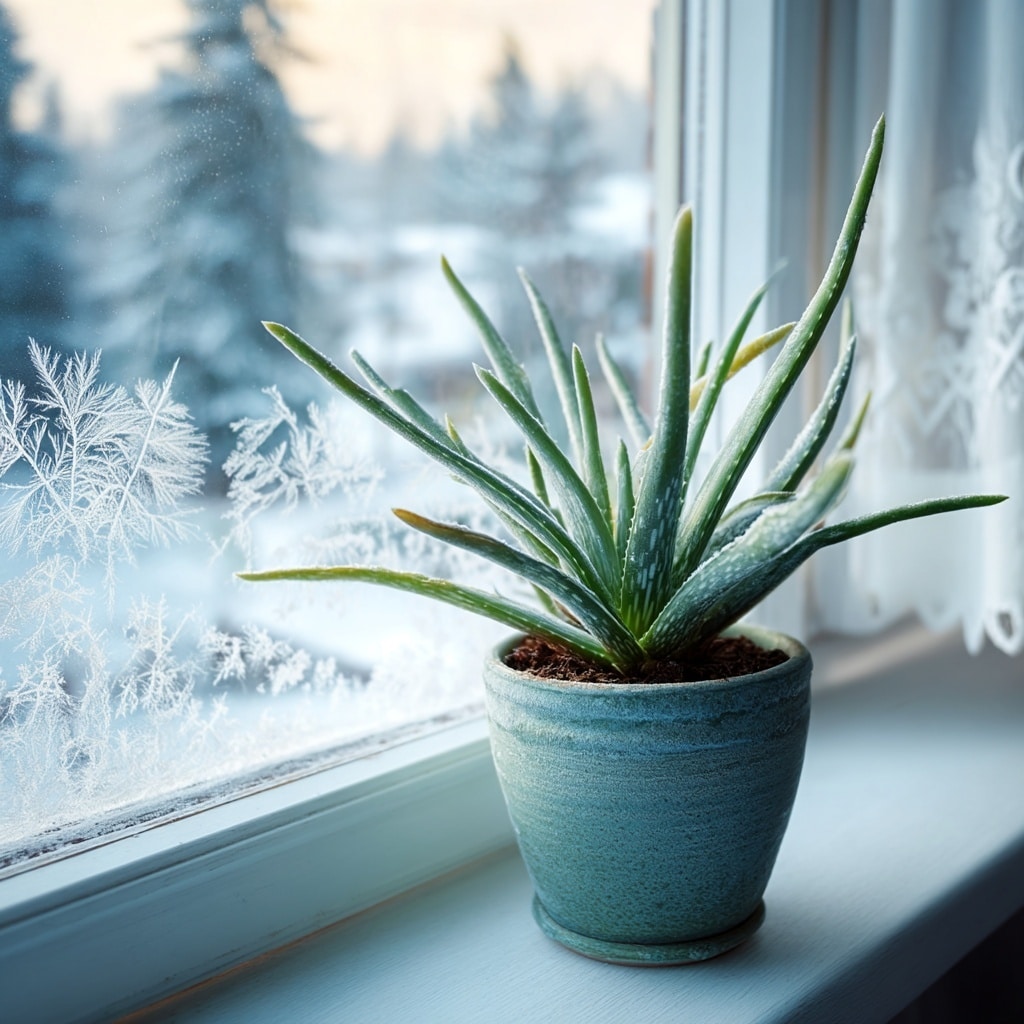
The aloe vera plant is a desert native—it loves warm, dry weather and doesn’t tolerate frost. If you live in a region where winter temperatures drop below 40°F (4°C), you’ll need to give your aloe some extra TLC during the colder months.
Indoor Winter Care (Cold Climates)
If you’re growing aloe indoors or bringing it in for the winter:
- Place it near a bright window with plenty of indirect sunlight
- Cut back on watering to once a month (or less)
- Keep it in a room with temps above 55°F (13°C)
- Rotate the pot every few weeks to prevent lopsided growth
- Avoid placing near cold drafts, radiators, or heating vents
Pro Tip: If natural light is limited, use a grow light for 12–14 hours a day to keep your plant strong and prevent stretching (etiolation).
Outdoor Winter Care (Zones 9–11)
If you live in a warm zone and grow aloe outside:
- You can leave it in the ground year-round
- Avoid watering during its dormant season (late fall–winter)
- If frost is expected, cover the plant overnight with a sheet or frost cloth
- Container-grown aloes can be moved to a sheltered porch or garage
Aloe Vera in Pots vs. Outdoor Gardens: What’s Best for Your Space?
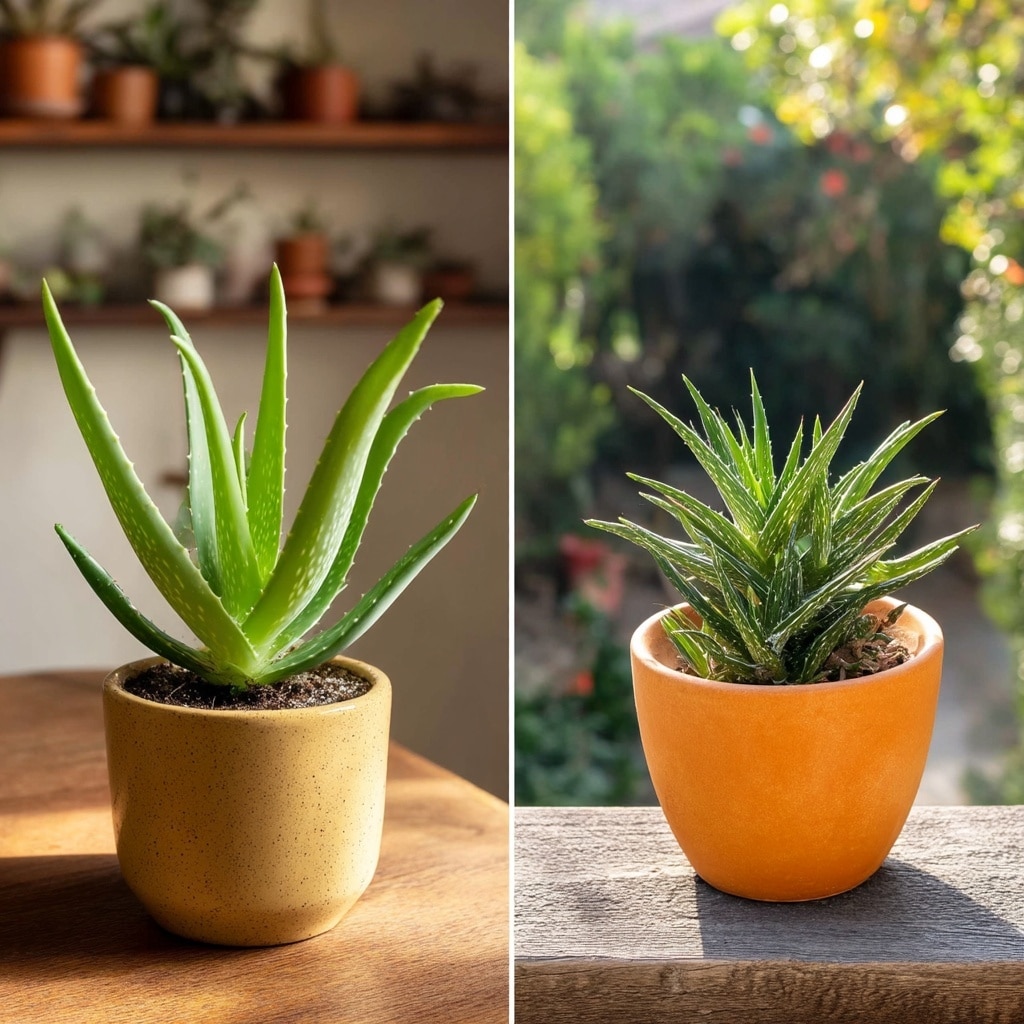
The aloe vera plant is highly adaptable, and whether you grow it in a container or directly in the garden depends on your environment and lifestyle. Both methods have their advantages, so here’s how to decide what’s best for your situation.
Container Growing: Great for Flexibility
Growing aloe vera in a pot gives you full control over light, temperature, and soil — making it ideal for indoor gardeners or those in colder climates.
Benefits:
- Easy to move indoors during winter
- Great for apartment dwellers or small patios
- Allows for better control over soil drainage
- Perfect for propagation and managing pups
Tips for Success:
- Use a terracotta pot with drainage holes
- Keep in bright, indirect light
- Rotate monthly to prevent leaning
- Water only when soil is fully dry
Outdoor Planting: Best for Warm, Dry Climates
If you live in USDA zones 9–11, your aloe vera plant can thrive outdoors all year long in a garden bed or rock garden.
Benefits:
- More space for mature aloe plants to spread
- Natural sunlight encourages better growth (and possibly blooms)
- Low-maintenance in the right climate
- Blends beautifully into xeriscaping or desert gardens
Tips for Success:
- Choose a sunny, well-drained location
- Protect from frost with covers during cold snaps
- Avoid low-lying spots where water collects
- Space plants to prevent overcrowding
Types of Aloe Vera and Look-Alike Species
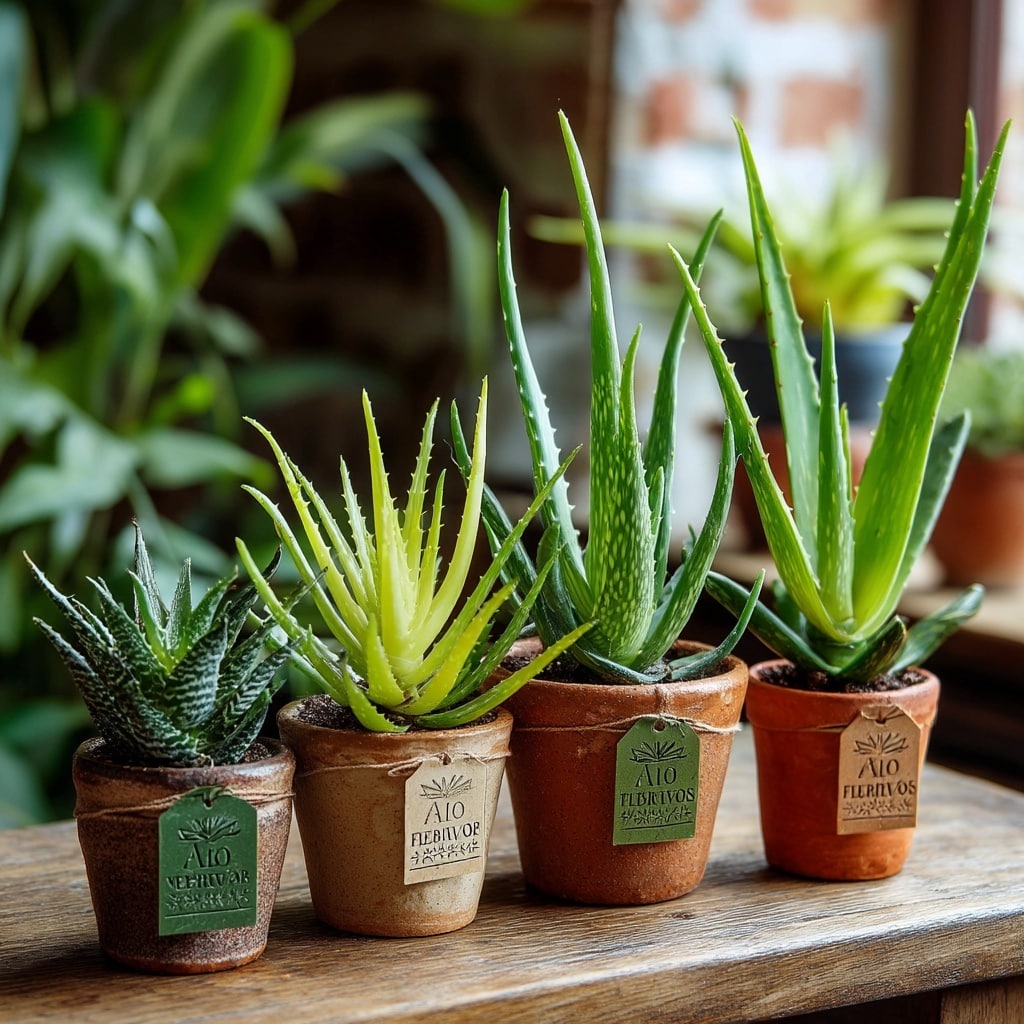
While the true aloe vera plant refers specifically to Aloe barbadensis miller, the genus Aloe includes over 300 species—many of which share similar healing properties and appearances. Here’s a guide to common types you may encounter and how they compare.
True Aloe Vera (Aloe barbadensis miller)
- Recognized by thick, fleshy green or gray-green leaves
- Grows in a star-like rosette shape
- Leaf margins have soft, white teeth
- Gel inside leaves is clear and cooling
- Used medicinally for skin care, digestion, and minor burns
This is the species most commonly labeled and sold as “aloe vera.”
Common Look-Alike Aloe Species
These species are often confused with aloe vera but are distinct in size, shape, and use.
Aloe arborescens (Torch Aloe)
- Grows taller, shrub-like with narrow, curved leaves
- Bright red-orange flower spikes
- Used in traditional remedies like aloe vera
- More cold-hardy than true aloe vera
Aloe ferox (Cape Aloe)
- Larger, more robust with spiny leaves
- Bitter-tasting sap used in laxatives
- Common in commercial herbal products
Aloe chinensis
- Small, rosette-forming plant with spotted leaves
- Native to Baja California
- Used in Native American medicine for wounds and rashes
Aloe maculata (Soap Aloe)
- Broad, flat leaves with white spots
- Orange flowers on a tall spike
- Sap produces a soapy foam, hence the name
Aloe brevifolia (Short-leaved Aloe)
- Compact and highly decorative
- Triangular leaves with firm teeth
- Gel has soothing properties, but plant is mostly ornamental
Common Aloe Vera Pests and Problems (And How to Fix Them)
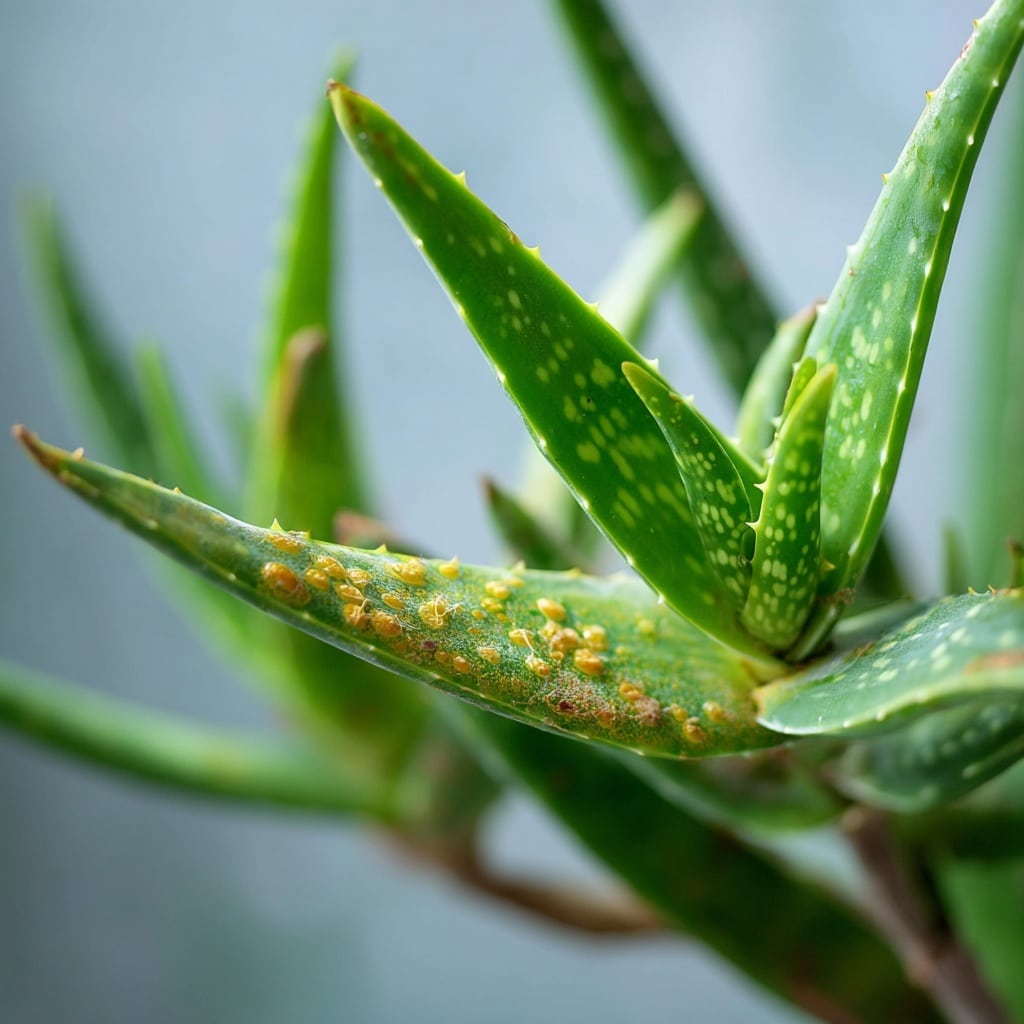
The aloe vera plant is generally tough and low-maintenance, but like any plant, it can face a few issues—especially if overwatered or stressed. Here’s how to identify and treat the most common pests and diseases.
1. Root Rot
Cause: Overwatering or poor drainage
Symptoms: Black, mushy roots; yellowing, soft leaves; rotten smell
Fix:
- Remove plant from soil
- Trim off affected roots with sterile scissors
- Let roots dry for 1–2 days
- Repot in fresh, fast-draining soil
- Water only when soil is completely dry
2. Mealybugs
Cause: Sap-sucking insects that hide in leaf crevices
Symptoms: Cotton-like white clusters on leaves or stems
Fix:
- Dab pests with rubbing alcohol on a cotton swab
- Spray with insecticidal soap weekly until gone
- Isolate infected plants to prevent spread
3. Aphids
Cause: Soft-bodied insects feeding on sap
Symptoms: Sticky residue, curling leaves, yellow spots
Fix:
- Rinse plant with a strong stream of water
- Spray neem oil or insecticidal soap
- Encourage ladybugs if growing outdoors
4. Spider Mites
Cause: Dry indoor air and lack of airflow
Symptoms: Fine webbing, speckled or discolored leaves
Fix:
- Increase humidity slightly
- Wipe leaves with a damp cloth
- Use neem oil or miticide if infestation persists
5. Fungal Leaf Spot or Soft Rot
Cause: High humidity or stagnant moisture on leaves
Symptoms: Dark or mushy spots on leaf surface
Fix:
- Prune off affected leaves
- Improve air circulation
- Avoid getting water on leaves when watering
General Prevention Tips:
- Use well-draining soil and pots with drainage holes
- Avoid overhead watering
- Don’t overcrowd plants — good airflow is essential
- Quarantine new plants before placing near others
- Monitor closely during seasonal changes
Conclusion
The aloe vera plant is one of the easiest and most rewarding plants you can grow. With just the right light, occasional watering, and well-draining soil, your aloe can thrive for years—whether indoors on a sunny windowsill or outside in a warm garden bed. Beyond its low-maintenance charm, aloe brings a host of health benefits, from soothing skin and healing cuts to supporting digestion and oral care.
Whether you’re using the gel for skincare, propagating new pups, or simply enjoying its beauty, the aloe vera plant is a true garden gem. Just remember: dry soil, bright light, and gentle hands go a long way.