
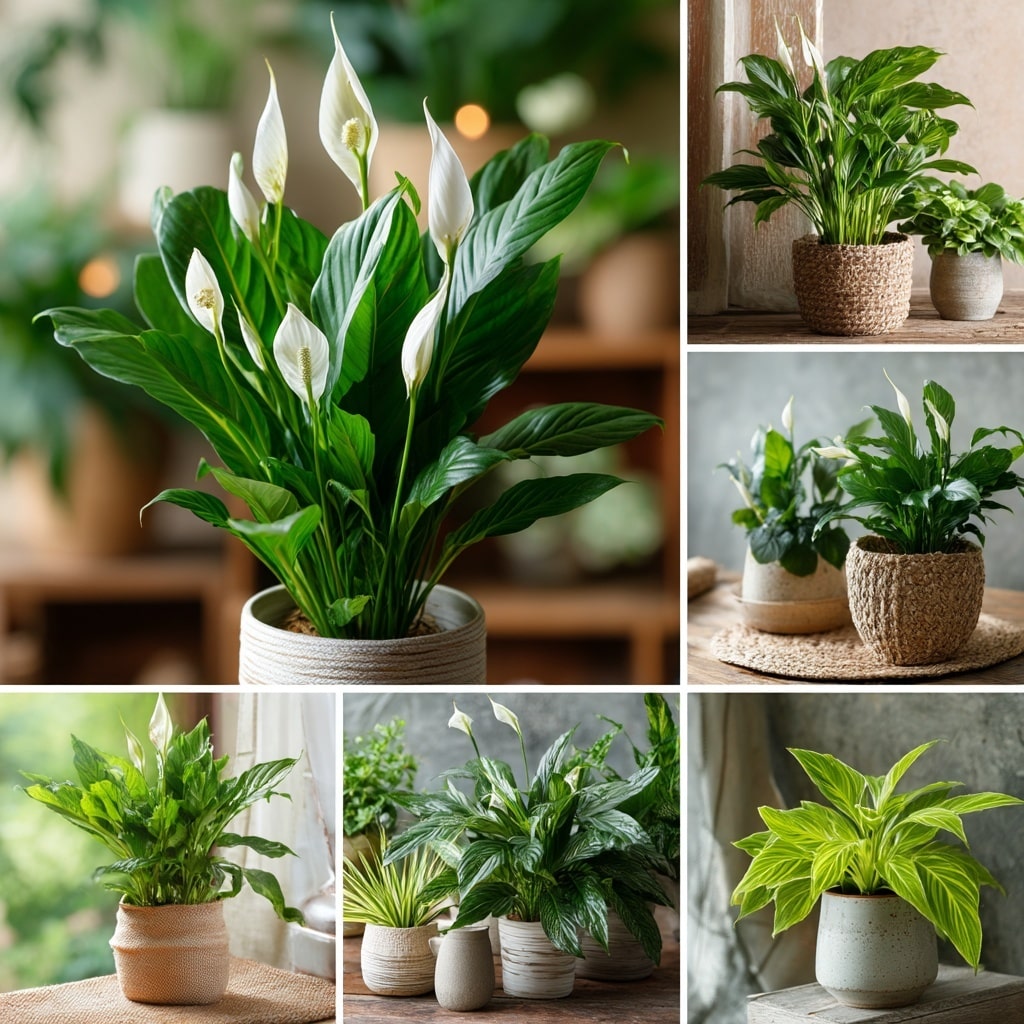
The peace lily is a plant beloved for its elegance, resilience, and low-maintenance nature—making it one of the most popular choices for indoor greenery. Known for its deep green leaves and signature white blooms, this tropical plant brings life to homes and offices with minimal fuss. Whether you’re a seasoned gardener or just bringing your first plant indoors, peace lilies offer beauty and air-purifying benefits in one graceful package. Native to the shaded forest floors of Central and South America, they thrive in similar conditions inside your home, provided with the right care.
Table of Contents
Quick Facts About Peace Lilies

Before getting into the day-to-day care of this stunning plant, here are a few quick facts to help you understand its basic needs and growth habits:
- Botanical Name: Spathiphyllum
- Height: Typically 1 to 6 feet (30 cm to 1.8 m)
- Spread: 1 to 5 feet (30 cm to 1.5 m)
- Light Needs: Partial to deep shade
- Soil Type: Moist, well-draining, rich potting mix
- USDA Hardiness Zones: Best suited for Zones 11–12
- Best Time to Plant Indoors: Any time of the year
Peace lilies are not just any indoor plant—they adapt well to interior spaces, often flourishing in low light. They’re known for their broad, shiny leaves and occasional white blooms that resemble a hooded flag, adding visual interest year-round. Whether placed on a shelf, windowsill, or floor, this plant requires very little to make a big impression.
How to Grow a Peace Lily
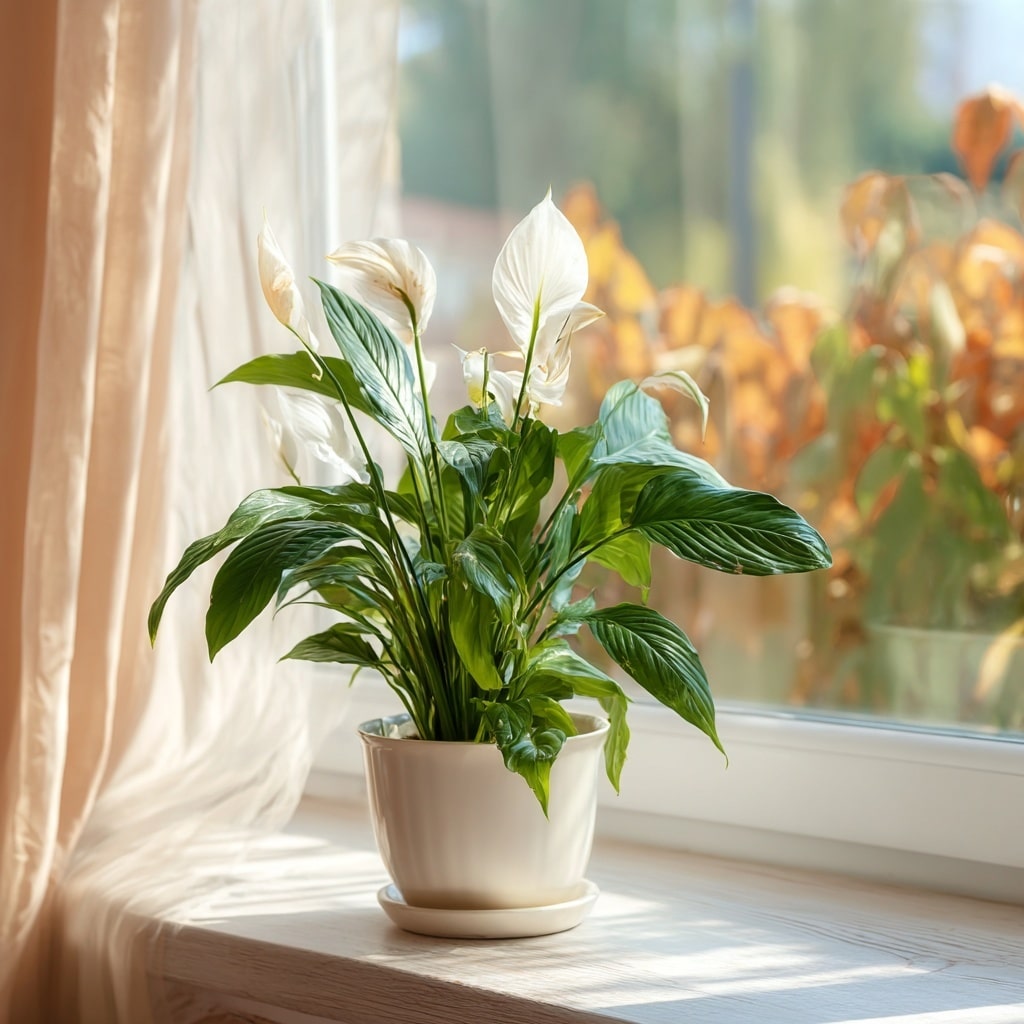
Growing a peace lily indoors is surprisingly easy, making it a favorite for anyone looking to add a low-effort, high-impact plant to their home. With just a bit of attention to light, water, and repotting needs, this tropical beauty will reward you with lush leaves and elegant white blooms.
Peace Lily Light Requirements
In its native rainforest environment, this plant grows under the canopy where sunlight is filtered through the trees. That means the peace lily is well adapted to indoor conditions with indirect light. The best spot for your plant is near a bright window with filtered sunlight—never in direct sun, which can scorch its leaves.
Peace lilies can tolerate low light, but they may not flower as often in dim conditions. In brighter, indirect light, you’re more likely to see those iconic white spathes that resemble flowers. If you’re mainly keeping your plant for its foliage, lower light is fine, but for frequent blooming, brighter conditions are ideal.
Watering Peace Lily Plants
A peace lily prefers soil that stays slightly moist but never soggy. Overwatering is a common mistake with this plant and can lead to root rot. It’s best to check the soil regularly—stick your finger into the top inch, and only water when it feels dry. If it’s still damp, give it more time.
This plant is surprisingly forgiving and can handle occasional neglect. Some gardeners even wait for it to droop slightly before watering, which doesn’t harm the plant and can help avoid overwatering.
Always ensure the pot has drainage holes, and never let the plant sit in standing water. Consistent moisture with proper drainage is the key to a healthy, thriving peace lily.
Peace Lily Repotting Tips
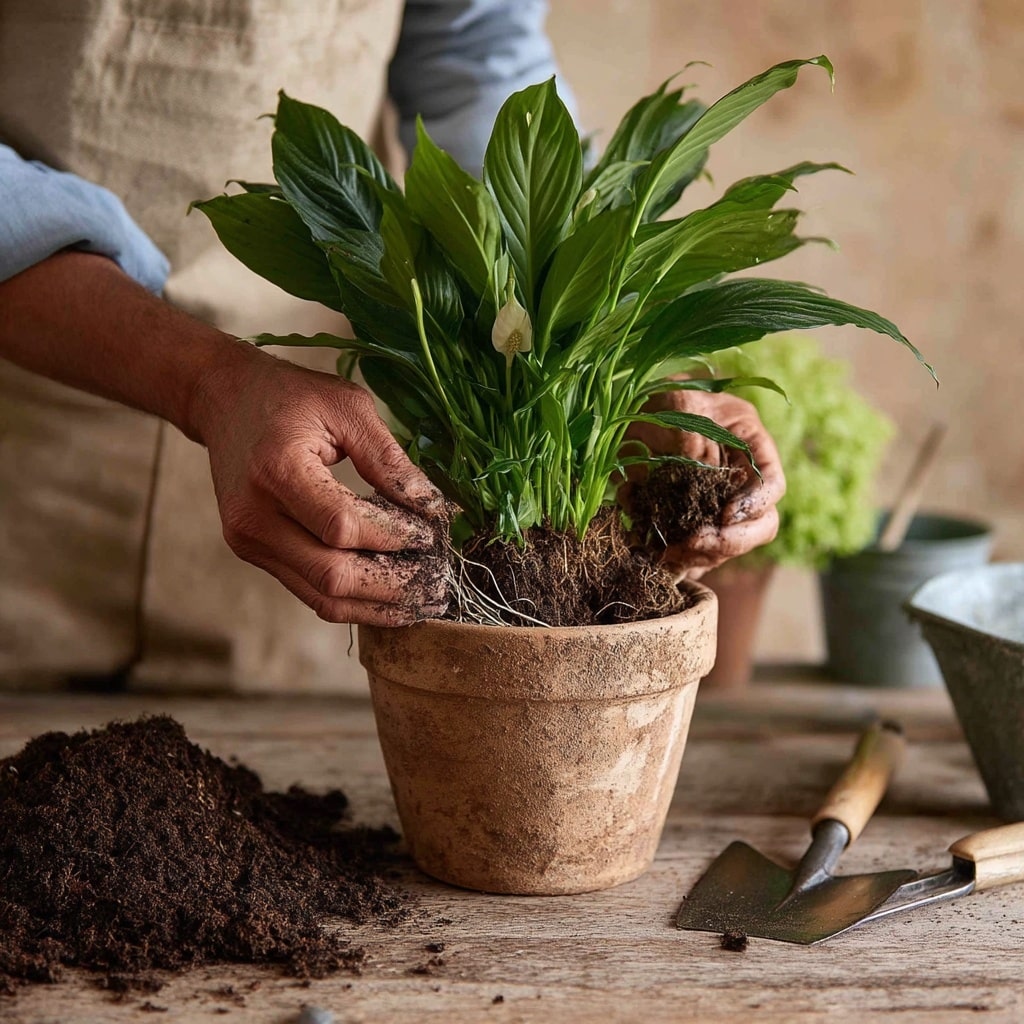
One of the many reasons a peace lily is such a great houseplant is its tolerance for being root bound. In fact, this plant often performs best when its roots are a bit snug in the pot. But over time, even the most relaxed plant needs a little more room to grow.
Look for these signs that it’s time to repot:
- Roots poking through the drainage holes
- Soil drying out within a few days of watering
- Leaves becoming crowded or slightly deformed
If you notice any of these, it’s probably time to move your plant into a slightly larger container—ideally one that’s about 2 inches wider than the current pot.
The best time to repot is late winter or early spring, just before the plant enters its active growing season. Be gentle with the root system, and refresh the potting mix to support healthy new growth. A freshly repotted plant might pause flowering for a bit, but it will bounce back stronger than ever.
How to Propagate Peace Lilies
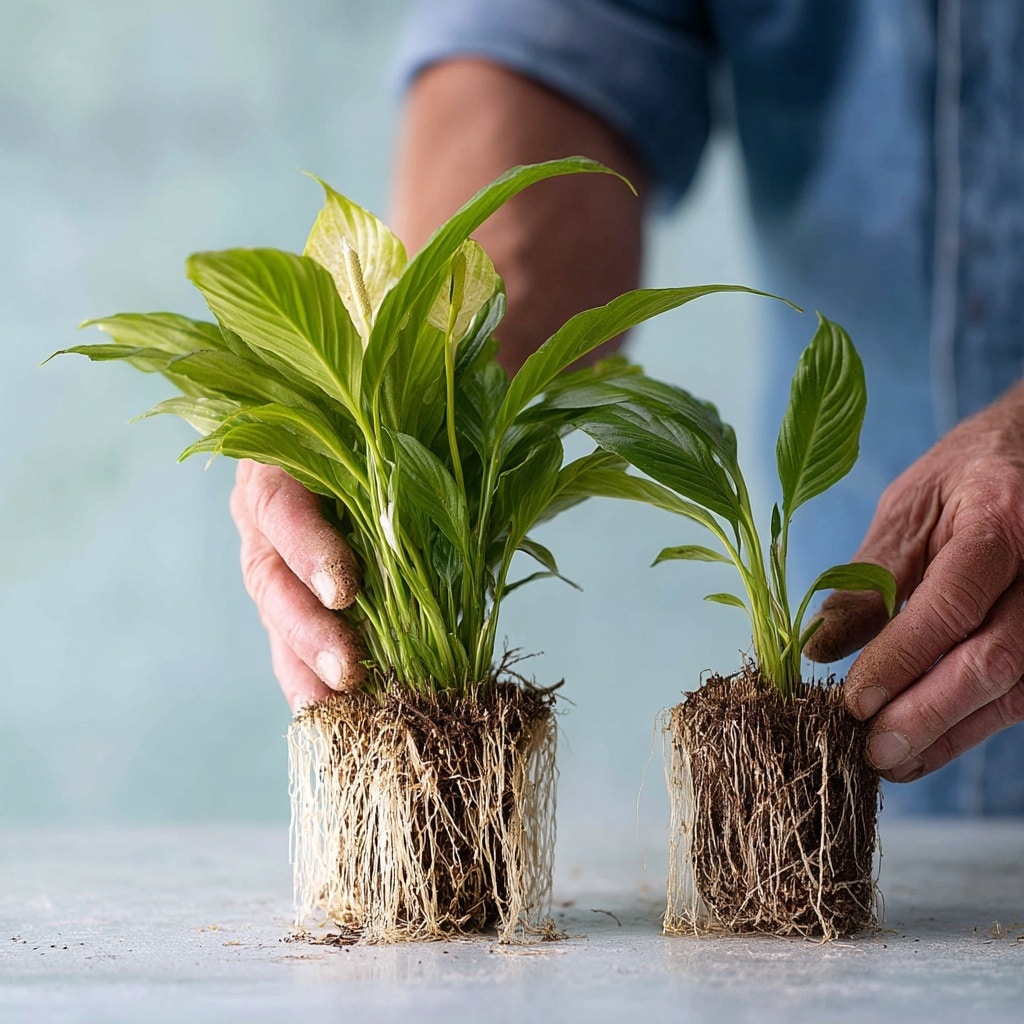
If your peace lily is thriving and you’re ready to grow more, propagation is simple—and doesn’t require seeds or complicated steps. The easiest way to propagate this plant is by division, which involves separating the root system into smaller, independent parts.
Here’s how to do it:
- Remove the entire plant from its pot.
- Look for natural crowns or clumps—these are the sections where leaves and roots emerge together.
- Gently pull apart the crowns. If they resist, use a clean, sharp knife to divide the rootball.
- Replant each division in its own pot filled with fresh, well-draining soil.
It’s best to propagate during spring, when the plant is naturally entering its growing season. After division, water each new plant thoroughly and place it in a location with indirect light. With the right care, each division will establish quickly and grow into a healthy, independent plant.
Soil & Fertilizer for Peace Lily Plants
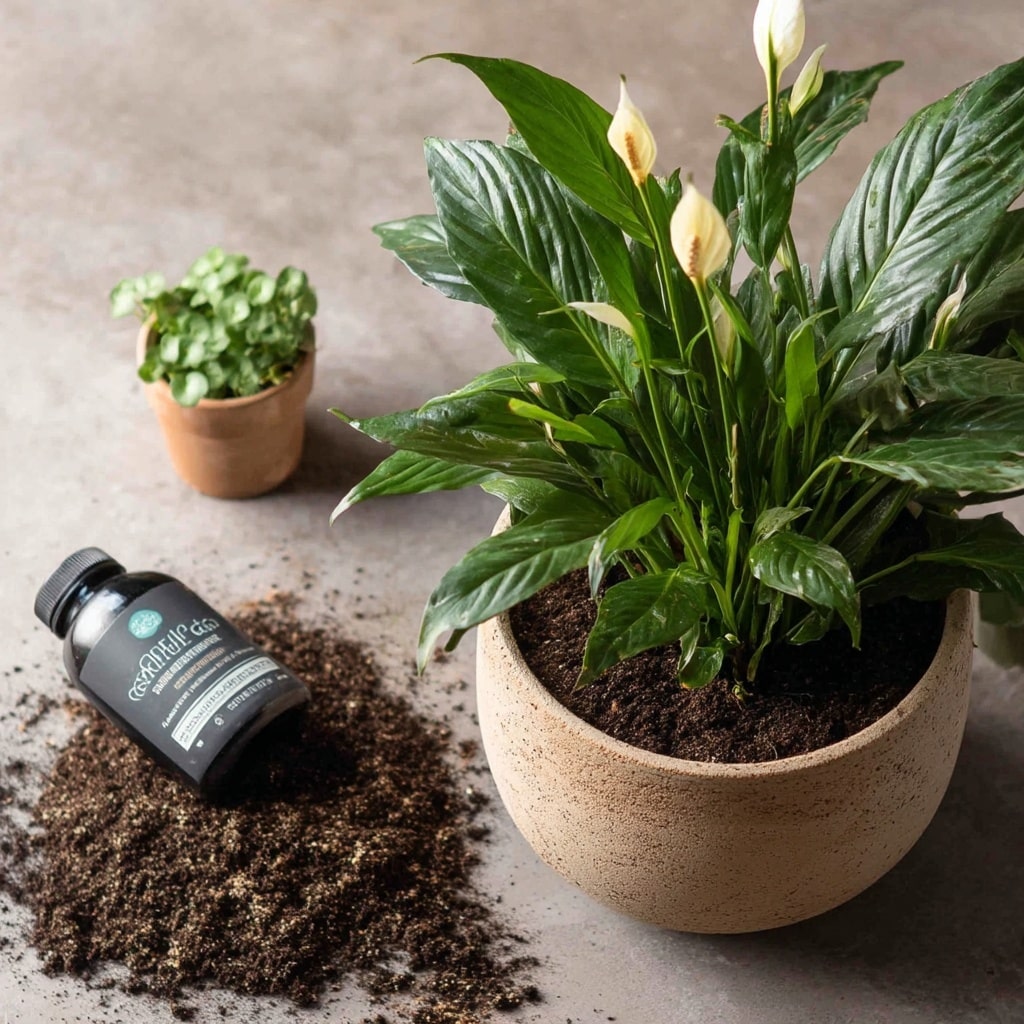
The right soil mix plays a big role in the overall health of your peace lily. This plant prefers a rich, well-draining potting mix—something that holds moisture without becoming soggy. A blend made for tropical houseplants or one with peat moss, perlite, and compost works well.
Best Soil Tips:
- Use a high-quality potting mix (avoid garden soil)
- Add perlite or bark for drainage
- Keep soil moist but never waterlogged
Fertilizer Needs:
Peace lilies aren’t heavy feeders. In fact, too much fertilizer can damage the plant and cause brown leaf tips. Use a balanced houseplant fertilizer every 6 to 8 weeks during the growing season (spring through early fall). Always dilute the fertilizer to ¼ strength to avoid chemical burn.
Avoid fertilizing in winter, when the plant’s growth naturally slows down. If you notice leaf tip browning or yellowing after feeding, ease off for a while—this plant will thrive with less, not more.
Problems, Pests & Diseases

Peace lilies are generally easygoing, but like any houseplant, they’re not immune to problems. The good news? Most issues are preventable with proper care.
Common Problems:
- Root Rot: The most frequent issue with this plant comes from overwatering. Ensure your pot has good drainage and avoid letting it sit in standing water.
- Brown Leaf Tips: Usually caused by overfertilization or low humidity. Use diluted fertilizer and consider misting the plant in dry environments.
- Drooping Leaves: Often a sign that the plant is either too dry or too wet. Feel the soil to determine which it is before adjusting your watering routine.
Pests to Watch For:
- Mealybugs and scale insects may occasionally appear, especially if the plant is stressed. Treat infestations by wiping the leaves with a damp cloth or using insecticidal soap.
- Dust buildup on leaves can block sunlight. Gently wipe the leaves with a soft, damp cloth once a month—skip commercial leaf shine products, which can clog the plant’s pores.
For a thorough clean, place the plant in a sink or shower and let lukewarm water run over the leaves briefly.
Peace Lily Varieties
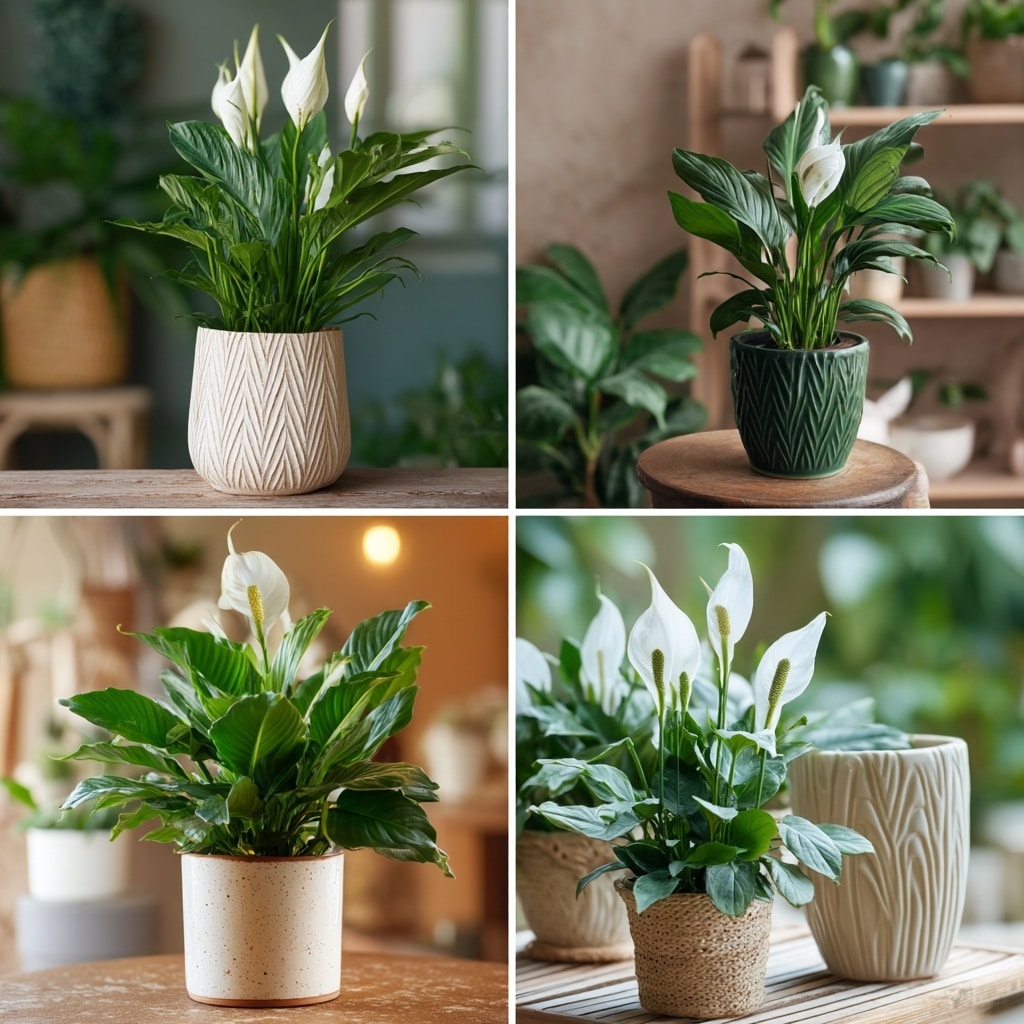
There’s more than one type of peace lily to grow indoors. While all share the signature white blooms and glossy leaves, peace lily varieties differ in size, leaf texture, and bloom production. Choosing the right plant depends on how much space you have and the look you’re going for.
Here are some popular options:
- Spathiphyllum wallisii
The classic peace lily. Compact in size with lance-shaped leaves and frequent blooms. A great all-around houseplant. - ‘Sensation’
The largest peace lily variety. This dramatic plant can grow up to 6 feet tall with bold, deeply veined leaves. - ‘Mauna Loa Supreme’
A medium-sized variety, usually reaching 2 to 3 feet in height. Known for its large white blooms. - ‘Allison’
A compact variety, growing up to 2 feet tall. It produces lots of flowers and fits well in small indoor spaces. - ‘Jetty’
Similar in size to ‘Allison’, this plant stands out with extra glossy leaves and long-lasting white spathes. - ‘Little Angel’
The go-to for tight spaces. Topping out at just 12 inches, it’s perfect for shelves, desks, or small apartments. - ‘Jet Diamond’
A newer and slightly rarer variety, this compact plant features dark green foliage with striking silvery variegation.
No matter the variety, every peace lily adds a sense of calm and lush greenery to your home—making it a rewarding plant to grow.
Conclusion
The peace lily is more than just a beautiful houseplant—it’s a hardy, low-maintenance companion that fits perfectly into any indoor space. With the right balance of light, moisture, and care, this plant will reward you with rich green foliage and elegant white blooms for years to come. Whether you’re nurturing your first houseplant or expanding your indoor jungle, the peace lily offers beauty, air-purifying qualities, and effortless charm.