
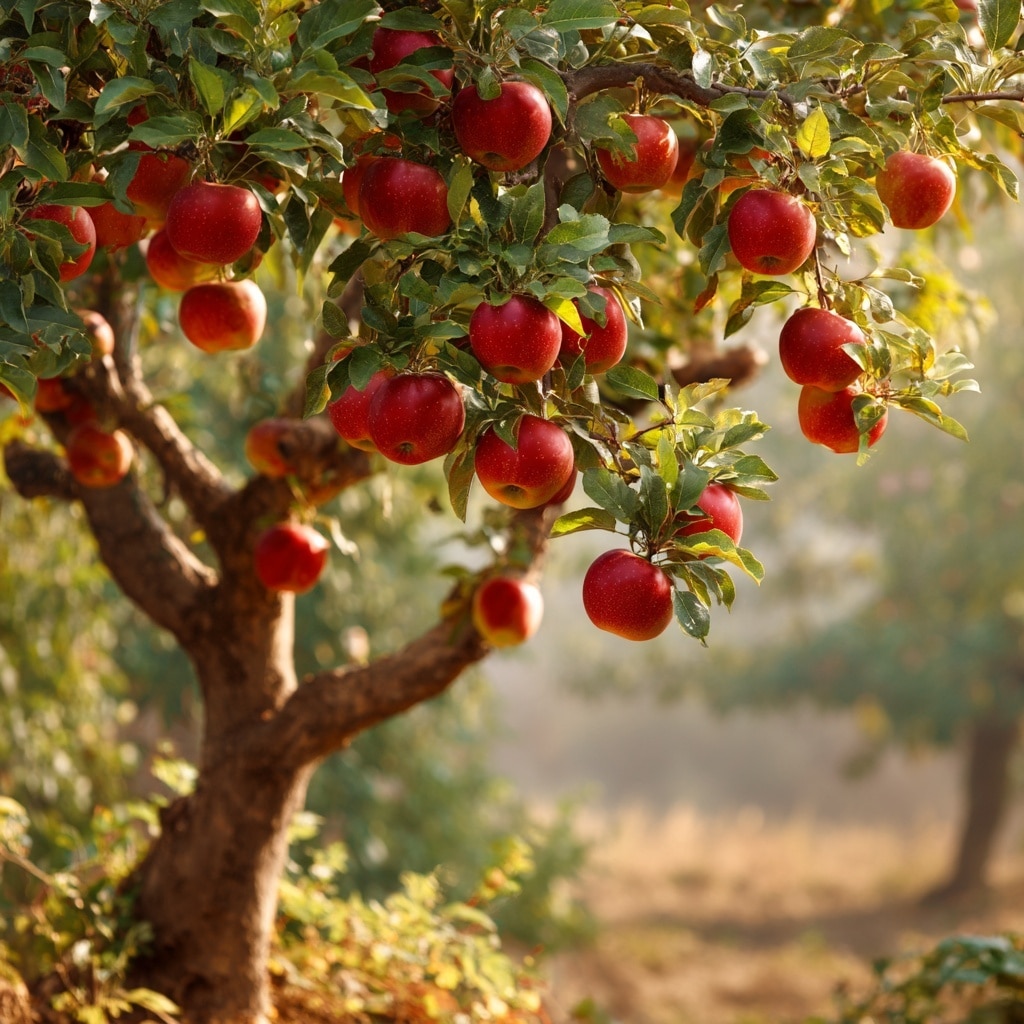
Fruit trees can feel intimidating for first-time gardeners—but they don’t have to be. With the right choice, even beginners can enjoy the satisfaction of harvesting sweet, homegrown fruit from their own backyard. The key is starting with varieties that are low-maintenance, resilient, and well-suited to your local climate. While it might be tempting to plant your favorite fruit right away, not all trees are beginner-friendly. Choosing the right one can make all the difference between frustration and a rewarding gardening experience. In this guide, we’ll cover five of the easiest fruit trees to grow for newcomers—each selected for its simplicity, toughness, and tasty rewards.
Table of Contents
What Makes a Fruit Tree Good for Beginners?

Before planting your first fruit tree, it’s important to understand what makes some varieties easier to grow than others. Not all fruit trees are created equal—especially when it comes to maintenance, climate adaptability, and resistance to common problems. Here are the three key qualities to look for when choosing a beginner-friendly fruit tree.
Low Maintenance
If you’re new to fruit tree care, your best option is a tree that doesn’t need daily attention. Some trees require frequent pruning, fertilizing, or precise watering schedules. Others are much more forgiving. Starting with a low-maintenance tree allows you to focus on learning the basics without becoming overwhelmed. Look for varieties that grow well with minimal intervention and don’t require constant monitoring.
Resistance to Disease and Pests
Fruit trees can be magnets for pests and diseases, which is why it’s smart to pick varieties that naturally resist common problems. While no tree is completely immune, some types are far hardier than others. As a beginner, dealing with pests or fungal issues can be frustrating and discouraging. Choosing a more resilient tree saves you time, energy, and potential heartache.
Adaptability to Your Climate
Not all fruit trees thrive in every region. A tropical fruit tree, for example, won’t survive harsh winters in northern zones. The best fruit trees for beginners are those that match your local growing conditions. Before buying, learn your USDA hardiness zone and check whether the tree you’re considering will tolerate your area’s temperature, rainfall, and seasonal patterns.
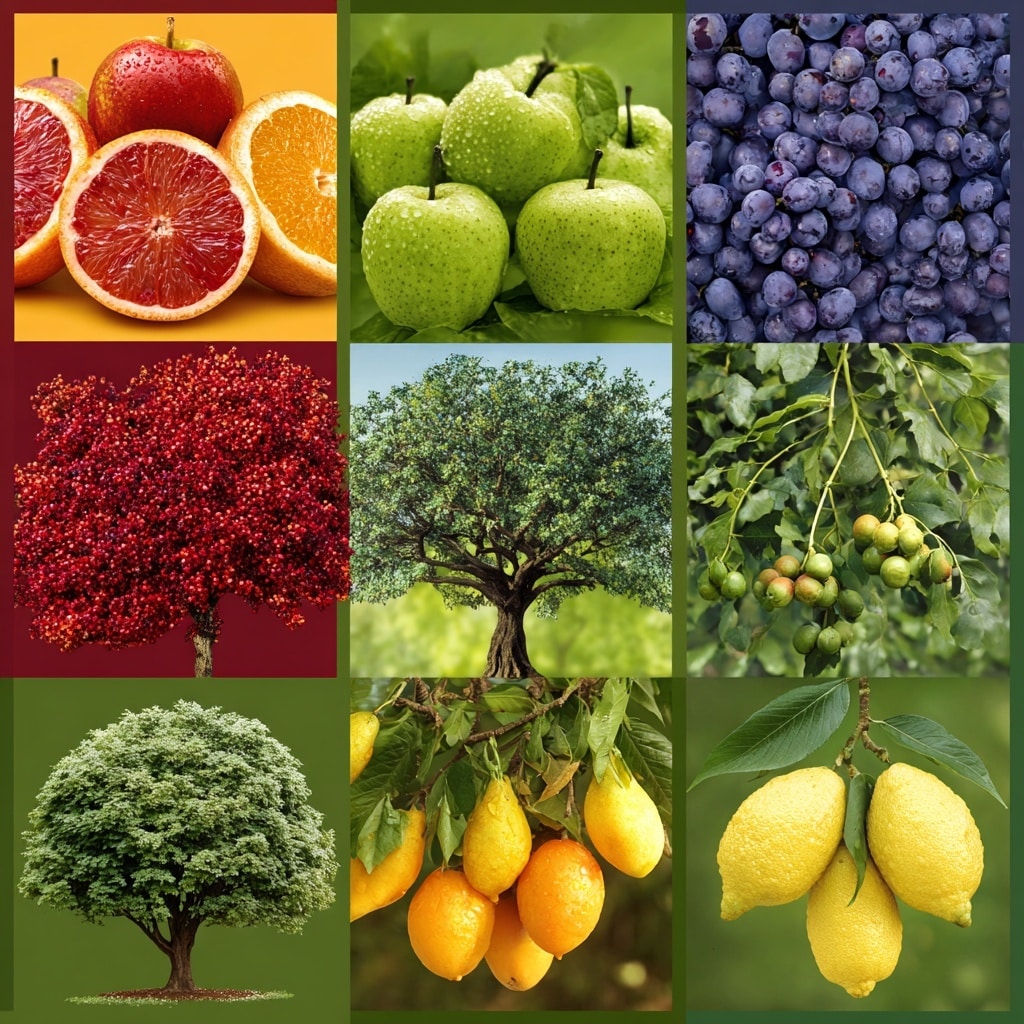
Top 5 Easy-To-Grow Fruit Trees for Beginners
1. Pear Trees
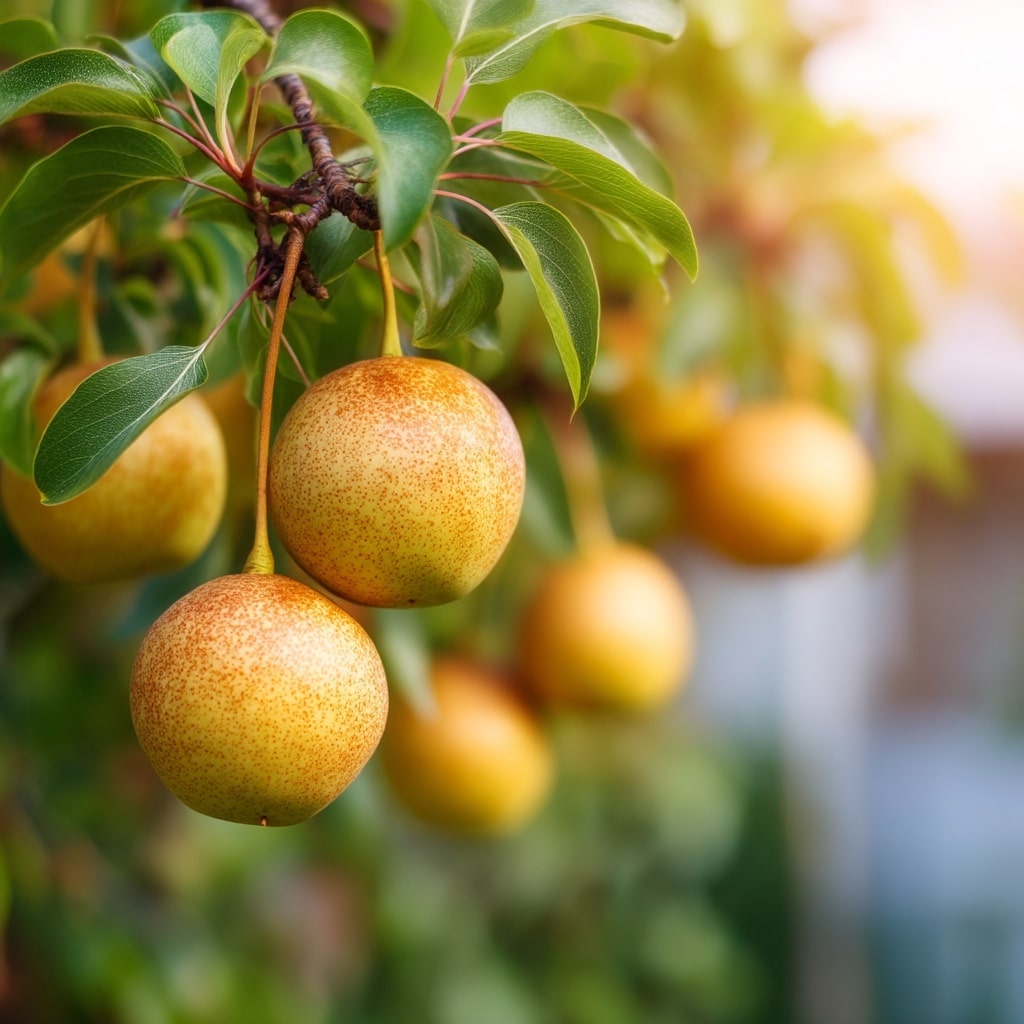
If you’re just starting out with fruit trees, pear trees are one of the best places to begin. They’re incredibly low-maintenance, especially the Asian pear varieties, which are known for their hardiness and high productivity. These trees are adaptable, forgiving, and don’t require a lot of fuss to produce a healthy crop.
Pear trees also tend to be more resistant to diseases than other fruit trees. While fire blight is a common issue, it’s relatively easy to manage with proper spacing and airflow. Many varieties are self-fertile, meaning you can enjoy fruit from just one tree without needing a second for pollination—an ideal setup for small yards or limited space.
2. Plum Trees
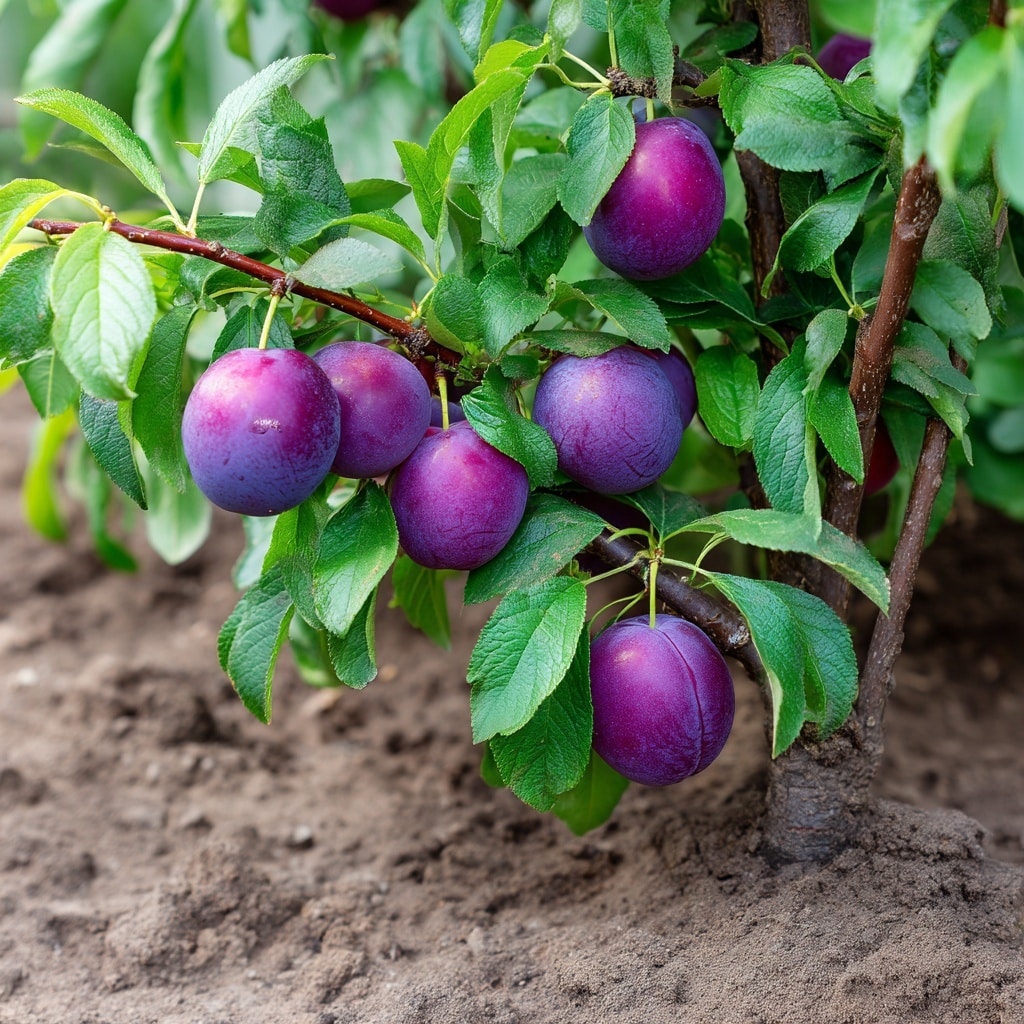
Plum trees are another excellent choice for beginners growing fruit trees at home. One of their biggest advantages is versatility—they can thrive in a wide range of climates, from mild to moderately cold regions. European varieties, in particular, are often self-fertile, which means you can get started with a single tree and still expect fruit. For colder or harsher conditions, American varieties are even hardier, although they typically require cross-pollination.
When planting plum trees, the most important consideration is soil drainage. These trees don’t tolerate soggy roots, so be sure to plant them in well-drained soil or raised beds if necessary. With the right setup, plum trees reward you with juicy fruit and minimal maintenance.
3. Cherry Trees
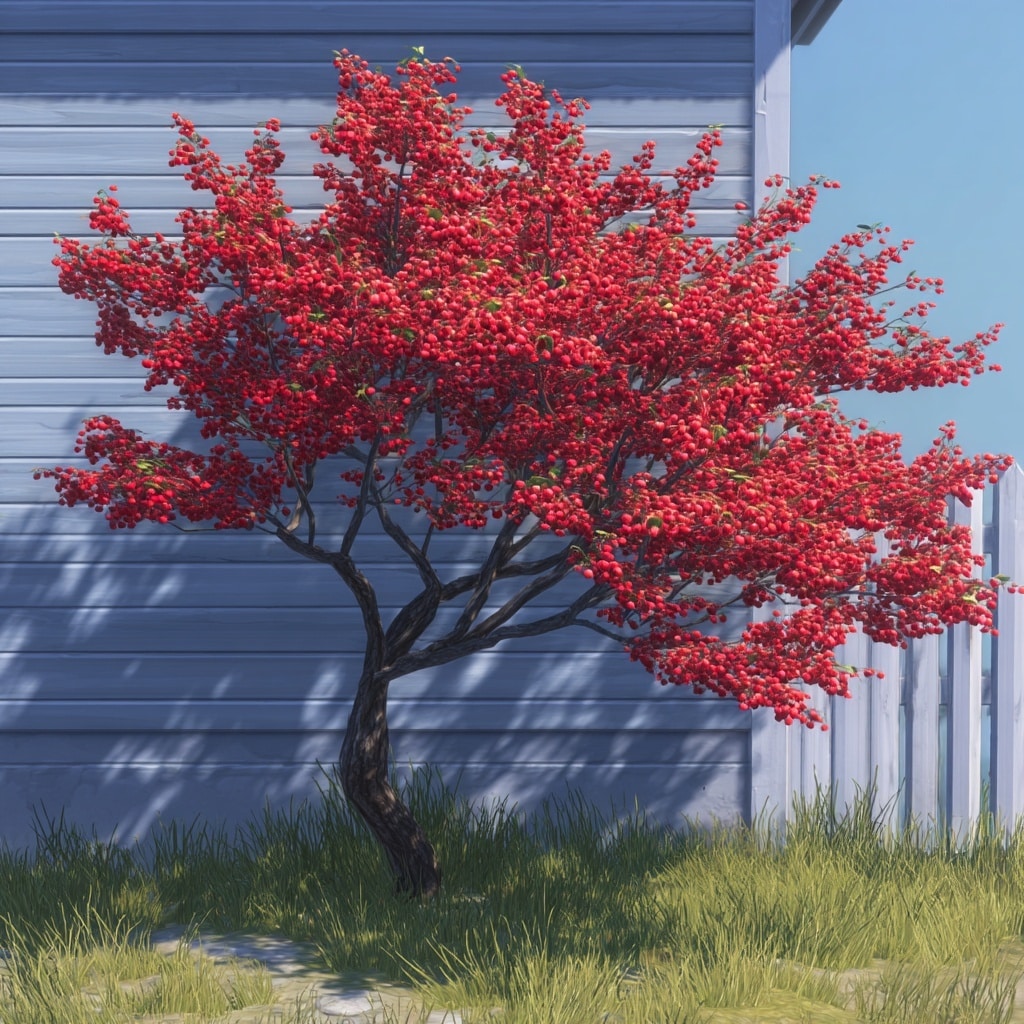
Cherry trees offer both beauty and bounty, making them a favorite among new fruit tree growers. They produce delicate spring blossoms followed by sweet or tart cherries, depending on the variety you choose. Sweet cherries are perfect for snacking, while sour cherries are ideal for baking and preserves.
Many cherry varieties are self-fertile, allowing beginners to plant just one tree and still enjoy a harvest. However, planting two compatible trees can significantly boost your yield. Cherry trees generally require well-drained soil and full sun. With proper care, they’re surprisingly easy to maintain and don’t demand the constant pruning or pest control that other fruit trees might.
4. Common Fig Trees
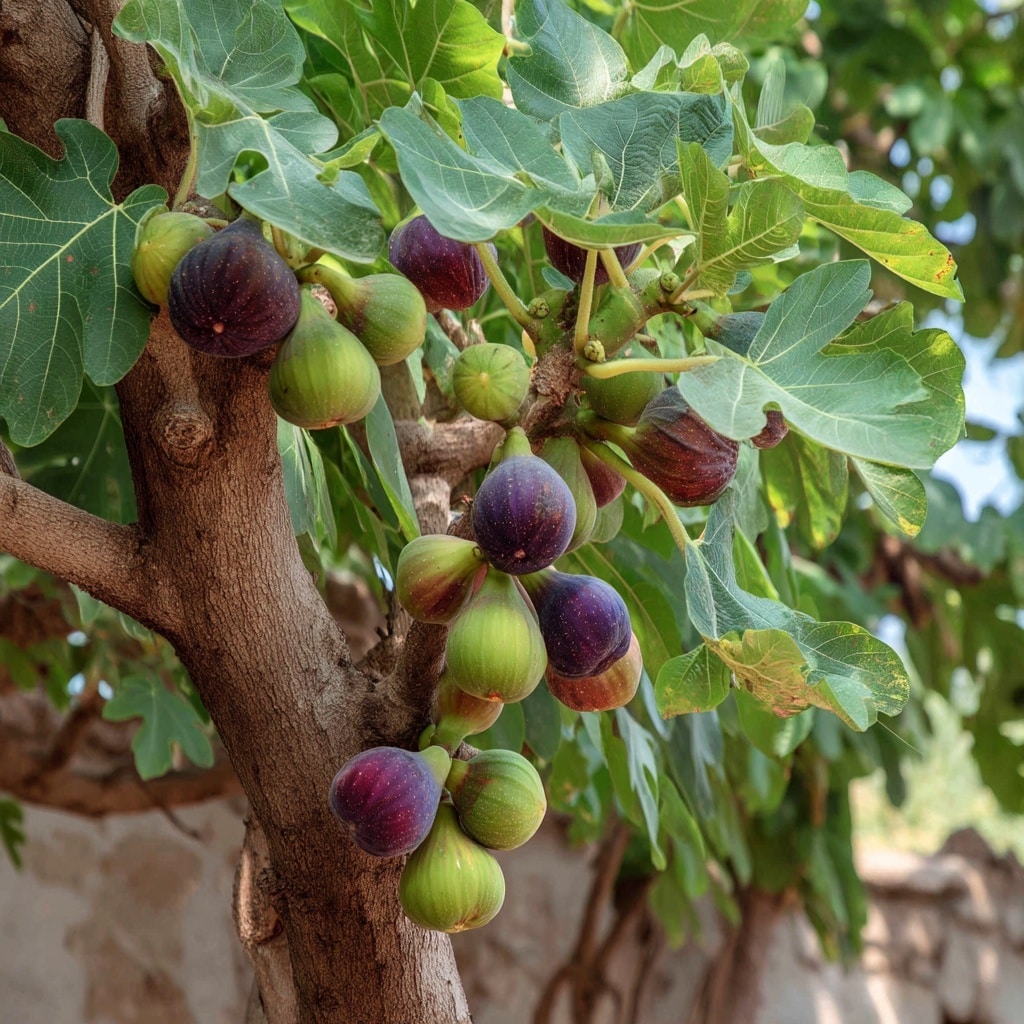
If you’re looking for a low-stress introduction to growing fruit trees, common fig trees are hard to beat. They’re naturally resistant to pests and diseases, which makes them a great choice for gardeners who prefer minimal chemical intervention. Figs also adapt well to various climates, including hot, dry regions where other fruit trees might struggle.
Another beginner-friendly trait is that most fig varieties are self-pollinating, so you only need one tree to get started. Even better, fig trees grow quickly, meaning you won’t have to wait years before enjoying fresh fruit. Just give them a sunny spot with well-drained soil, and you’ll be harvesting plump, sweet figs before you know it.
5. Apple Trees
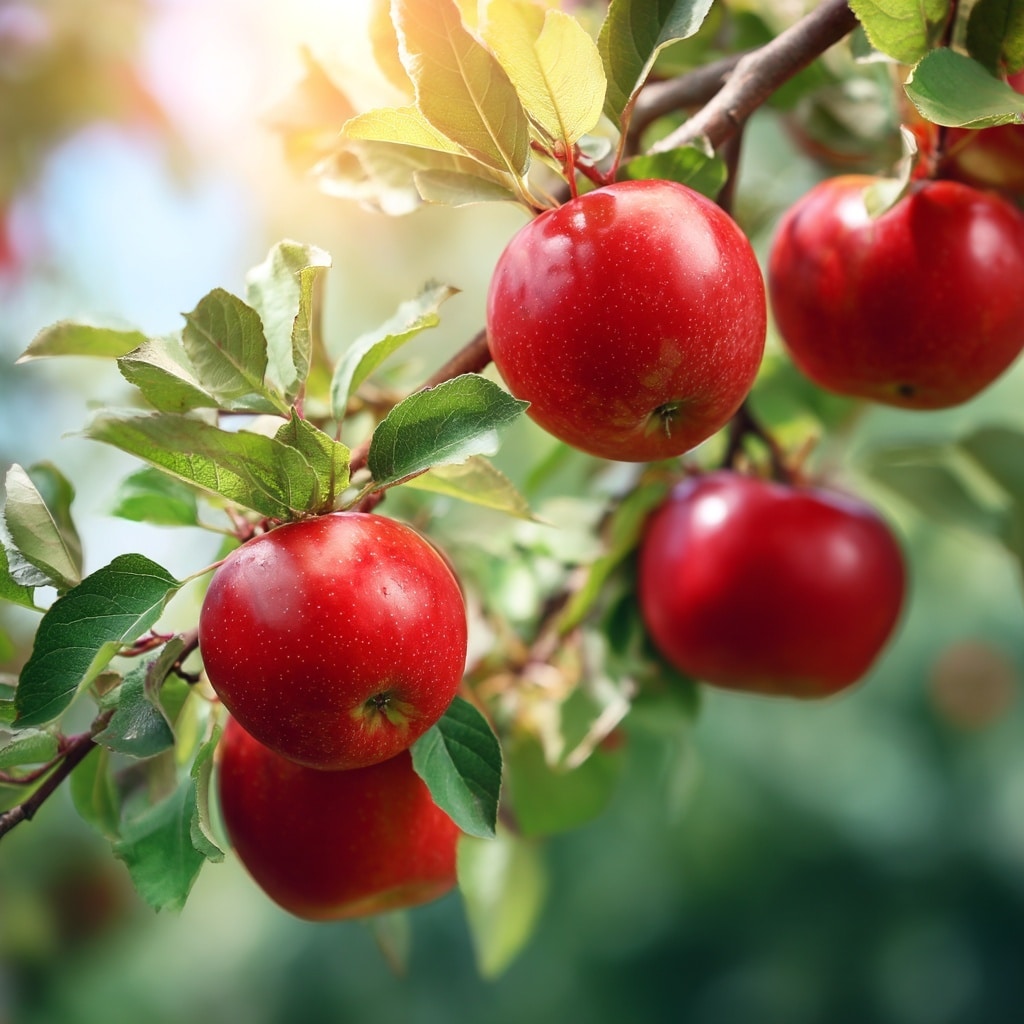
Apple trees are a classic choice for backyard orchards and a fantastic option for beginners. With hundreds of varieties available, you can easily find one that fits your climate, taste preference, and space. Some types—like Golden Delicious—are self-fertile, making them a convenient starting point. Others will require a second tree for cross-pollination, which can boost fruit production.
One of the biggest perks of apple trees is their shape. They tend to grow wide rather than tall, which makes pruning and harvesting more manageable. While apple trees can be prone to pests, choosing disease-resistant varieties and keeping up with basic care keeps things simple for first-timers. With just a bit of attention, you’ll be rewarded with crisp, flavorful apples season after season.
Conclusion
Starting your gardening journey with fruit trees doesn’t have to be overwhelming. By choosing varieties that are low-maintenance, climate-appropriate, and naturally resilient, you’ll set yourself up for a successful (and delicious) experience. Whether you go with a hardy pear, a fast-growing fig, or a classic apple, these beginner-friendly trees make it easy to enjoy fresh fruit right from your own yard. With a little patience and the right choice, your first fruit tree could be the start of a lifelong love for homegrown harvests.