
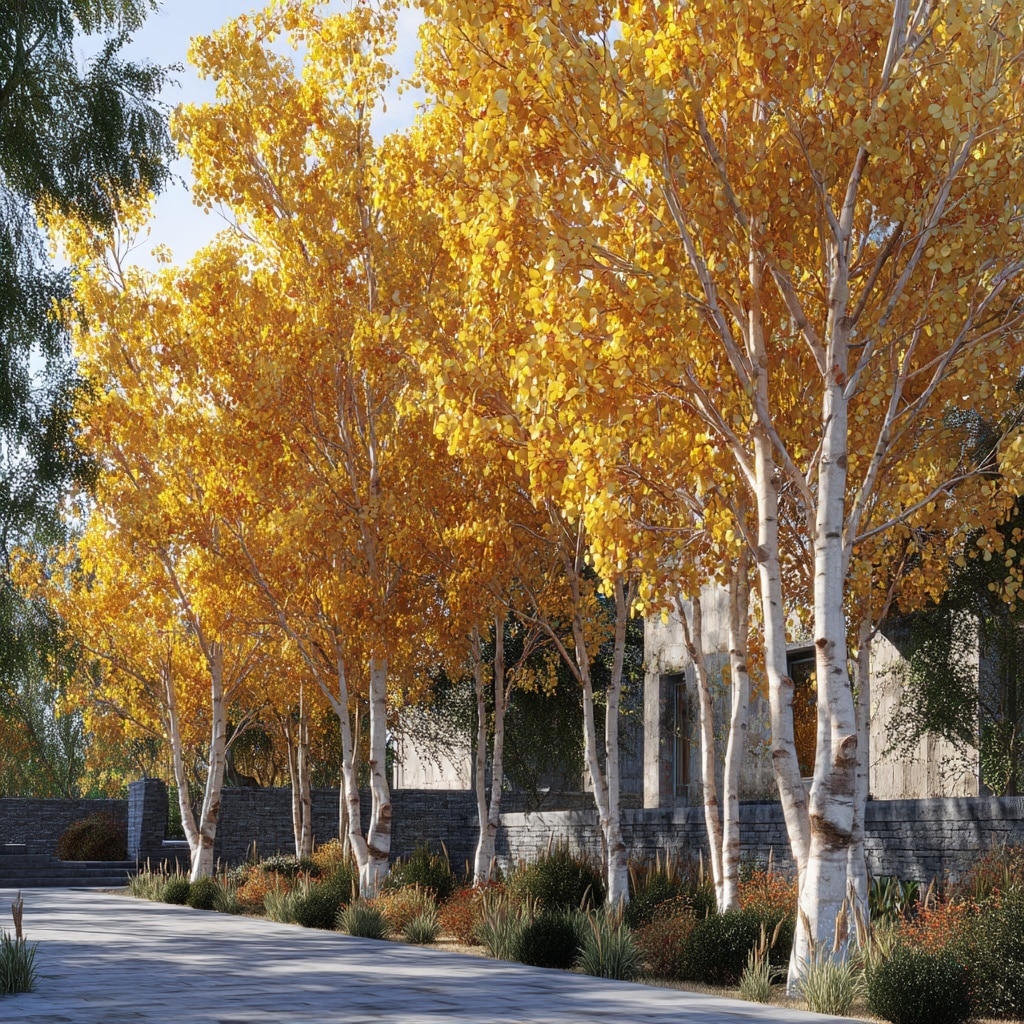
Aspen trees are beloved for their brilliant fall color, striking white bark, and the cool shade they provide in summer. But while they’re iconic across the Rocky Mountains, growing and maintaining healthy aspen trees in urban landscapes—especially in places like Denver—can be a challenge. These elegant trees are adapted to high elevations, moist, well-drained soils, and cool temperatures. When planted in city environments with compact clay soil and hotter weather, they often struggle with pests, diseases, and short lifespans.
In this guide, we’ll show you how to care for aspen trees in your yard by recreating their natural habitat, recognizing early signs of disease, and following expert tips to keep them thriving year-round.
Table of Contents
🌿 How to Keep Aspen Trees Healthy in Urban Areas

Aspen trees naturally grow in high-altitude mountain regions, where the air is cooler and the soil is light, moist, and well-drained. To help aspen trees adapt to city life, it’s important to mimic those native conditions as closely as possible—especially in areas like Denver, where heavy clay soil and dry heat can quickly weaken these trees.
Start by planting aspen trees in raised berms filled with sandy loam soil. This encourages proper drainage and keeps the roots above compacted or poorly draining ground. Adding mulch helps maintain moisture levels, while connecting the berm to your irrigation system can ensure consistent watering. Be sure to place berms away from heavy foot traffic, as compacted soil stresses roots and can shorten the tree’s life.
Even with proper care, aspen trees in urban settings typically live around 20 to 25 years—much shorter than their mountain counterparts. But with thoughtful planting and ongoing maintenance, you can help them reach their full potential.
🌱 Understanding Aspen Tree Shoots (Clones) and Why They Appear
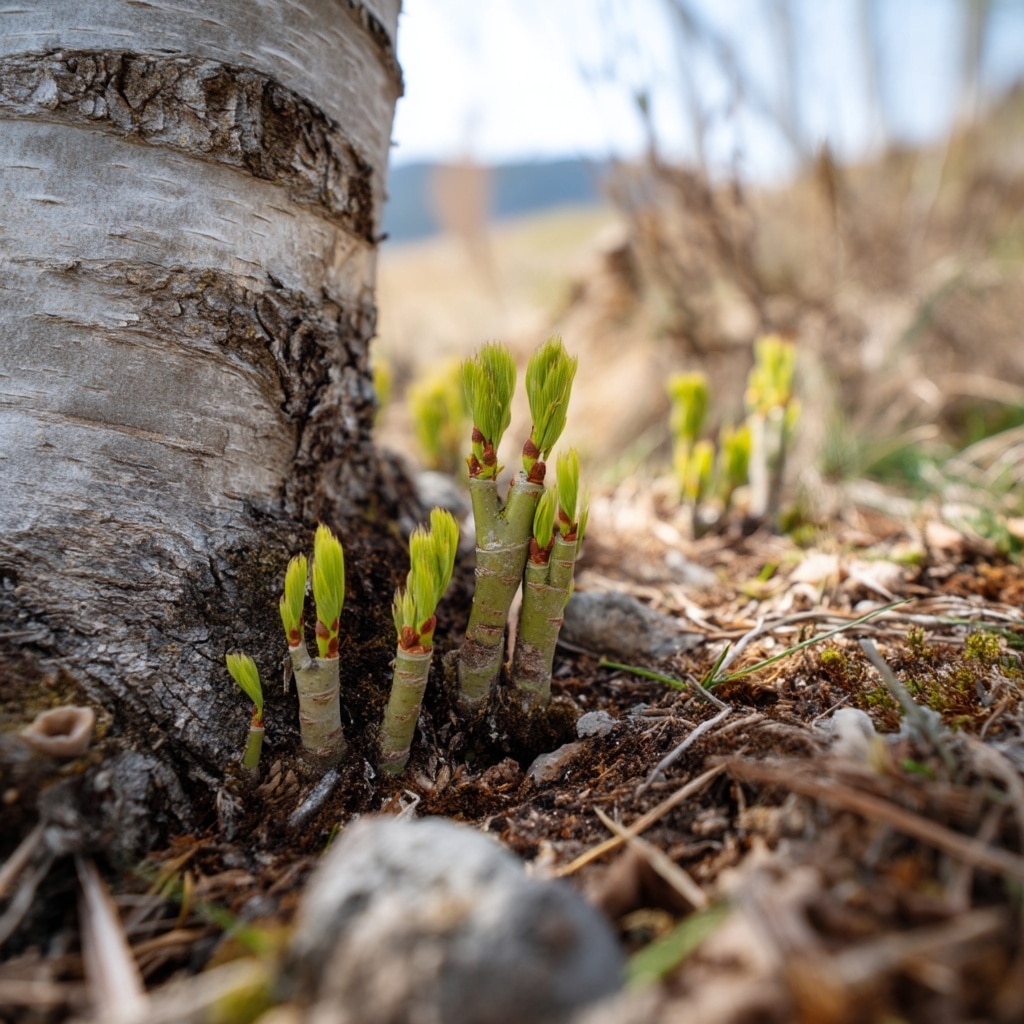
If you’ve ever noticed small saplings popping up around the base of your aspen trees, you’re not alone. These shoots, also called suckers, are one of the most fascinating traits of aspens. Rather than growing from seeds, they often sprout directly from the root system of a parent tree, making them genetic clones.
While this natural process is how aspen trees form large groves in the wild, it can be frustrating in residential yards. If left unchecked, these shoots can quickly spread across your lawn or flower beds. Regular mowing is the best way to manage them. Avoid using herbicides—because the shoots are still connected to the parent tree, chemicals can cause serious damage or even kill the main tree.
Fun fact: the largest known aspen grove, named Pando, covers over 100 acres in Utah and is estimated to be more than 80,000 years old. It’s considered one of the oldest and largest living organisms on Earth.
🏔️ Why Aspen Tree Bark Is So Unique (and Helpful)
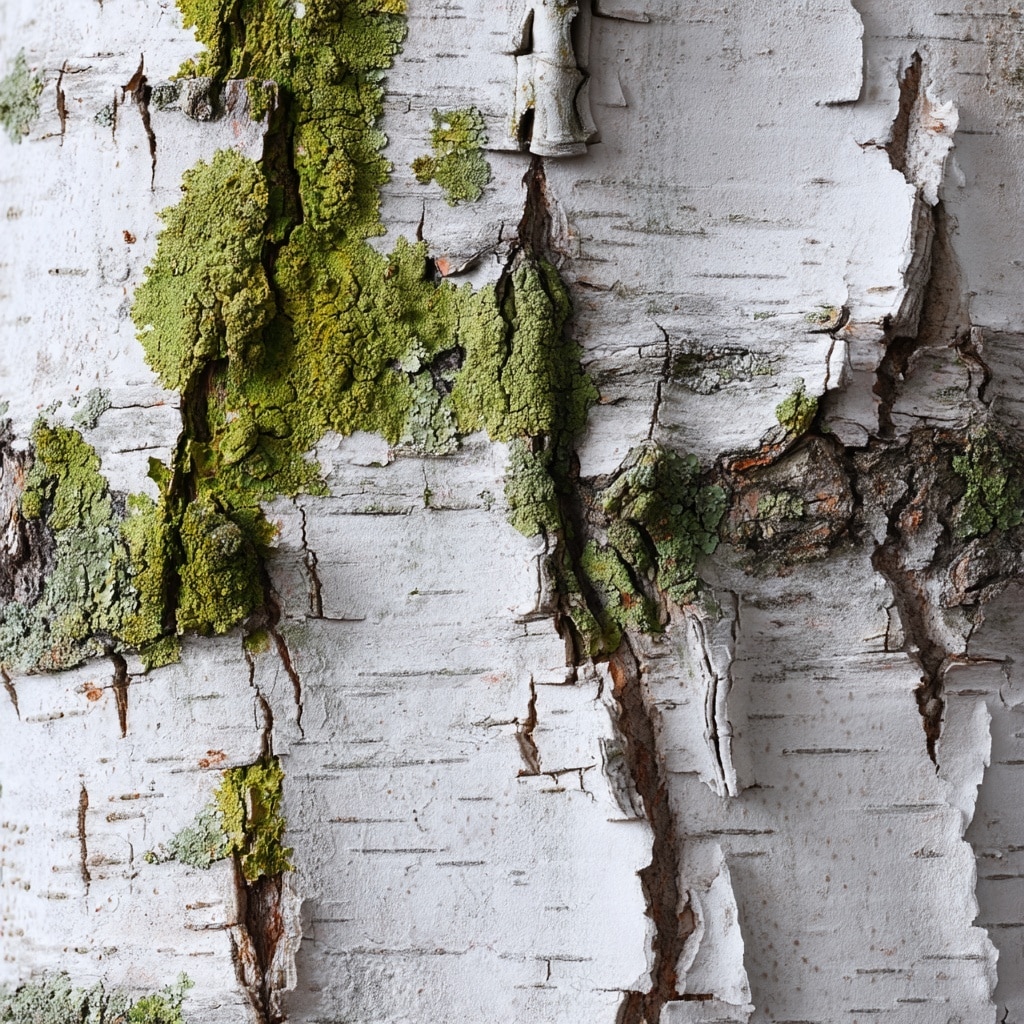
The striking white bark of aspen trees isn’t just beautiful — it’s functional. Unlike most tree bark, aspen bark contains chlorophyll, which allows it to perform photosynthesis even during the winter months. This means the tree can continue producing sugars and storing energy when its leaves are gone.
This unique feature also plays a critical role in mountain ecosystems. During harsh winters, when food is scarce, animals like deer and elk will nibble on the bark of aspen trees to survive. The bark’s ability to create and store sugars makes it an important emergency food source for wildlife.
In your yard, this means the bark needs to stay healthy for the tree’s overall well-being. Avoid damaging it with tools or lawn equipment. Scratches or wounds in the bark can become entry points for pests and disease — especially in urban environments where aspen trees are already under stress.
🐛 Common Aspen Tree Pests and How to Handle Them
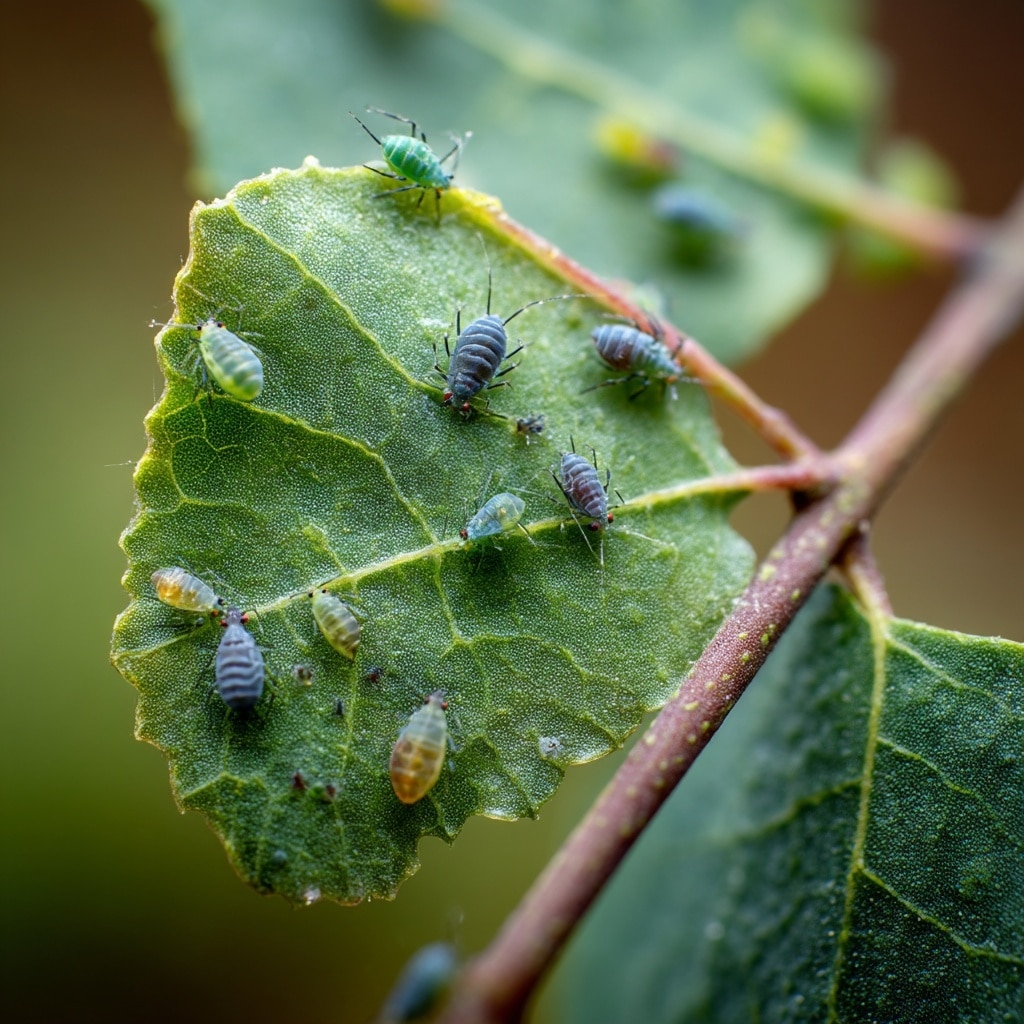
Pests are one of the biggest challenges when growing aspen trees in city environments. Because these trees are already stressed by non-native conditions, they become more vulnerable to insect infestations. Knowing what to look for—and how to treat it—can help you protect your trees early.
Aphids
Aphids leave behind a sticky residue known as honeydew, which can blacken leaves and attract ants. In late summer, it can also coat cars and patio furniture. Use dormant oils in winter to kill eggs and insecticidal soap or systemic treatments during the growing season.
Oystershell Scale
These pests resemble tiny oyster shells on branches and trunks. They feed by piercing the bark and sucking sap, often causing dieback. Dormant oils can help, but timing is critical. Crawlers (young scales) are vulnerable, but once they mature, treatment becomes difficult. Severe cases may require professional intervention.
Poplar Twiggall Fly
This small fly lays eggs in tender twigs, causing swollen galls that may look alarming but are mostly cosmetic. They rarely harm aspen trees, and in many cases, birds and parasitic wasps provide natural control.
Other Common Pests:
- Aspen Leaf Miners
- Sawflies
- Western Tent Caterpillars
- Poplar Borers
Early detection and proper care go a long way toward keeping aspen trees pest-free. If problems persist, consider consulting a certified arborist.
🦠 Diseases That Affect Aspen Trees in Urban Landscapes
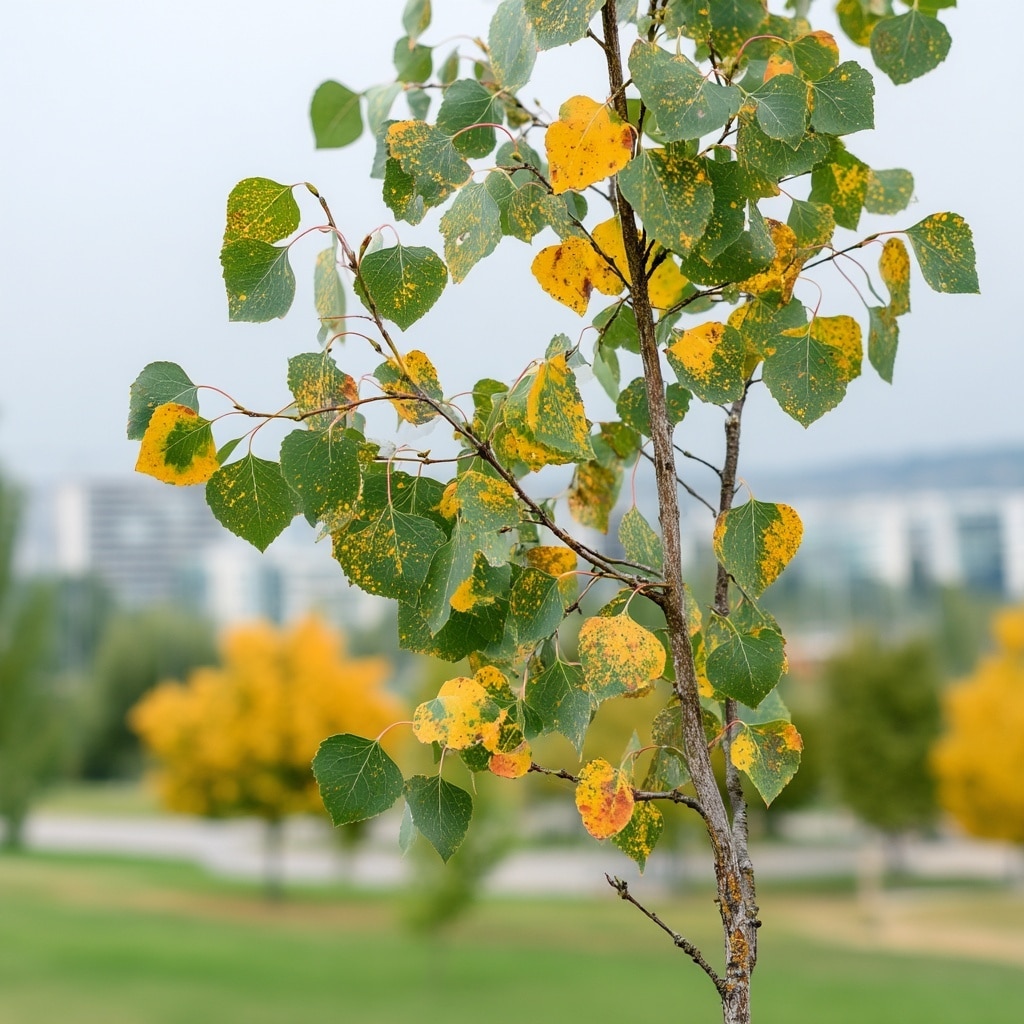
In addition to pests, aspen trees are prone to several fungal and nutrient-related diseases—especially when grown in dry, compacted soils common in city environments. Identifying these problems early can help extend the life and beauty of your trees.
Cytospora Canker
One of the most serious diseases for aspen trees, Cytospora appears as sunken, discolored lesions on branches or trunks. It’s caused by fungi that enter through wounds, especially during drought stress. There’s no chemical cure—removal of infected limbs and overall tree health improvement are the best defenses.
Marssonina Leaf Blight
This fungus causes dark, circular spots on leaves that may grow and merge, leading to early leaf drop. It overwinters in fallen debris, so regular raking in the fall helps prevent its spread. Proper spacing and thinning also improve air flow to reduce risk.
Iron Chlorosis
Caused by poor nutrient absorption in clay soils, this condition turns leaves pale yellow while veins stay green. It’s often due to iron deficiency and root stress. Chelated iron injections or soil amendments can correct the issue.
Other Common Diseases:
- Leaf and Shoot Blight – Twists new growth and creates black spots
- Ink Spot – Dark round patches that coalesce on leaves
- Septoria Leaf Spot – Scattered tan or brown spots that merge
- Leaf Rust – Yellowish fungal bumps on leaf undersides, especially on young trees
Maintaining soil health, proper watering, and seasonal clean-up are your best lines of defense against disease in aspen trees.
✅ 5 Expert Tips to Prevent Aspen Tree Problems
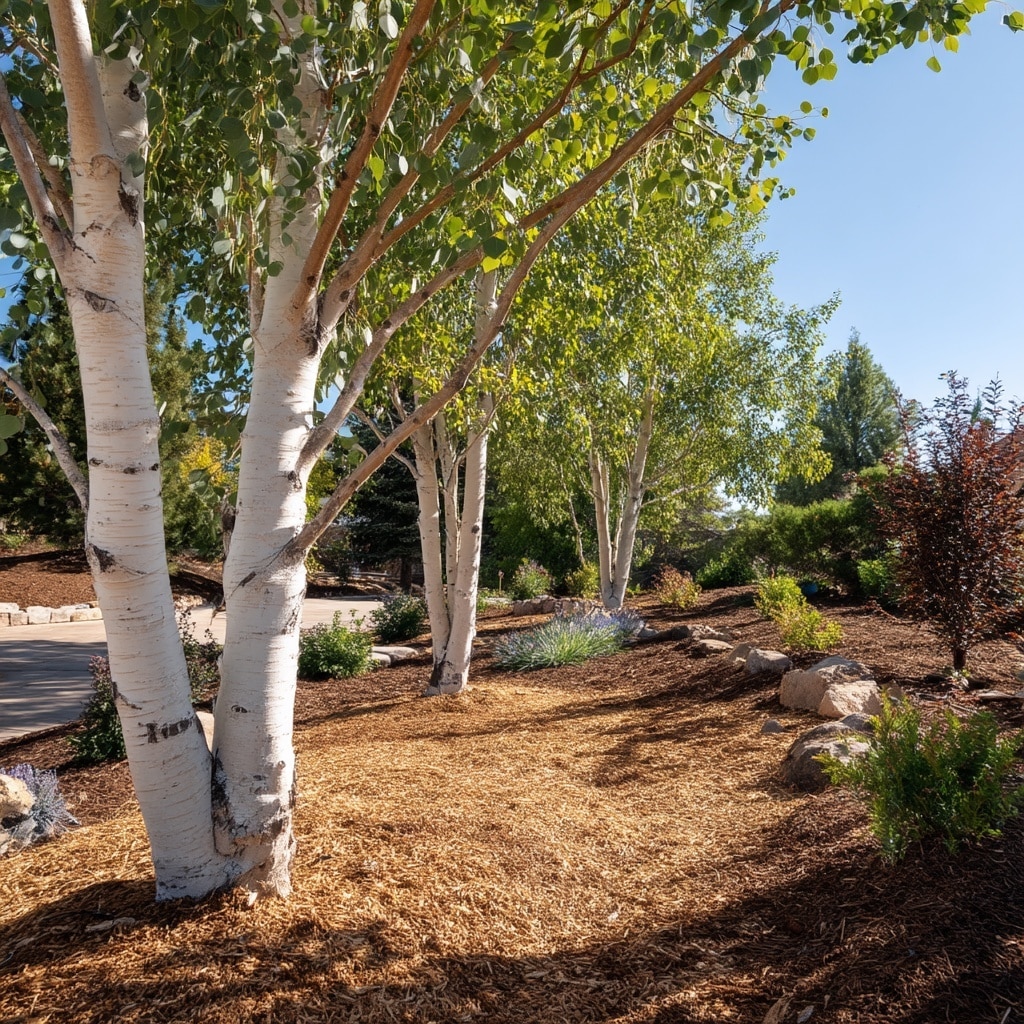
Prevention is always better than cure—especially when it comes to caring for aspen trees in challenging urban environments. These five simple but effective practices can help your trees stay healthy, strong, and vibrant throughout the year.
1. Plant in Raised Berms
Urban soils often lack proper drainage. Create a raised berm using sandy loam soil to keep roots above heavy clay. This mimics the loose, well-drained mountain soils aspen trees love.
2. Prune Carefully and Regularly
Remove dead, damaged, or diseased branches during the dormant season. Avoid cutting into healthy tissue, and never prune during wet conditions, which can spread fungal spores.
3. Use Dormant Oils and Systemic Treatments
To control pests like aphids and scale, apply dormant oils in winter and consider systemic injections in spring. Always follow label directions or consult a licensed arborist for proper application.
4. Water and Feed Year-Round
Even in winter, aspen trees need moisture. Deep water monthly during dry spells and apply a balanced fertilizer in spring to boost natural defenses.
5. Keep Leaves and Branches Dry
Fungal infections thrive in moist conditions. Adjust sprinklers to avoid wetting the canopy and clean up fallen leaves in autumn to reduce spore buildup.
By following these practices, you’ll reduce stress on your aspen trees and help prevent many of the pests and diseases that commonly affect them in city landscapes.
🌳 Conclusion
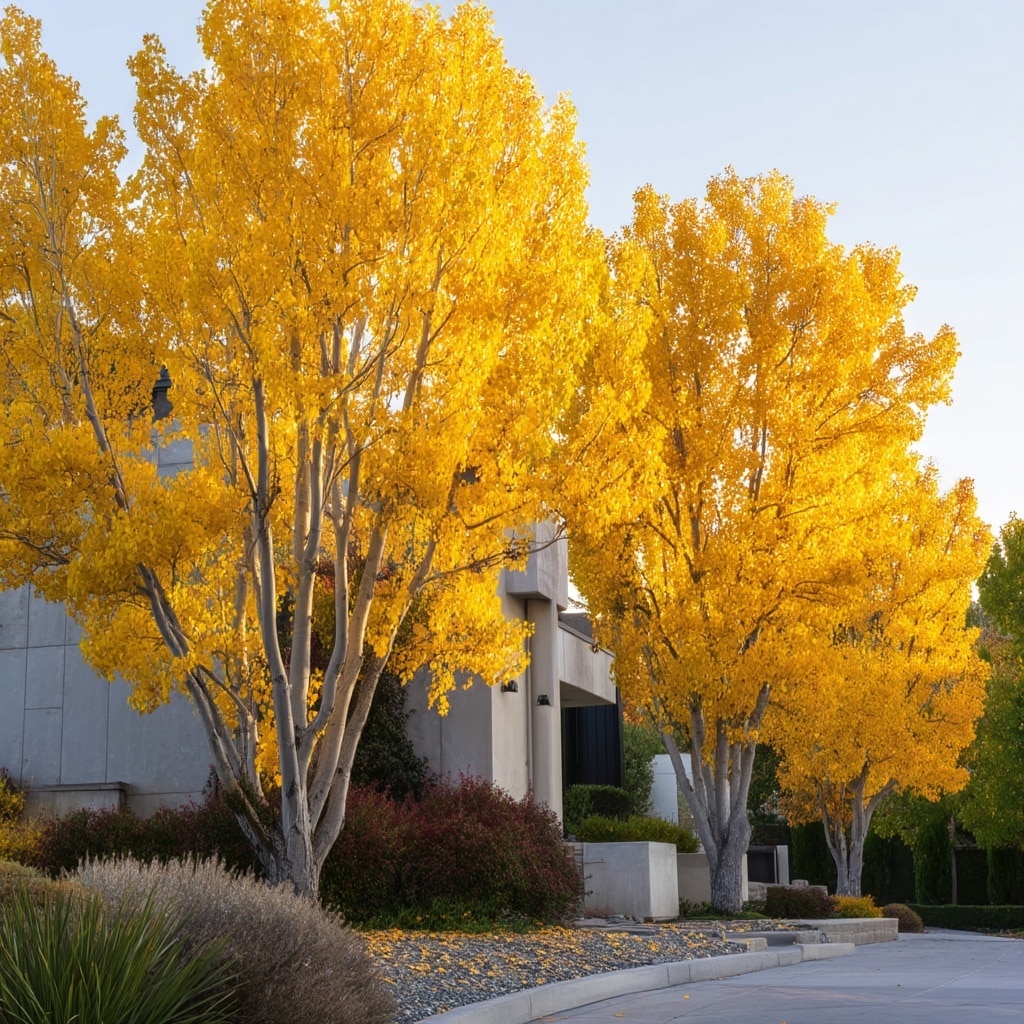
Caring for aspen trees in urban environments takes a bit of extra effort, but the reward is well worth it. By recreating their natural conditions, staying ahead of pests and diseases, and following simple maintenance tips, you can enjoy the beauty and resilience of these iconic trees in your own yard.
Whether you’re dealing with leaf spot, aphids, or just want to extend the lifespan of your aspen trees, consistency and proactive care are key. Keep your trees hydrated, well-fed, and protected—especially during the dry winter months—and they’ll return the favor with vibrant foliage, cooling shade, and year-round charm.