
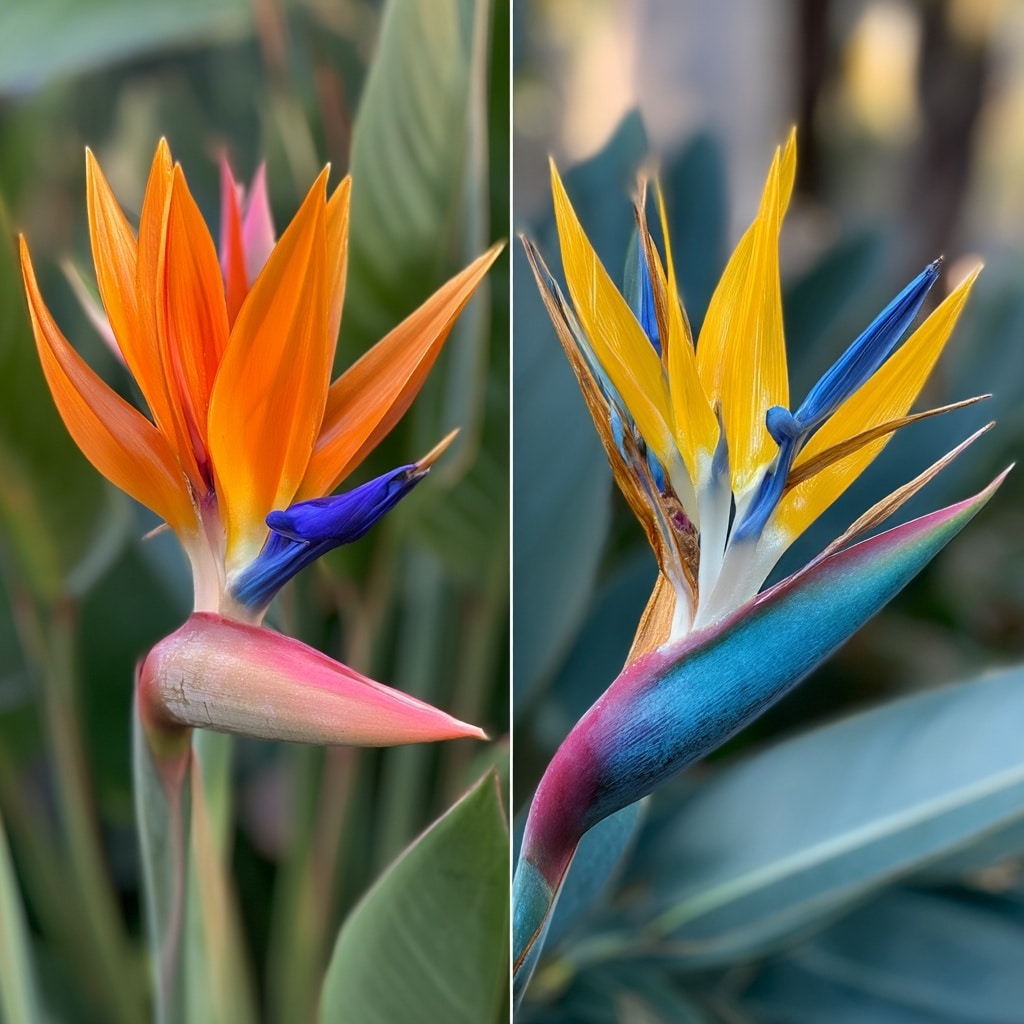
Bird of paradise plant is one of the most striking houseplants you can grow, with bold, tropical leaves and flowers that look like exotic birds in flight. Native to South Africa, this beauty brings a dramatic flair to bright indoor spaces like bathrooms, conservatories, or sunrooms. While it’s often admired for its sculptural form, it also rewards patient growers with vibrant orange and blue blooms—when the conditions are right. Though it needs a bit more care than your average houseplant, the bird of paradise plant is well worth the effort if you’re aiming to create a lush, statement-filled indoor garden.
Table of Contents
🌞 Where to Grow a Bird of Paradise Plant

Choosing the right location is essential to help your bird of paradise plant thrive. This tropical species needs a warm, bright spot with plenty of natural light. A south-facing room is ideal, especially one that gets a few hours of direct sun each day—preferably in the morning or late afternoon. If you’re growing it indoors, try placing it near a large, unshaded window to maximize light exposure.
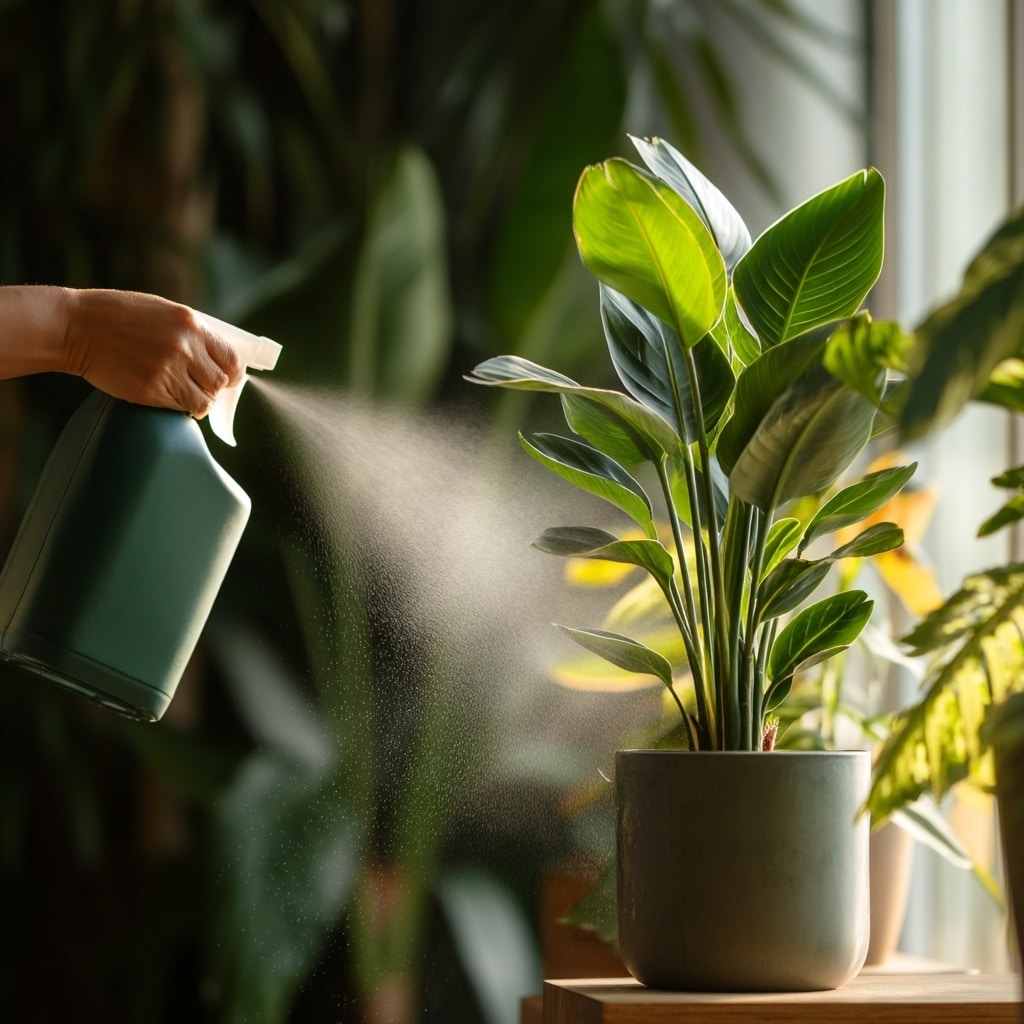
Humidity is another key factor. Bathrooms, conservatories, and sunrooms are excellent locations, as they naturally offer higher moisture levels in the air. In drier environments, you can raise humidity by placing the pot on a pebble tray filled with water or misting the leaves regularly.
Keep your plant away from cold drafts and ensure the room stays above 10°C (50°F) year-round. Temperature drops can stunt growth or even cause damage. During summer, you can move the plant outside into a sunny, sheltered spot—but bring it back indoors before autumn chills arrive.
🪴 How to Plant a Bird of Paradise Plant
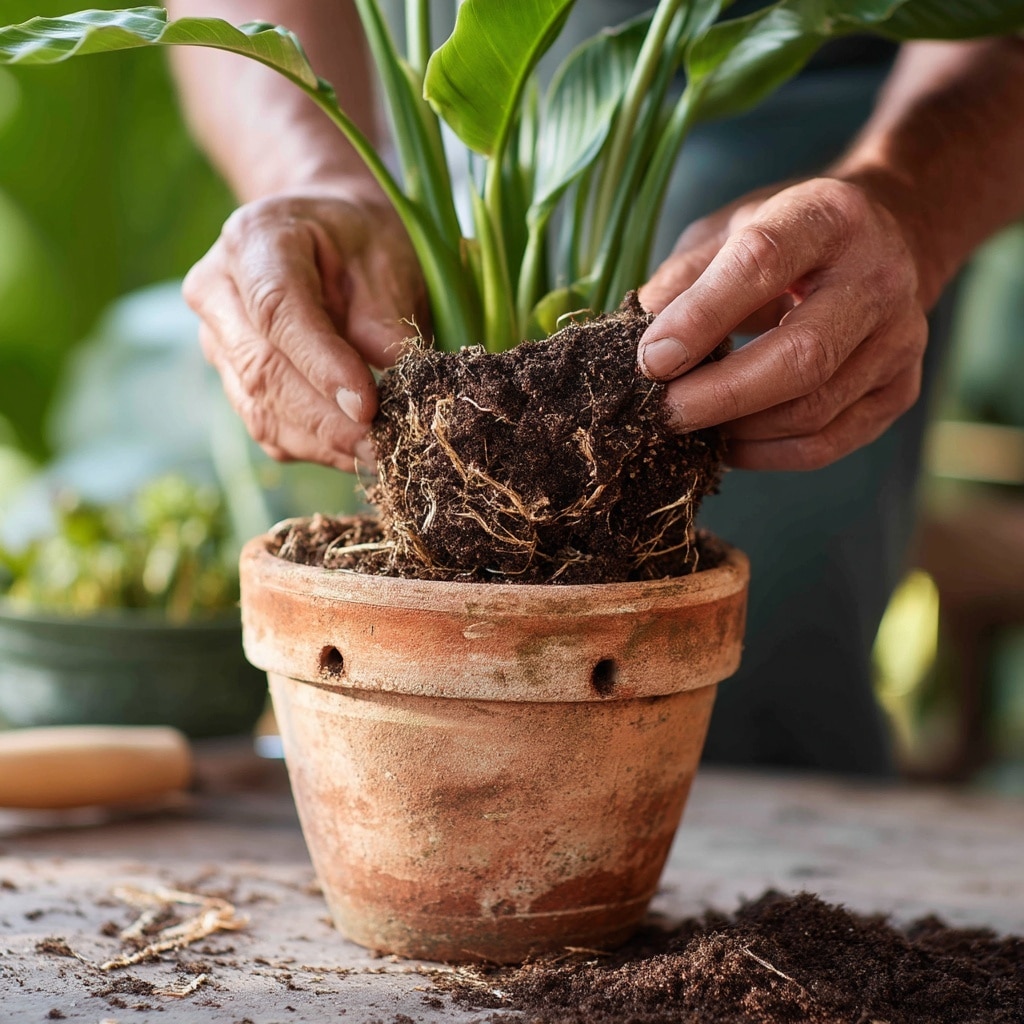
Getting the soil right is one of the most important steps when planting a bird of paradise plant. This tropical beauty prefers a well-draining, nutrient-rich mix. A reliable combination is three parts soil-based compost (like John Innes No. 3) and one part coarse grit or perlite to improve aeration and drainage.
Choose a pot with adequate drainage holes to prevent water from pooling at the bottom, which can lead to root rot. The pot should be sturdy, as the plant’s large leaves can make it top-heavy over time.
When planting or repotting, position the rootball so it sits just below the rim of the pot. Gently firm the compost around the roots and water thoroughly, allowing excess water to drain away. If you’re planting a newly purchased bird of paradise plant, avoid fertilizing immediately—give it a couple of weeks to settle in its new home.
This plant thrives slightly pot-bound, so there’s no rush to size up. Repot only when roots start showing at the soil surface or pushing through the drainage holes.
🌿 Caring for a Bird of Paradise Plant
The bird of paradise plant is surprisingly resilient once established, but it needs consistent care to look its best and eventually flower.
💧 Watering & Humidity
From spring through summer, keep the soil evenly moist—not soggy. Let the top inch of compost dry out slightly between waterings. In autumn and winter, reduce watering and allow the soil to dry more thoroughly between sessions.
Humidity is vital, especially in centrally heated homes. Mist the leaves regularly or place the pot on a tray filled with pebbles and water to boost moisture around the plant. If the leaf edges start turning brown, it’s often a sign the air is too dry.
🌬️ Air Circulation
Good airflow helps prevent pests like spider mites. On warm days, open windows to allow fresh air to circulate—but keep the plant out of cold drafts.
🌿 Cleaning & Pruning
Wipe the large, paddle-like leaves every couple of weeks with a damp cloth to remove dust. This improves light absorption and keeps the plant looking fresh. While pruning isn’t necessary, you can cut off yellowing or damaged leaves at the base in early spring.
🌱 Feeding
From April to September, feed your bird of paradise plant every two weeks with a balanced liquid houseplant fertilizer. This will support strong growth and encourage flowering in mature plants.
🪴 Repotting
These plants like to be slightly pot-bound, so don’t rush to repot. Only do so when you notice roots pushing out from the top or bottom of the pot. Spring is the best time to repot—move to a container just one size up. Alternatively, refresh the top few inches of compost each spring instead of repotting entirely.
🌱 How to Propagate a Bird of Paradise Plant
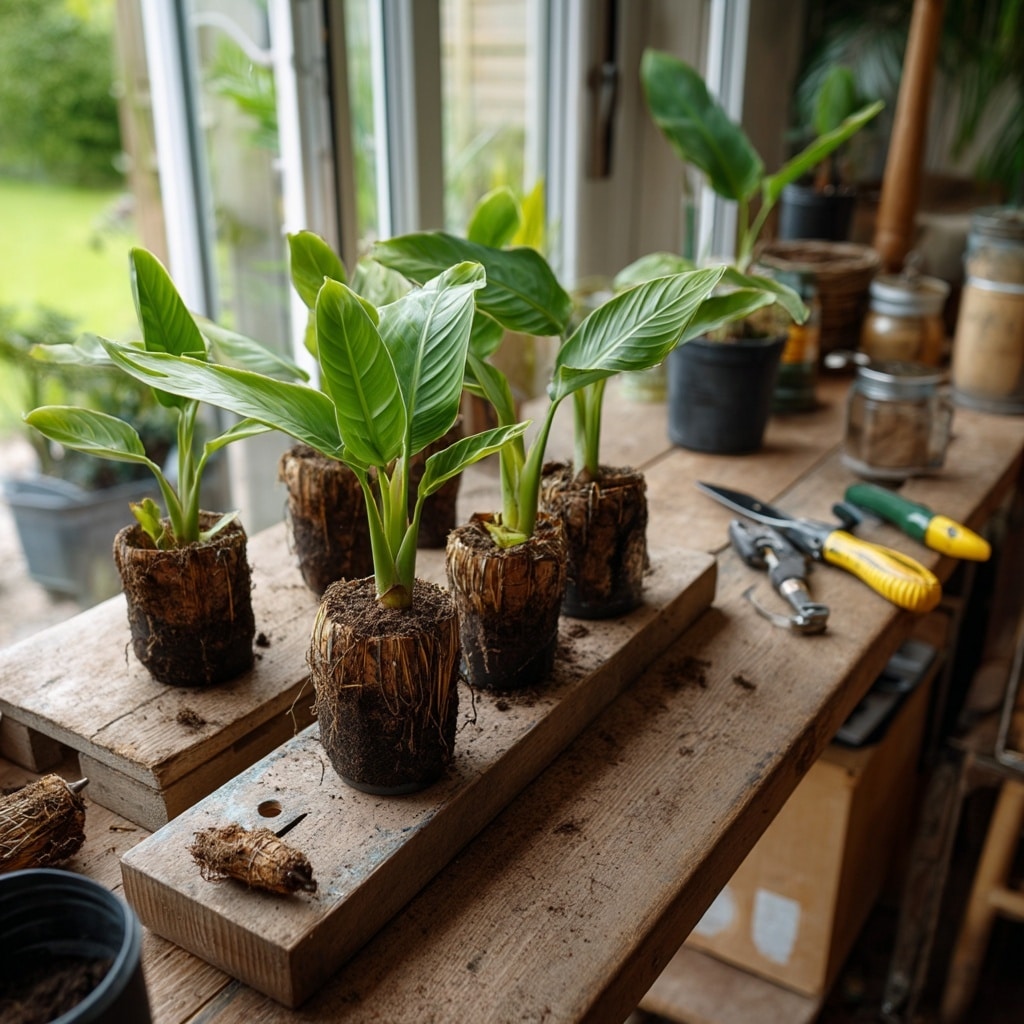
If you want more of this stunning tropical, there are two main ways to propagate a bird of paradise plant: from seed or by division. Each method has its pros and cons depending on how patient you’re willing to be.
🌾 Propagating from Seed
Growing from seed can be rewarding, but it’s definitely the long route. It can take up to 10 years for a seed-grown plant to mature and produce flowers. If you’re up for the challenge, sow seeds in early spring in a heated propagator or warm spot. Soak the seeds for 24–48 hours before planting to improve germination rates. Use a light, well-draining compost and keep the soil moist but not soggy.
✂️ Propagating by Division (Faster Method)
For quicker results, divide a mature plant that has outgrown its pot. Do this in spring:
- Gently remove the plant from its pot
- Use a sharp, clean knife to split the rootball in half or separate rooted offsets at the base
- Pot each new section into its own container with fresh compost
After dividing, avoid feeding for a few weeks and keep the soil just lightly moist while new roots establish.
Propagation by division is the easiest way to get new plants that will flower within a few years—especially if they’re already offshoots from a flowering parent.
🚨 Bird of Paradise Plant Problem Solving
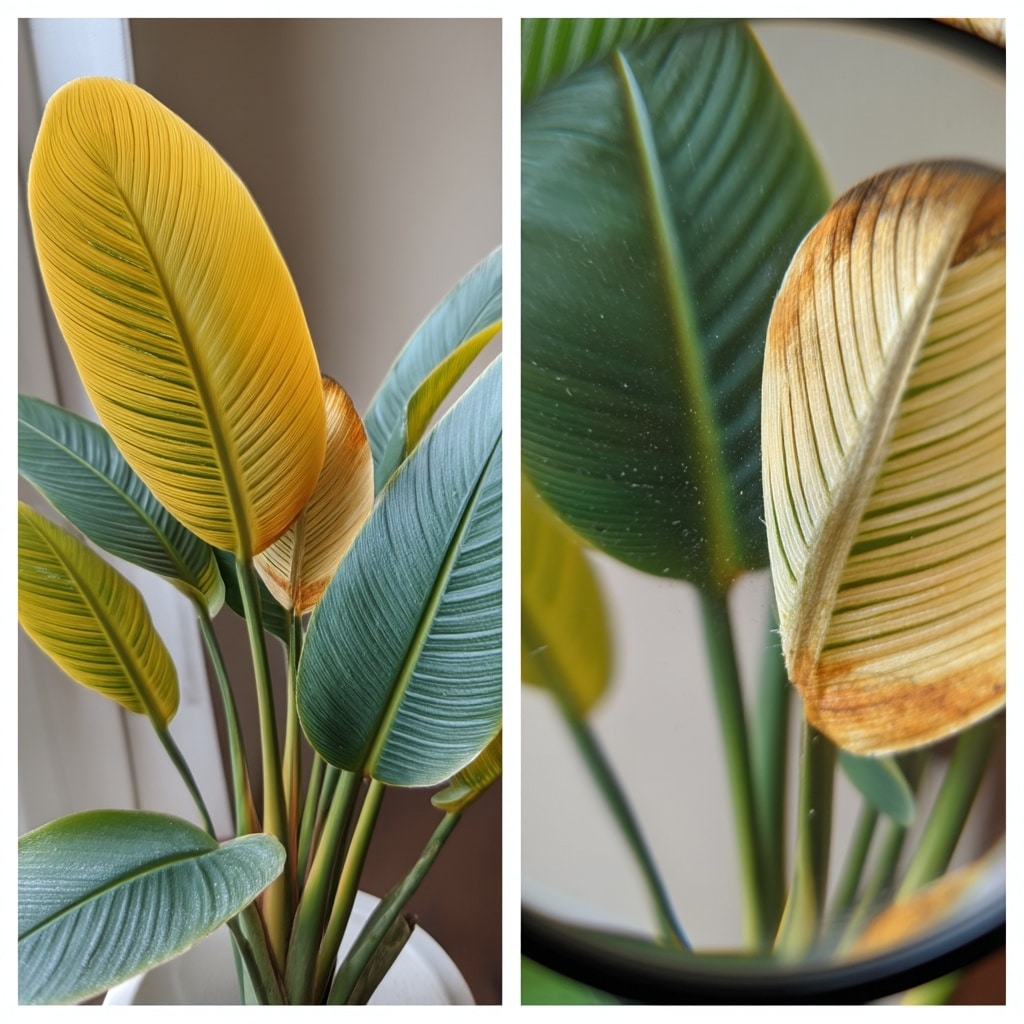
Even with the best care, your bird of paradise plant might occasionally show signs of stress. Here’s how to decode and fix the most common problems.
🌸 No Flowers?
Don’t panic—patience is key. A bird of paradise usually takes 3–5 years to bloom, especially when grown indoors. Flowering is more likely if the plant is:
- Slightly pot-bound
- In a bright, warm spot
- Fed regularly during the growing season
Light and maturity are the biggest triggers for flowering.
🌿 Curling Leaves
This can be caused by:
- Low humidity
- Underwatering
- Cold drafts
- Occasionally, pest infestations
Raise humidity and keep the plant away from temperature swings or open windows in colder months.
🍂 Yellow Leaves
- At the base? Normal aging process—nothing to worry about.
- Elsewhere? It could be due to overwatering, lack of light, or sudden temperature changes.
Adjust your care routine and check the roots for rot if overwatering is suspected.
🌵 Brown Leaf Edges
A classic sign of low humidity, overfeeding, or irregular watering. Try misting more often and sticking to a consistent watering schedule.
✂️ Splitting Leaves
This is normal, especially in older leaves. It’s the plant’s natural way of allowing wind to pass through in the wild.
🐛 Pests
Look out for:
- Scale insects (brown bumps)
- Mealybugs (white cotton-like spots)
- Spider mites (fine webbing, especially on new growth)
Use a soft cloth and organic insecticide based on plant oils or fatty acids. Regular misting also helps prevent spider mites.
🌱 Rotting Stems
Usually a sign of overwatering. Remove the affected parts, repot in fresh compost, and water more cautiously moving forward.
🛒 Buying Tips & Bird of Paradise Varieties to Grow
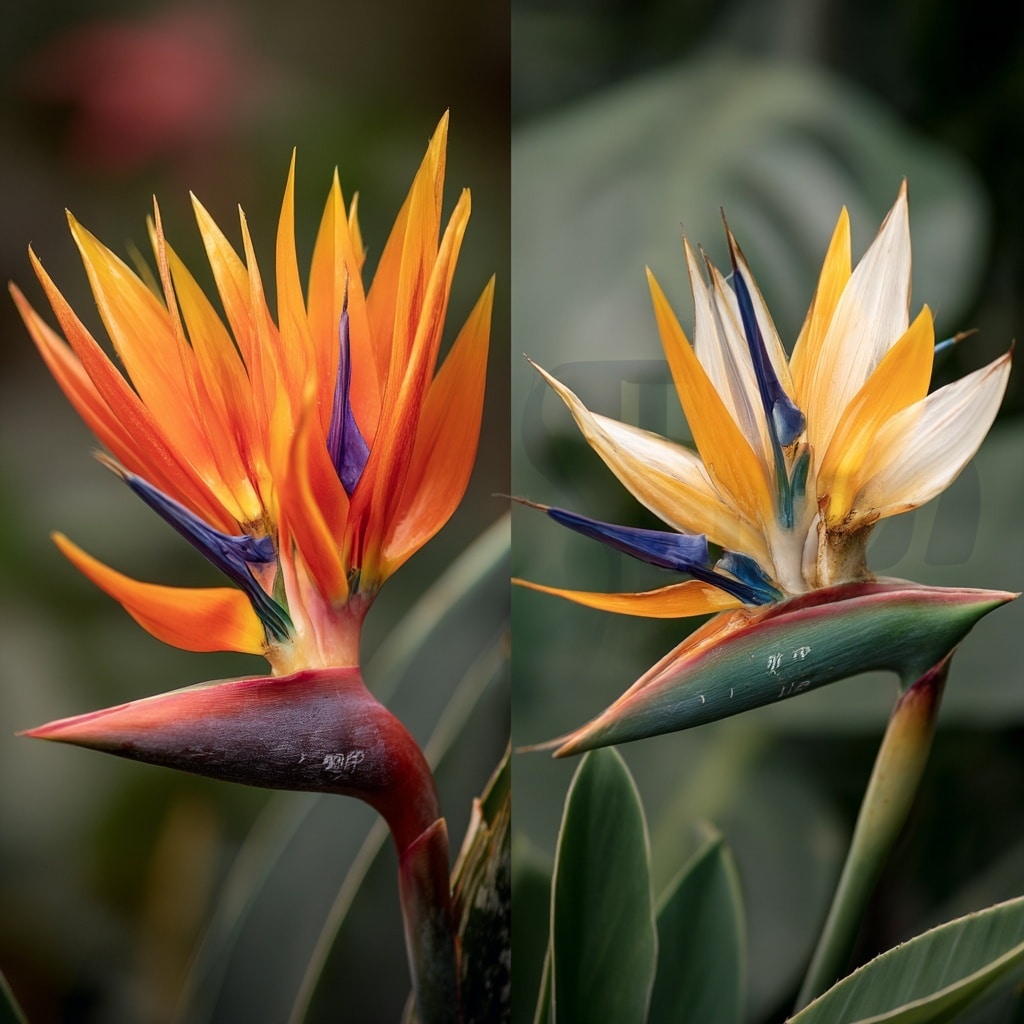
Before you invest in a bird of paradise plant, make sure you can meet its care needs. These plants aren’t cheap, and their dramatic size means they require plenty of space, light, and humidity to truly thrive indoors.
🛍️ Buying Advice
- Choose a plant with healthy, upright leaves and no signs of pests or yellowing
- Opt for a reputable nursery or specialist houseplant supplier, especially if ordering online
- Be prepared to commit to regular misting, feeding, and the right temperature (above 10°C / 50°F)
- If possible, buy a mature plant—this significantly reduces your wait time for flowering
Online retailers like Thompson & Morgan, Primrose, and Bloom Box Club often stock high-quality bird of paradise plants with delivery options.
🌼 Varieties to Consider
Here are two stunning options to suit different spaces:
🌿 Strelitzia nicolai (Giant White Bird of Paradise)
- Size: Up to 10m tall (best for very large indoor spaces or conservatories)
- Flowers: White with midnight blue, large paddle-shaped leaves
- Ideal for: Loft apartments, garden rooms, or indoor jungles
🌼 Strelitzia reginae ‘Kirstenbosch Gold’ (aka ‘Mandela’s Gold’)
- Size: Around 1.5m tall and wide
- Flowers: Rare yellow blooms with the same iconic shape
- Ideal for: Home growers wanting something unique and manageable in size
✅ Conclusion
The bird of paradise plant is a bold and rewarding choice for any indoor gardener who wants a statement plant with tropical flair. With the right light, warmth, and care, you’ll enjoy years of lush growth—and maybe even the iconic blooms that make this plant so special. Start with a healthy specimen, follow a consistent care routine, and be patient. Your tropical oasis awaits!