
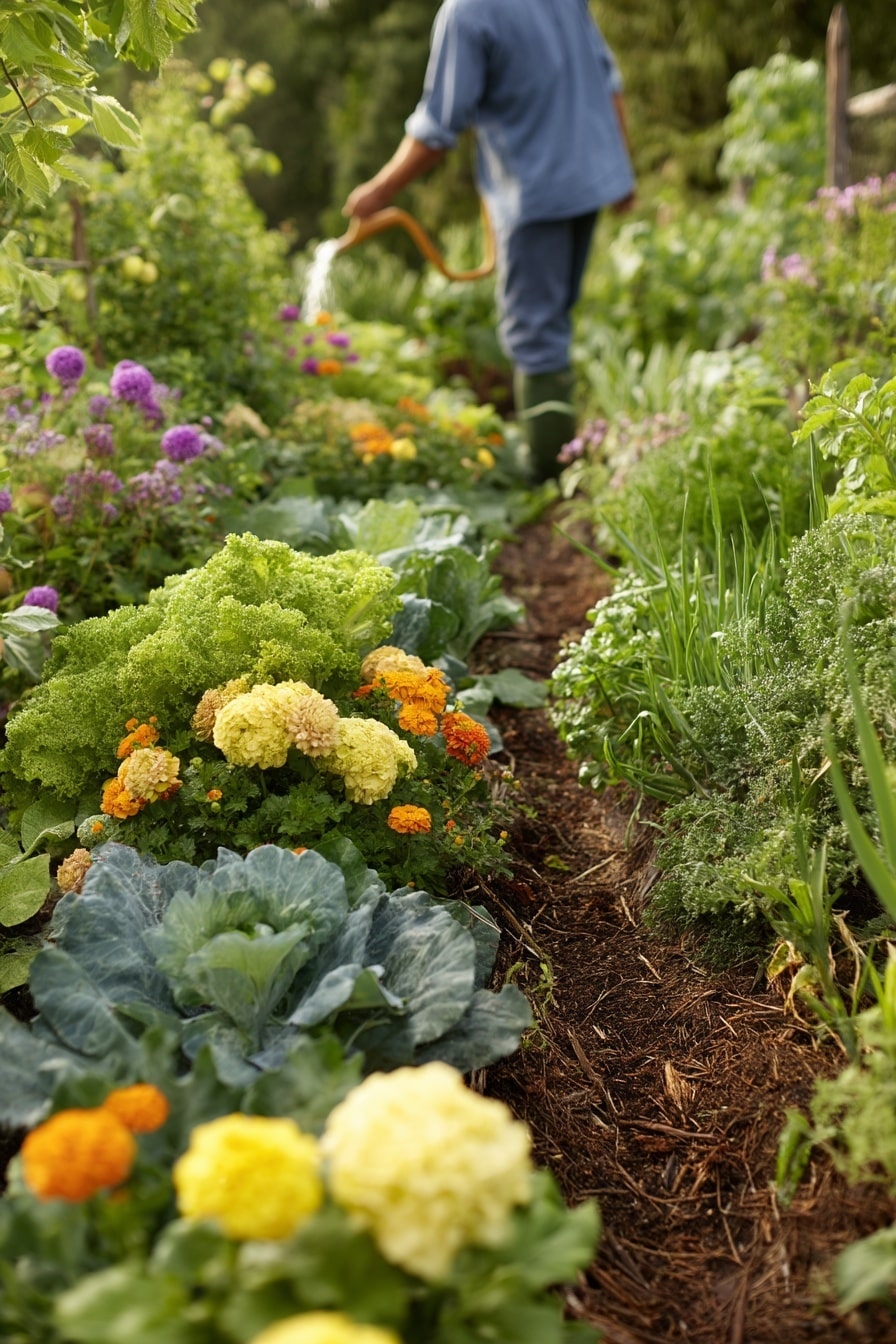

Planting an in-ground garden is a rewarding experience that brings fresh produce and beautiful plants right to your doorstep. Whether you’re starting with a small vegetable patch or a larger garden, this beginner-friendly guide will walk you through the essential steps. With the right preparation and care, you can enjoy the benefits of a thriving in-ground garden in no time.
Table of Contents
1. Choose the Right Location for Your In-Ground Garden

The first step in planting an in-ground garden is selecting the perfect spot. Look for an area that receives plenty of sunlight—at least six to eight hours a day—depending on what you plan to grow. Ensure the soil drains well to prevent waterlogging, which can harm plants.
Consider the following factors:
- Sunlight: Most vegetables need full sun.
- Soil Quality: Check for well-drained, fertile soil.
- Accessibility: Choose a spot that’s easy to access for watering and maintenance.
2. Prepare the Soil for Planting

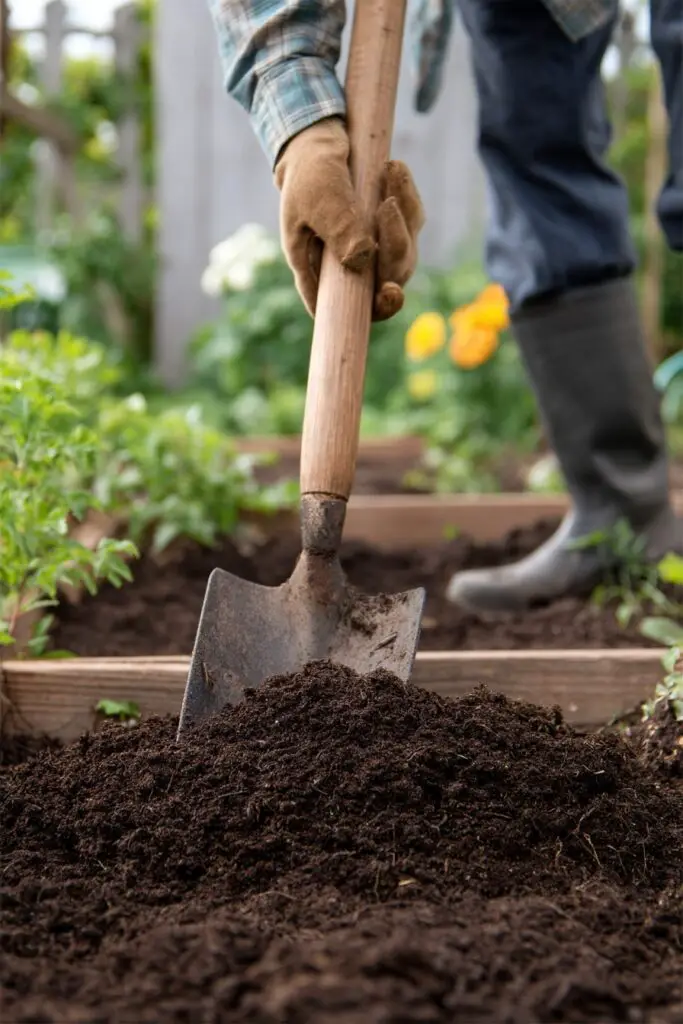
Soil preparation is crucial for a healthy garden. Start by clearing the area of weeds, rocks, and debris. Then, use a shovel or garden fork to loosen the soil to a depth of at least 6–8 inches. Adding compost or organic matter will enrich the soil, improving its texture and fertility.
Steps for soil prep:
- Remove weeds and rocks.
- Loosen the soil with a garden fork or tiller.
- Mix in compost for added nutrients.
3. Plan Your Garden Layout

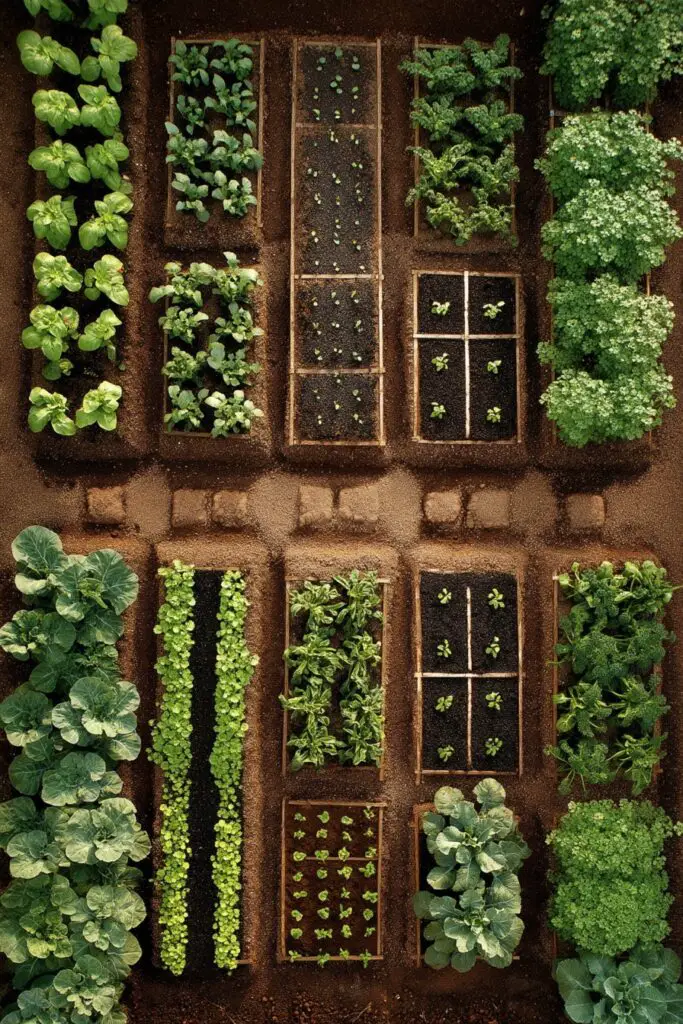
Now that your soil is ready, plan your garden layout. Consider crop rotation, spacing, and plant size. For vegetables, group plants with similar sunlight and water requirements together. Use raised rows or garden beds to help improve drainage and make weeding easier.
Tips for planning:
- Follow spacing guidelines on seed packets.
- Place taller plants on the north side to avoid shading smaller ones.
- Consider companion planting for pest control.
4. Plant Your Seeds or Transplants
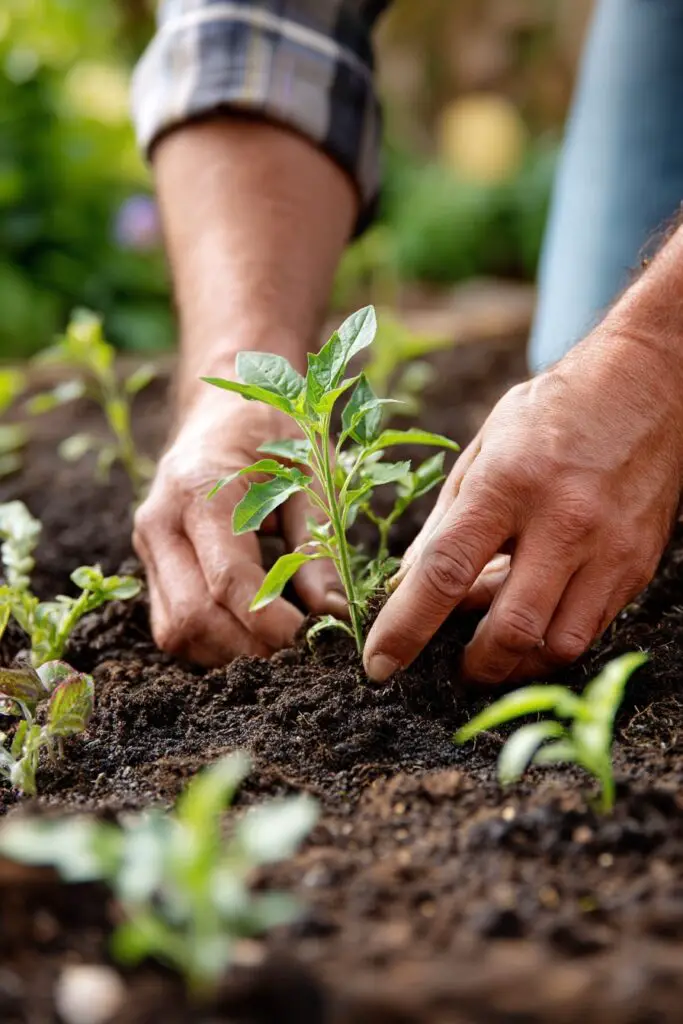
With your garden layout set, it’s time to plant! You can either sow seeds directly into the soil or transplant seedlings from a nursery. Follow the recommended planting depth and spacing for each variety. Water thoroughly after planting to ensure the soil is moist.
Planting tips:
- Check seed packet instructions for correct planting depth.
- Water plants gently to avoid disturbing the soil.
- Use mulch to retain moisture and suppress weeds.
5. Maintain Your In-Ground Garden

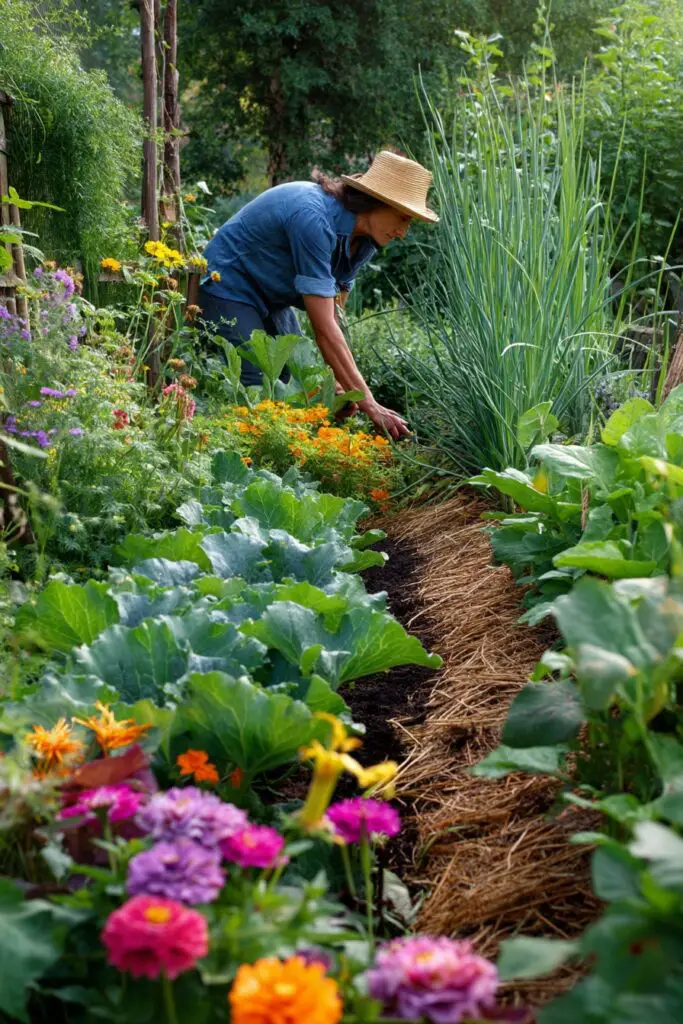
Once your garden is planted, ongoing care is necessary for healthy growth. Regularly check for pests, water as needed, and remove weeds. Adding mulch can help keep moisture in the soil and prevent weed growth. Keep an eye on plant health, and be prepared to deal with any issues promptly.
Maintenance tips:
- Water deeply to encourage deep root growth.
- Use organic mulch to help retain moisture.
- Regularly check for pests and diseases.
Conclusion
Planting an in-ground garden is a simple and enjoyable way to grow fresh food or beautiful flowers right at home. With careful planning, soil preparation, and ongoing care, you’ll soon have a thriving garden to be proud of. Start with these easy steps, and watch your in-ground garden flourish!