
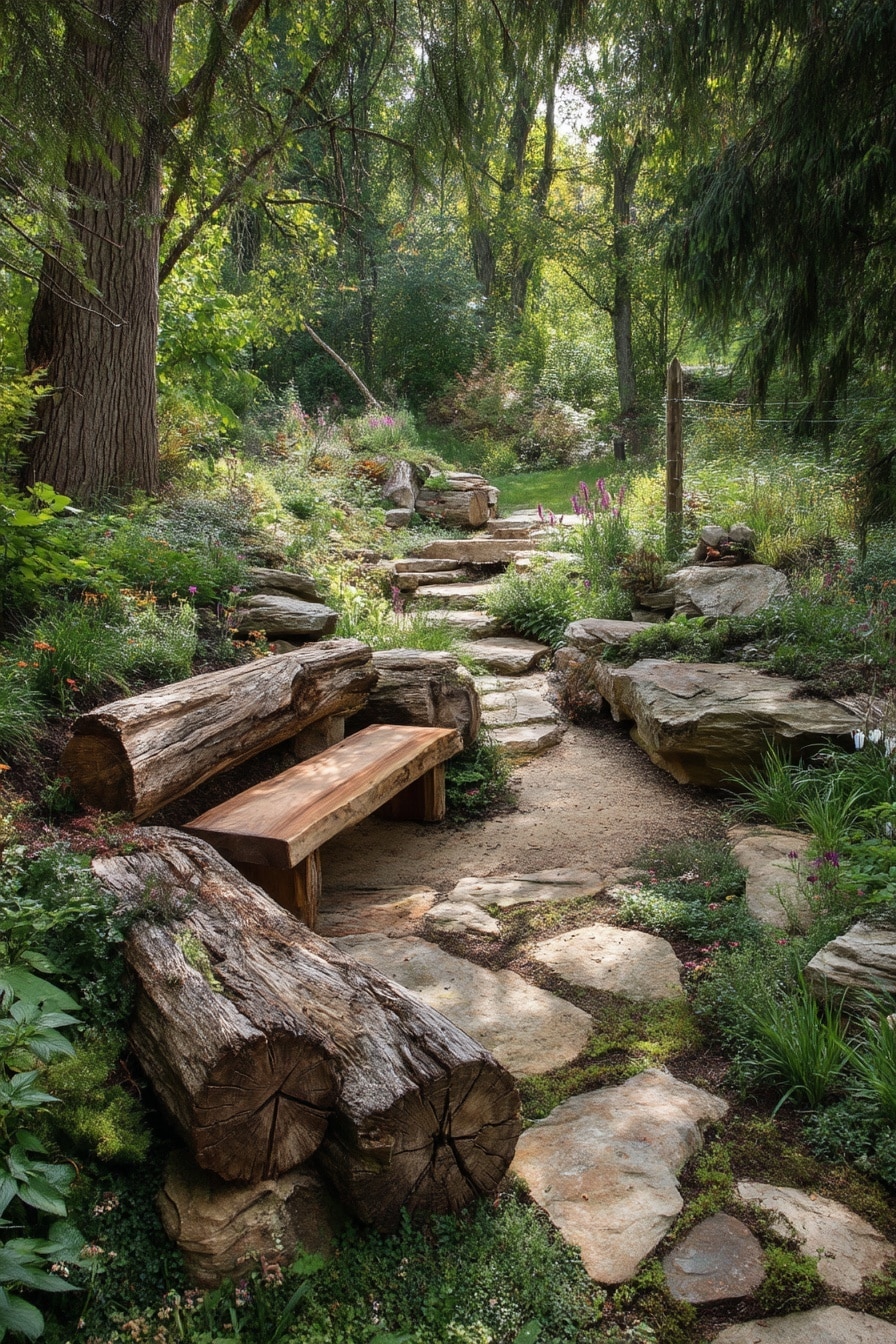
Woodland garden designs bring a calm, natural feel to your outdoor space by mimicking the beauty of a forest setting. With layered plants, shaded areas, and organic textures, this style creates a peaceful retreat right at home. Whether you have a large yard or a small corner to transform, a woodland garden can thrive with the right planning.
In this guide, you’ll find simple and creative woodland garden ideas that help you build a relaxing, low-maintenance landscape. Each idea focuses on blending plants, textures, and layout to achieve a natural woodland effect.
Table of Contents
1. Create a Layered Planting Design

A key feature of any woodland garden is layering plants to reflect how they grow in nature. This approach adds depth and visual interest while making the space feel full and balanced.
Start with taller trees or shrubs as the backdrop. Then add medium-height plants like ferns or flowering perennials. Finally, fill in the front with ground covers.
Tips for layering:
- Use shade-loving plants for better growth
- Combine different leaf shapes and textures
- Avoid overcrowding to maintain airflow
This layered approach makes your woodland garden look more natural and established.
2. Add a Natural Pathway
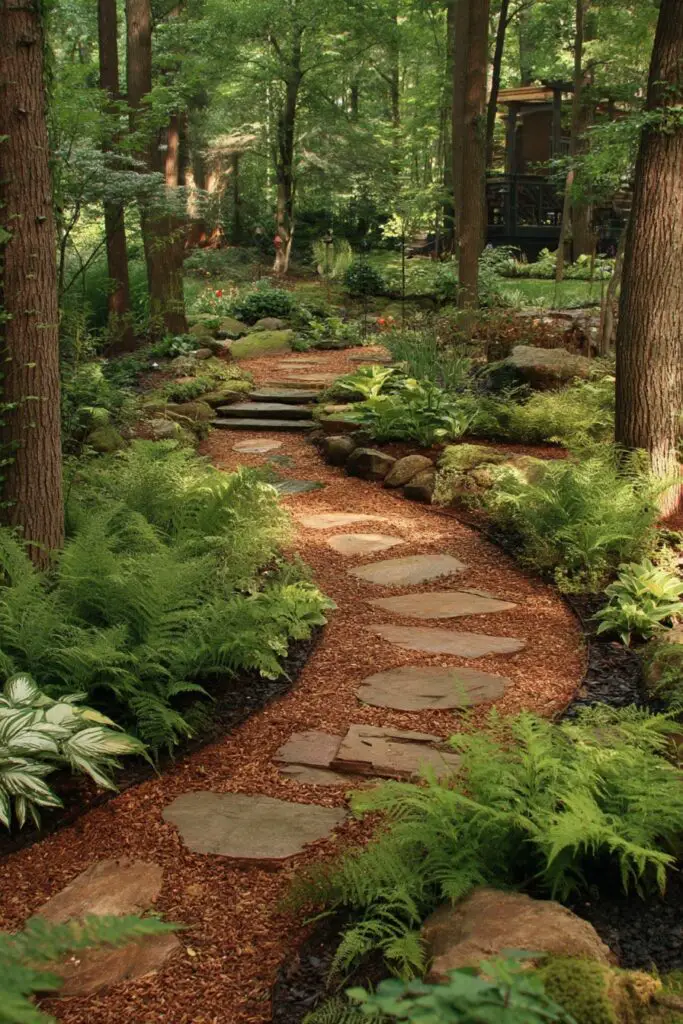
A winding path enhances both function and charm in a woodland garden. It guides visitors through the space while maintaining a relaxed, organic feel.
Use materials like gravel, mulch, stepping stones, or bark to keep the design consistent with nature. Avoid straight lines—curved paths work best.
Benefits of pathways:
- Improves accessibility
- Adds structure without looking formal
- Highlights different areas of your garden
A well-placed path can turn your woodland garden into a peaceful walking experience.
3. Incorporate Shade-Loving Plants
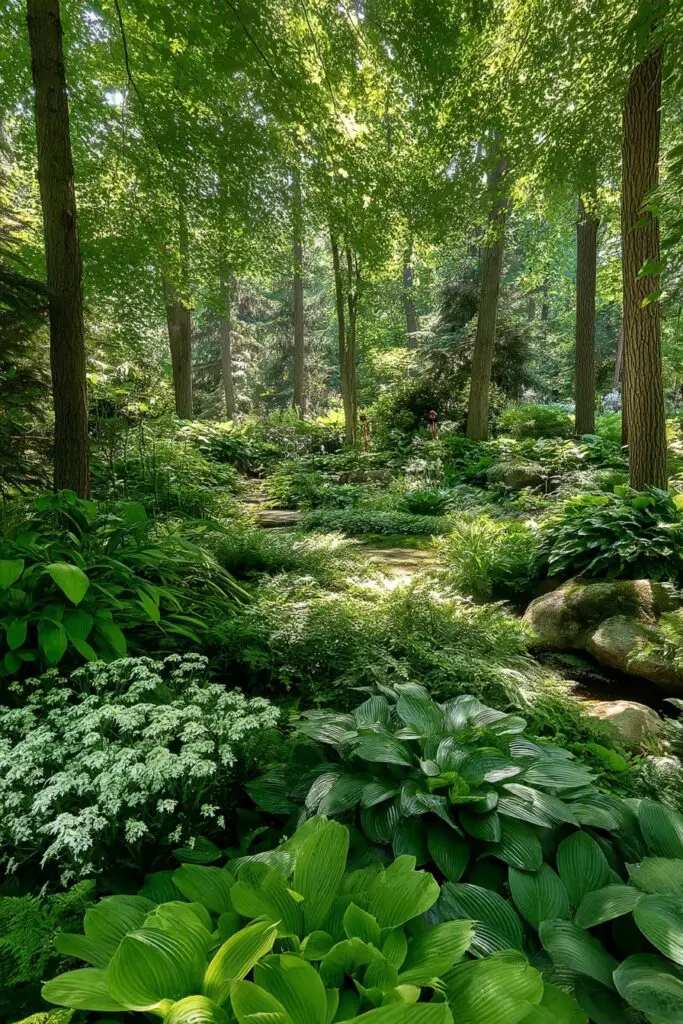
Since a woodland garden often has filtered sunlight, choosing the right plants is essential. Shade-tolerant plants thrive in these conditions and help create a lush environment.
Consider mixing foliage plants with seasonal blooms for variety. This keeps your garden visually appealing throughout the year.
Great plant options:
- Ferns for texture
- Hostas for bold leaves
- Wildflowers for natural color
Using the right plants ensures your woodland garden stays healthy and vibrant.
4. Use Natural Materials for Hardscaping
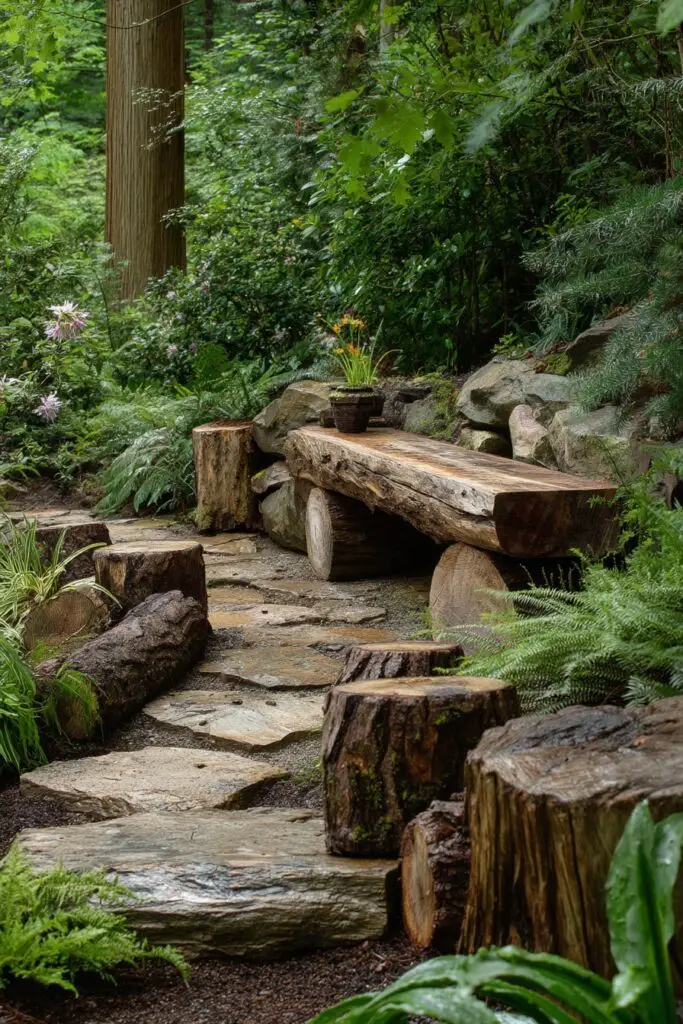
A woodland garden should feel connected to nature, so avoid overly polished materials. Instead, choose elements that blend into the environment.
Wood, stone, and bark are excellent choices for edging, seating, or decorative features.
Ideas to try:
- Log borders for garden beds
- Stone accents for focal points
- Wooden benches for resting areas
These materials enhance the authenticity of your woodland garden without overpowering it.
5. Add Water Features for a Tranquil Touch
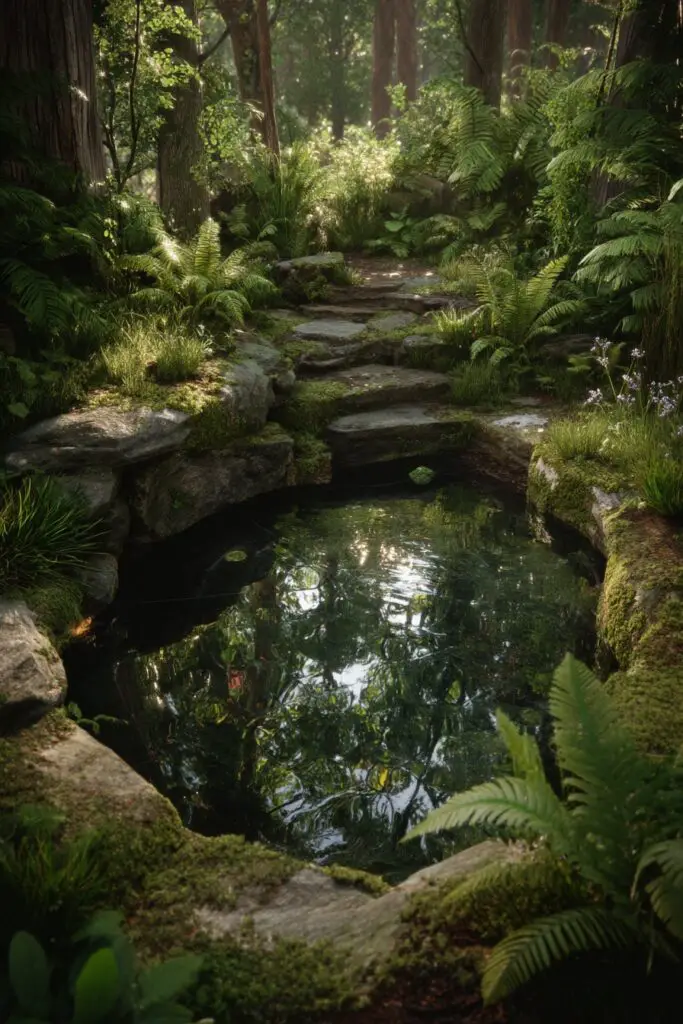
Water elements bring movement and sound into a woodland garden, making the space more relaxing. Even a small feature can have a big impact.
You can install a simple fountain, a birdbath, or a small pond depending on your space.
Why add water:
- Attracts birds and wildlife
- Creates a calming atmosphere
- Enhances the natural theme
A water feature completes the woodland garden by adding life and serenity.
Conclusion
A woodland garden offers a beautiful way to bring nature closer to home. By layering plants, adding natural paths, and using organic materials, you can create a space that feels both peaceful and inviting. Start with small changes and build gradually to achieve a woodland garden that suits your style and space.