
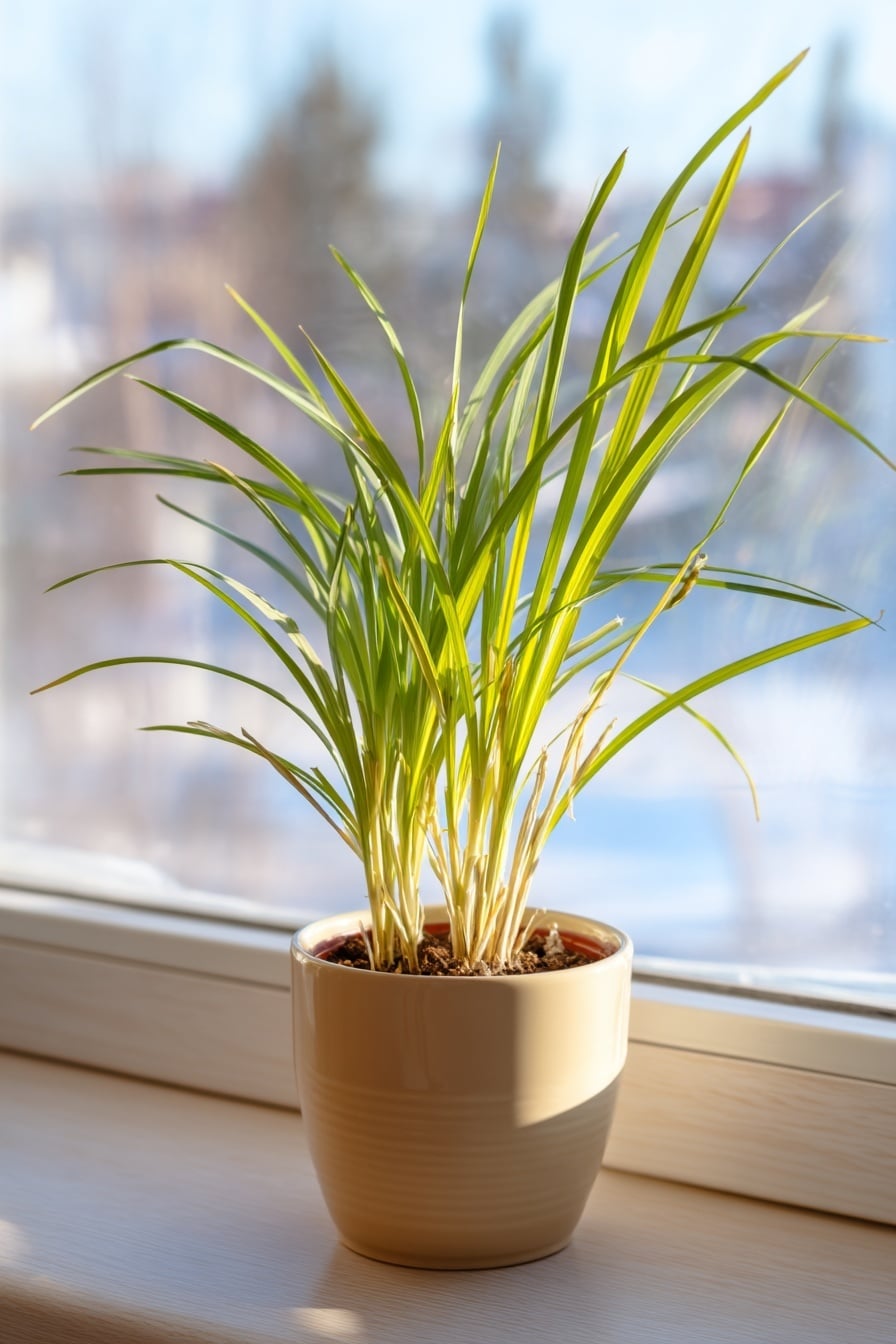

The lemongrass plant (Cymbopogon citratus) is a versatile herb known for its aromatic lemon scent and flavorful stalks. It’s a common ingredient in many cuisines, particularly in Southeast Asia, and can be used in both savory dishes and herbal teas. Growing your own lemongrass allows you to enjoy fresh herbs straight from your garden. In this article, we’ll guide you through the essentials of growing lemongrass, from planting to care, so you can enjoy this fragrant herb all year long.
Table of Contents
1. Choosing the Right Location for Lemongrass

When growing a lemongrass plant, it’s essential to choose the right location to ensure the plant thrives. Lemongrass loves the sun and requires full sunlight to grow vigorously. Ideally, plant it in a spot where it will receive at least 6-8 hours of sunlight daily.
The soil should be rich and loamy, with good drainage. Lemongrass thrives in slightly acidic to neutral soil, so aim for a pH between 6.0 and 7.0. Make sure the location is sheltered from strong winds, as lemongrass can grow tall and may become unstable during gusty weather.
2. Planting Lemongrass

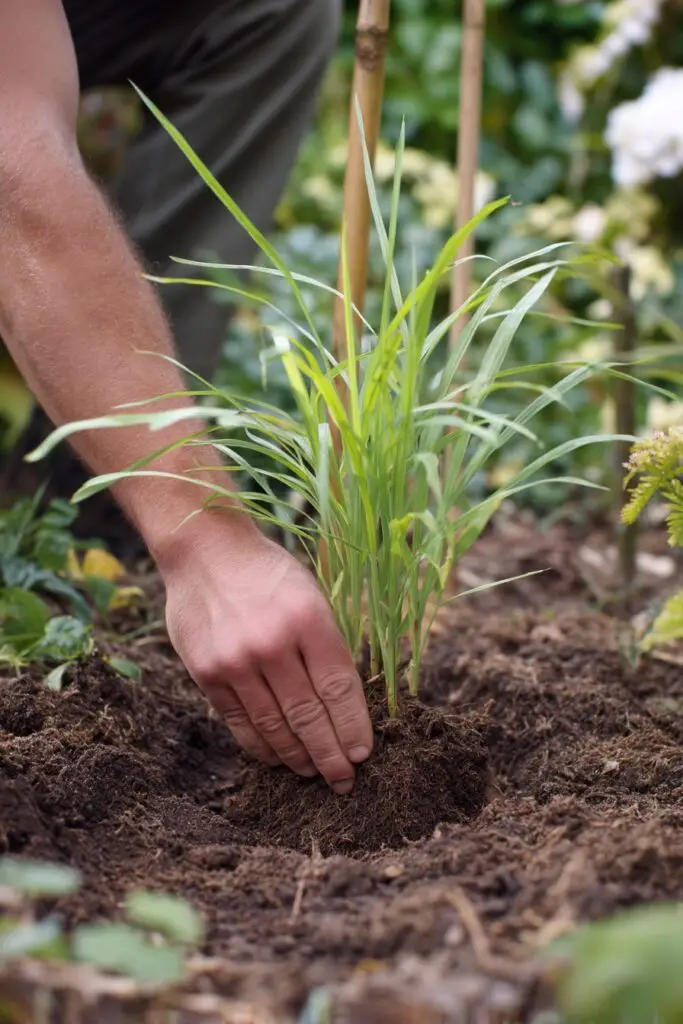
The best time to plant lemongrass is during the spring when the soil is warm, and the risk of frost has passed. You can grow lemongrass from seeds, but it’s often more convenient to start with established plants or cuttings, as this provides faster results.
To plant lemongrass, dig a hole about 4-6 inches deep, spacing each plant about 24 inches apart to allow for proper growth. Gently place the plant or cutting in the hole, ensuring that the roots are well-covered with soil. Water generously after planting to help establish the roots.
If you’re growing lemongrass in containers, choose a large pot with adequate drainage holes. A container ensures the plant’s roots won’t spread too far and helps control the plant’s growth.
3. Watering and Fertilizing Lemongrass

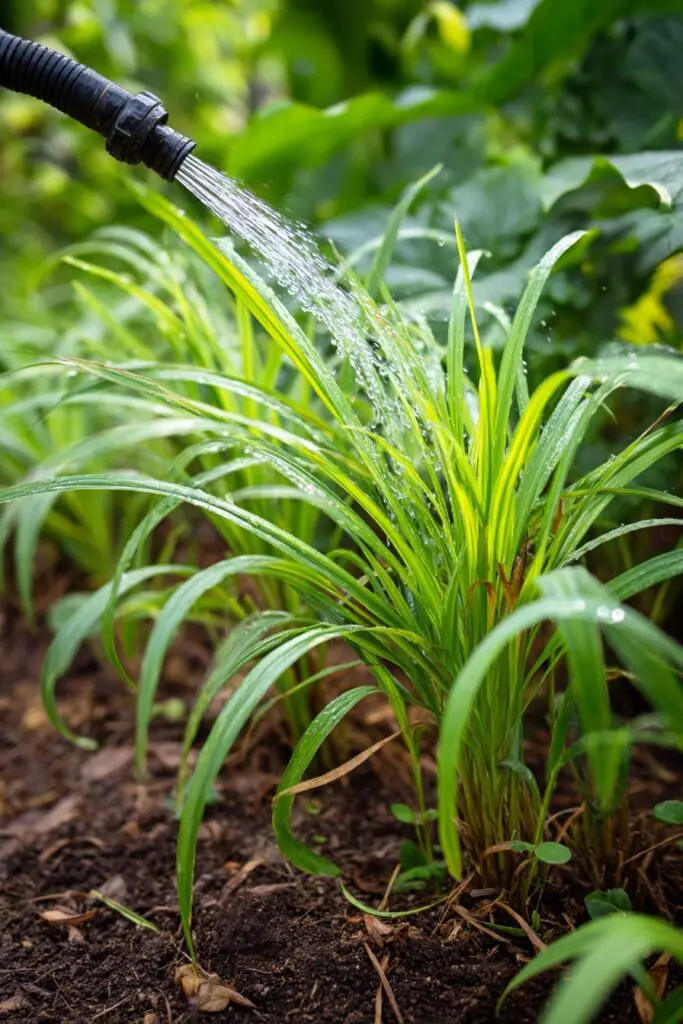
Like many herbs, lemongrass plants thrive with consistent moisture. Water the plant regularly, but be careful not to overwater. The soil should remain moist but not soggy, as excessive water can lead to root rot.
Fertilizing lemongrass isn’t strictly necessary, but feeding the plant with a balanced, all-purpose fertilizer during the growing season can promote healthy growth. Apply the fertilizer every 4-6 weeks for the best results, or choose an organic option for a more natural approach.
4. Pruning and Harvesting Lemongrass
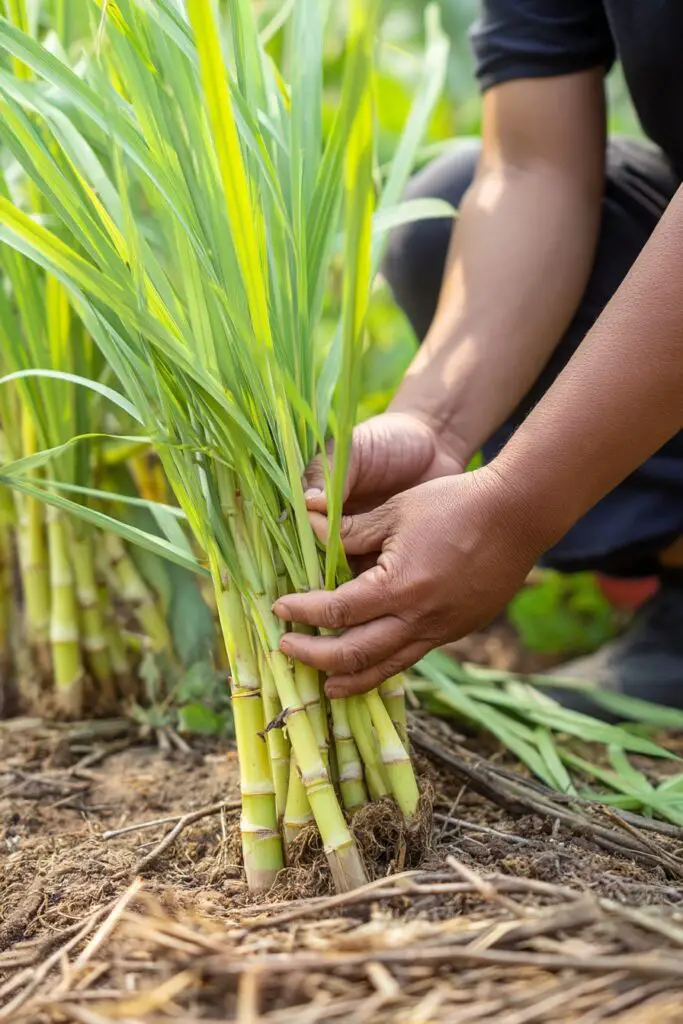
To keep your lemongrass plant healthy and encourage more growth, regular pruning is essential. Trim away any dead or damaged leaves, and periodically cut the stems to promote new growth.
When it comes time to harvest, cut the stalks near the base, leaving the lower part of the plant intact so it can regrow. You can use the fresh lemongrass stalks in a variety of dishes, or dry them to store for later use.
5. Winter Care for Lemongrass

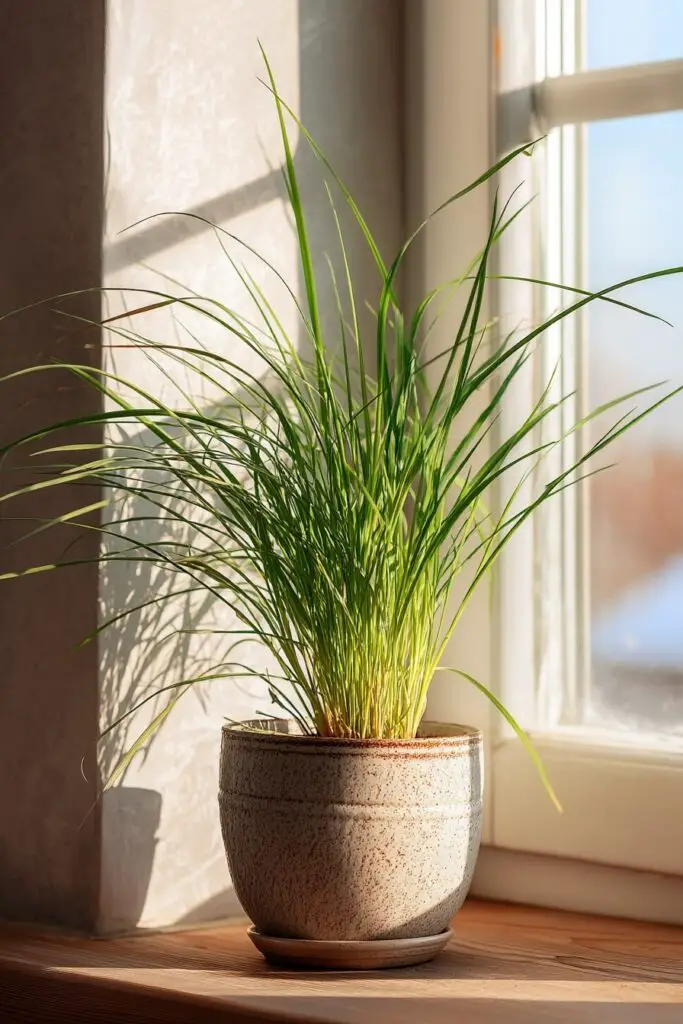
Since lemongrass is a tropical plant, it’s not frost-tolerant. If you live in a climate with cold winters (zones 9-11), you can keep your lemongrass plant outdoors by providing some winter protection, such as mulching around the base to insulate the roots.
In cooler climates, it’s best to bring your lemongrass indoors before the first frost. Place it in a sunny window, and ensure the temperature stays above 50°F (10°C) for the plant to thrive indoors during the winter months.
Conclusion
Growing a lemongrass plant at home is a rewarding experience that adds both beauty and flavor to your garden. With the right care, including plenty of sunlight, proper watering, and occasional pruning, your lemongrass will flourish and provide you with fresh herbs for a variety of culinary uses. Whether you’re adding it to your favorite dishes or using it in homemade teas, lemongrass is a fantastic plant to cultivate for both its culinary and medicinal benefits.