
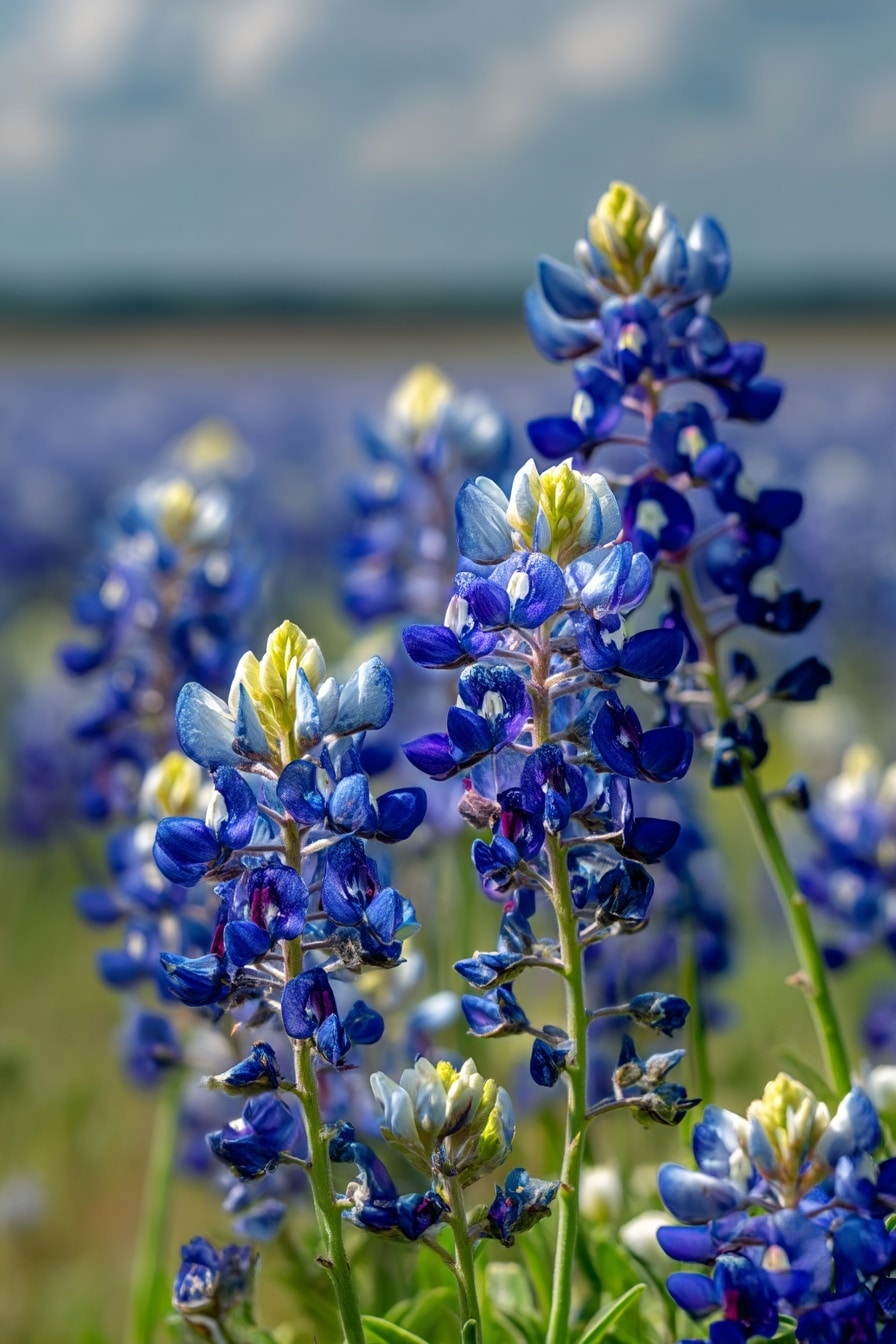
Bluebonnets are iconic wildflowers known for their vivid blue color and ability to brighten up open landscapes and home gardens alike. If you want a natural, low-maintenance display that returns year after year, learning how to grow bluebonnets properly is key. With the right timing, soil conditions, and care, bluebonnets can thrive even in simple garden spaces.
This guide covers when to plant bluebonnets, how to care for them, and practical tips to ensure strong, healthy blooms.
Table of Contents
1. Understand the Best Time to Plant Bluebonnets

Timing plays a major role in successful bluebonnets growth. These wildflowers follow a natural seasonal cycle that gardeners should match.
Ideal Planting Season
- Plant bluebonnets seeds in fall (September to November)
- This allows roots to establish before winter
- Plants grow slowly during cold months and bloom in spring
Planting bluebonnets at the right time leads to stronger plants and more vibrant flowers.
2. Choose the Right Location
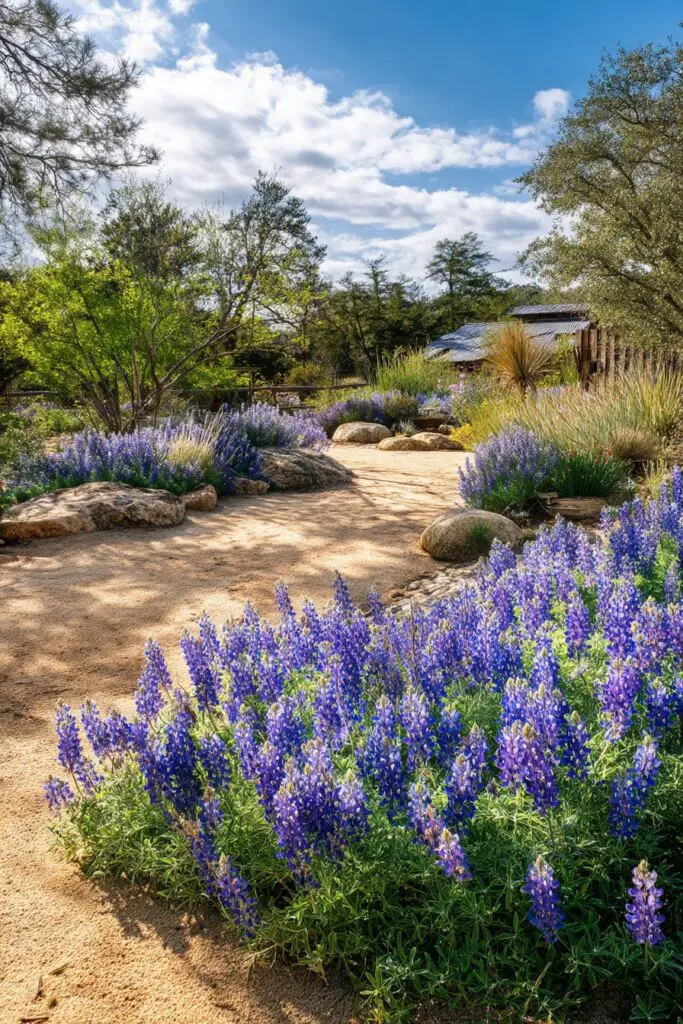
Bluebonnets need specific conditions to grow well. Choosing the correct spot makes a big difference.
Light and Soil Requirements
- Full sun is essential for healthy bluebonnets
- Well-draining soil prevents root issues
- Sandy or slightly rocky soil works best
Avoid areas with heavy clay or poor drainage, as bluebonnets prefer dry conditions.
3. Prepare Seeds for Better Germination
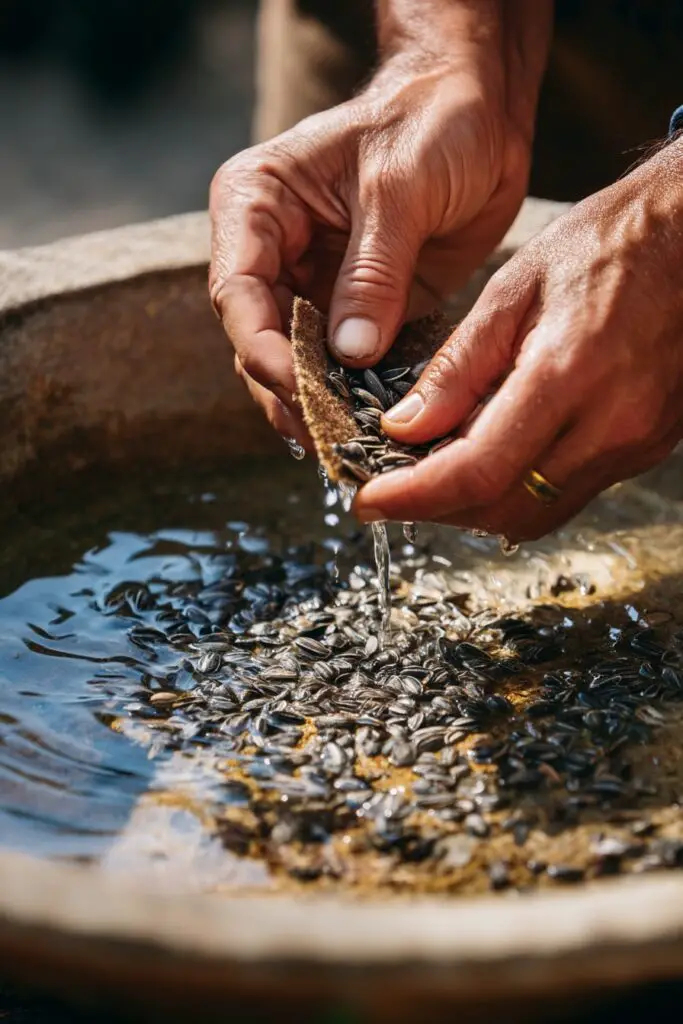
Bluebonnets seeds have a tough outer coating, which can slow germination if not handled properly.
How to Improve Germination
- Lightly scarify seeds by rubbing them with sandpaper
- Soak seeds in water overnight before planting
- Scatter seeds directly onto soil and press lightly
Proper preparation increases the chances of successful bluebonnets growth.
4. Water and Care for Bluebonnets
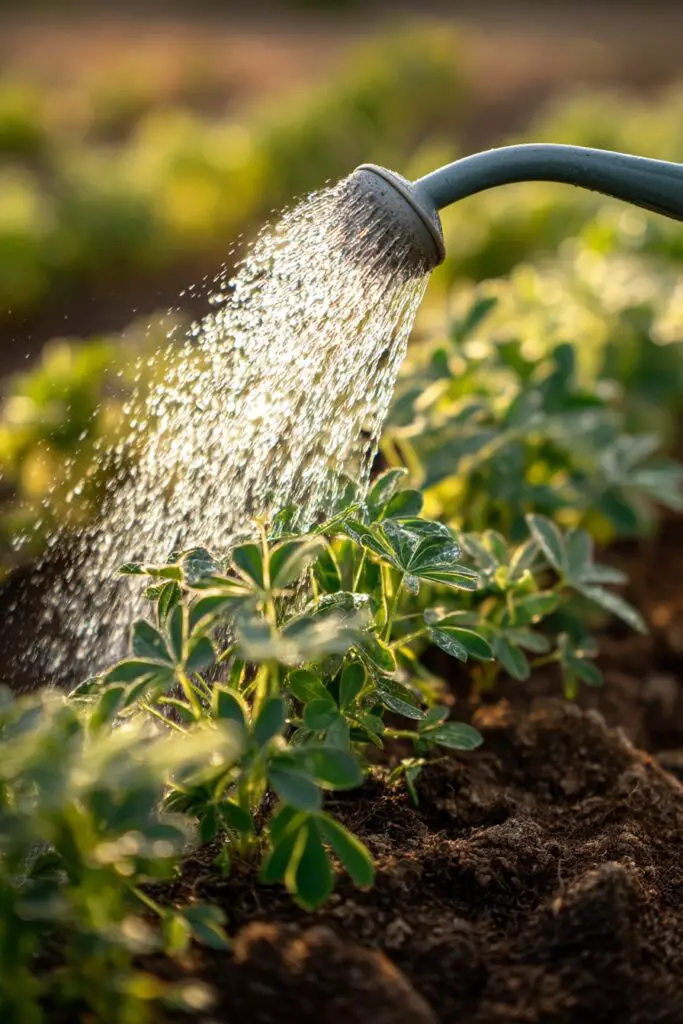
Once established, bluebonnets are relatively low-maintenance. However, early care is important.
Watering Tips
- Water lightly after planting
- Avoid overwatering, especially in winter
- Let natural rainfall handle most needs
Bluebonnets are drought-tolerant and prefer dry conditions once mature.
5. Encourage Reseeding and Natural Growth
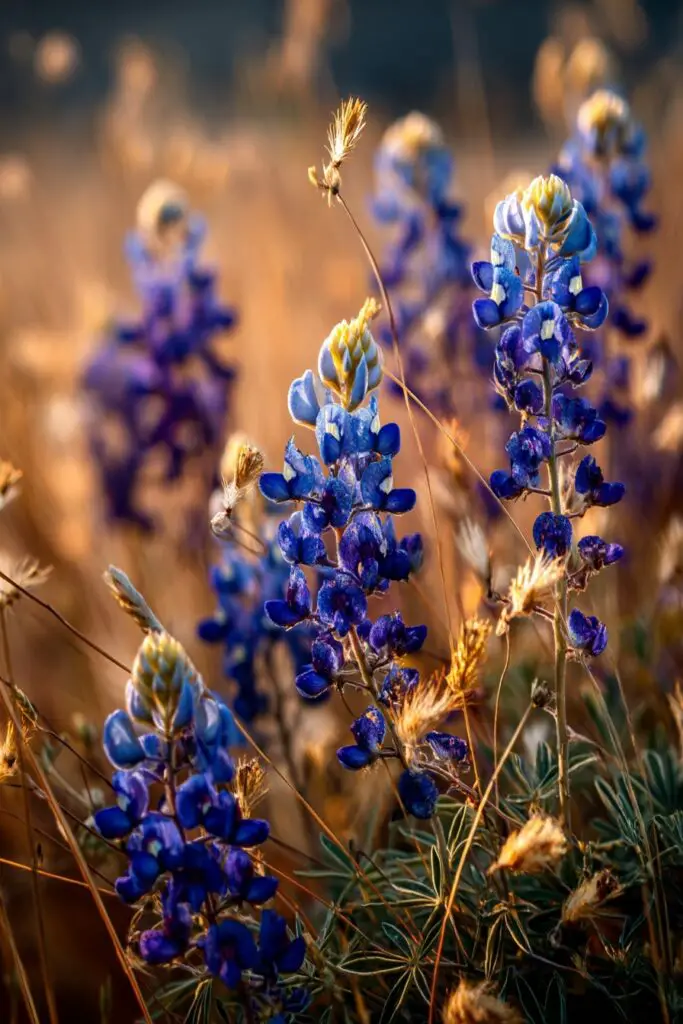
One of the best things about bluebonnets is their ability to return each year.
Reseeding Tips
- Allow flowers to fade and form seed pods
- Avoid cutting plants too early
- Let seeds fall naturally into the soil
With minimal effort, bluebonnets can create a self-sustaining display in your garden.
Conclusion
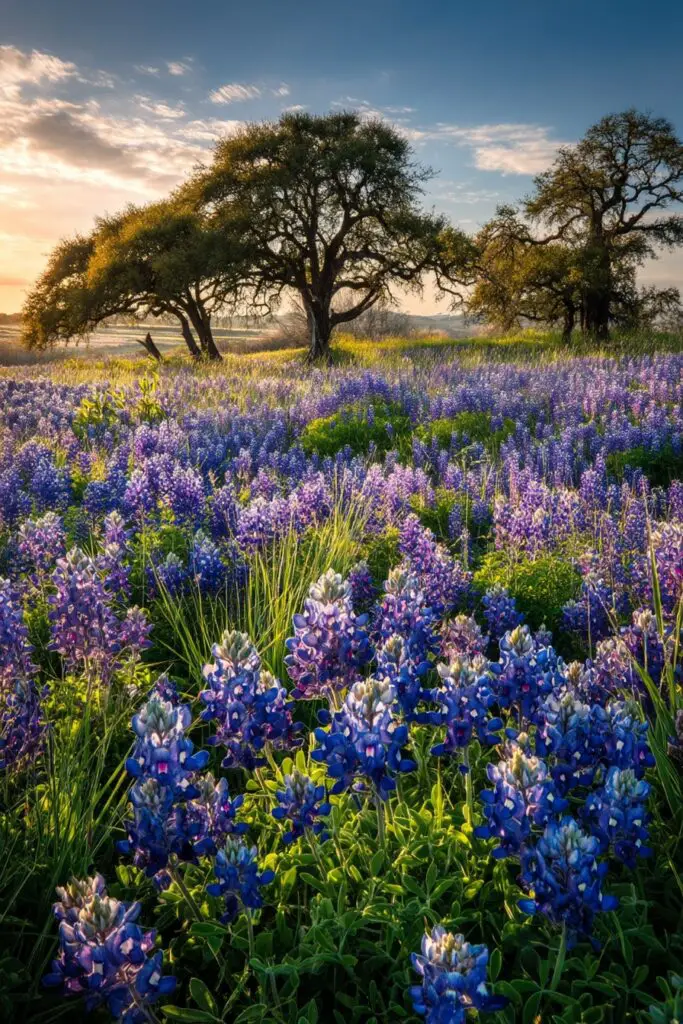
Bluebonnets are a beautiful and resilient addition to any garden when planted at the right time and in suitable conditions. By focusing on proper timing, seed preparation, and minimal care, you can enjoy vibrant blooms year after year. With their natural charm and low maintenance needs, bluebonnets are perfect for gardeners who want lasting color with little effort.