
DIY worm compost bin setups are one of the easiest and most effective ways to turn kitchen scraps into rich, organic fertilizer at home. Whether you live in a small apartment or have a backyard garden, building your own DIY worm compost bin allows you to recycle waste while improving soil health naturally.
With just a few simple materials, you can create a system that supports composting worms and produces nutrient-rich vermicompost for your plants. A well-designed DIY worm compost bin also helps reduce household waste and keeps your garden thriving year-round.
In this guide, you’ll learn five simple ways to build your own DIY worm compost bin, along with practical tips to keep it working efficiently.
Table of Contents
Why Use a DIY Worm Compost Bin?
A DIY worm compost bin is not just cost-effective—it also provides long-term benefits for your garden and environment.
Key Benefits
- Converts food scraps into nutrient-rich compost
- Reduces household waste
- Improves soil structure and fertility
- Supports sustainable gardening practices
- Works well in small spaces
With the right setup, a DIY worm compost bin can produce high-quality compost in just a few weeks.
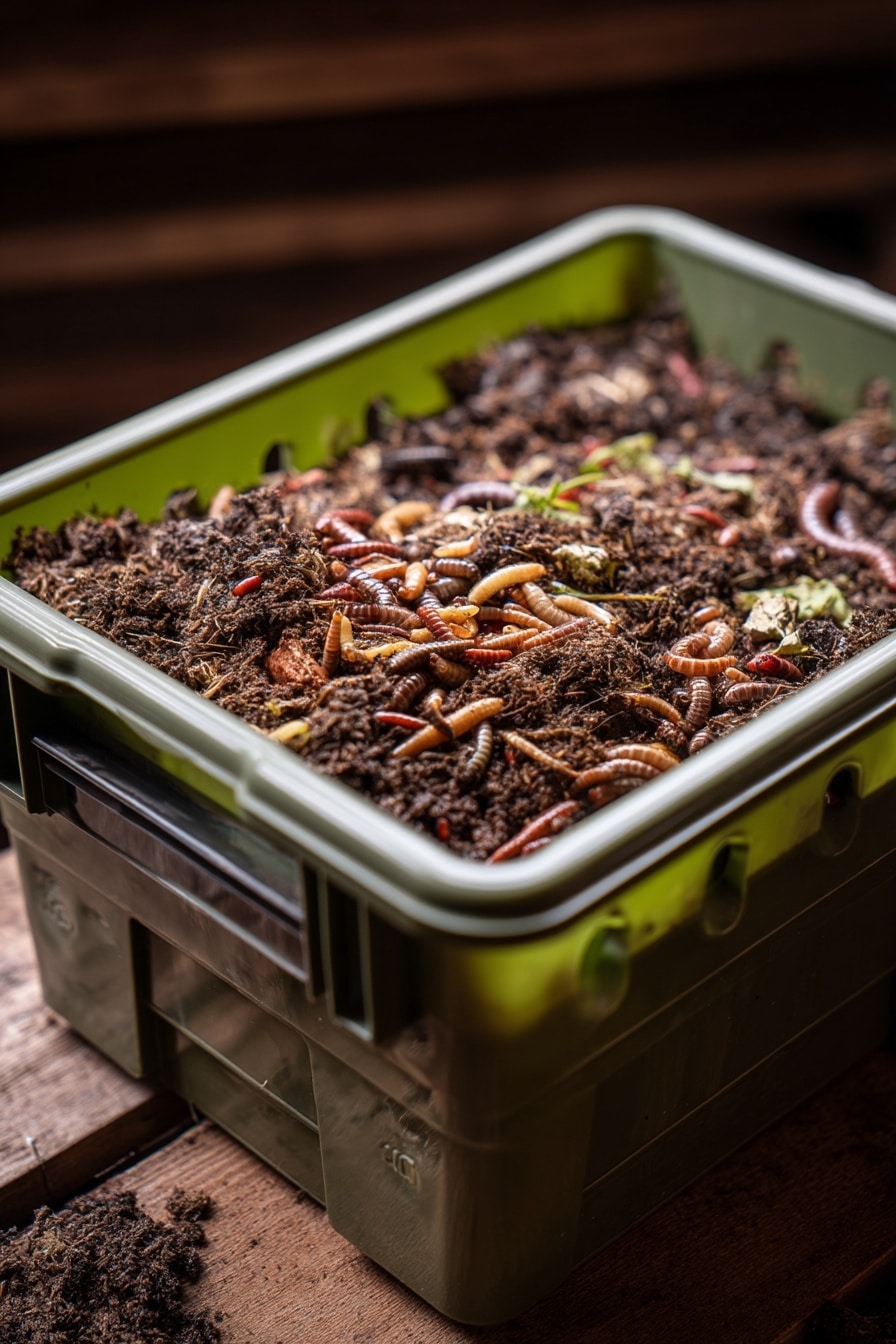
1. Plastic Storage Bin Worm Compost System

This is one of the most popular and beginner-friendly DIY worm compost bin designs.
Why It Works
- Affordable and easy to build
- Compact and space-saving
- Ideal for indoor or outdoor use
How to Build
- Drill small air holes on the sides and lid
- Add drainage holes at the bottom
- Place shredded paper or cardboard as bedding
- Introduce composting worms and food scraps
Keep the bin in a cool, shaded area to maintain moisture and temperature balance.
2. Stackable Tray Worm Bin
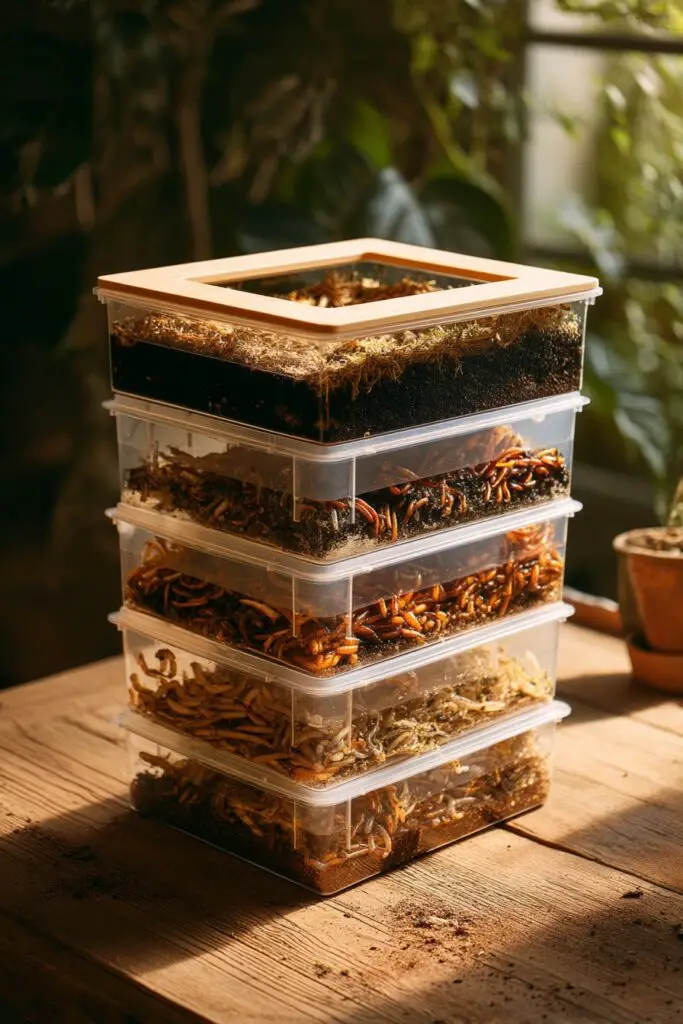
A stackable system is a more advanced DIY worm compost bin that allows continuous composting.
Benefits
- Easy separation of finished compost
- Efficient waste processing
- Scalable design
Setup Guide
- Use multiple shallow containers stacked vertically
- Drill holes between trays for worm movement
- Add fresh food to the top tray
- Harvest compost from the bottom tray
This DIY worm compost bin works well for gardeners who produce regular kitchen waste.
3. Wooden Worm Compost Bin
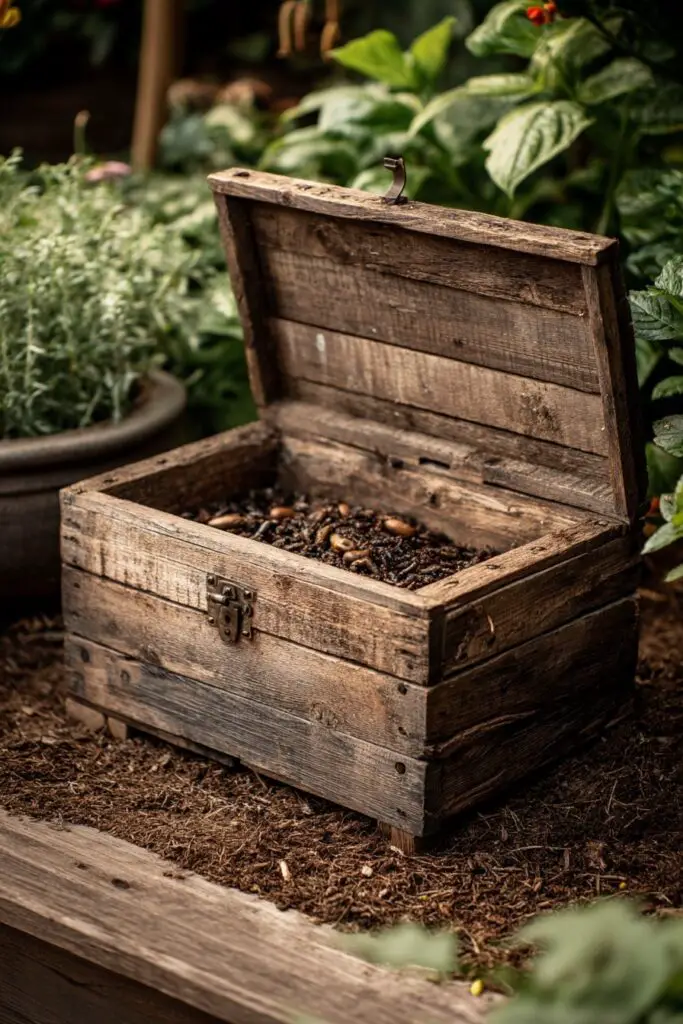
A wooden DIY worm compost bin is sturdy and blends well with outdoor gardens.
Advantages
- Durable and long-lasting
- Better insulation for worms
- Eco-friendly materials
How to Make It
- Build a wooden box with a lid
- Drill ventilation holes
- Line the bottom with mesh for drainage
- Add bedding and worms
This type of DIY worm compost bin is ideal for backyard composting setups.
4. Bucket Worm Compost Bin
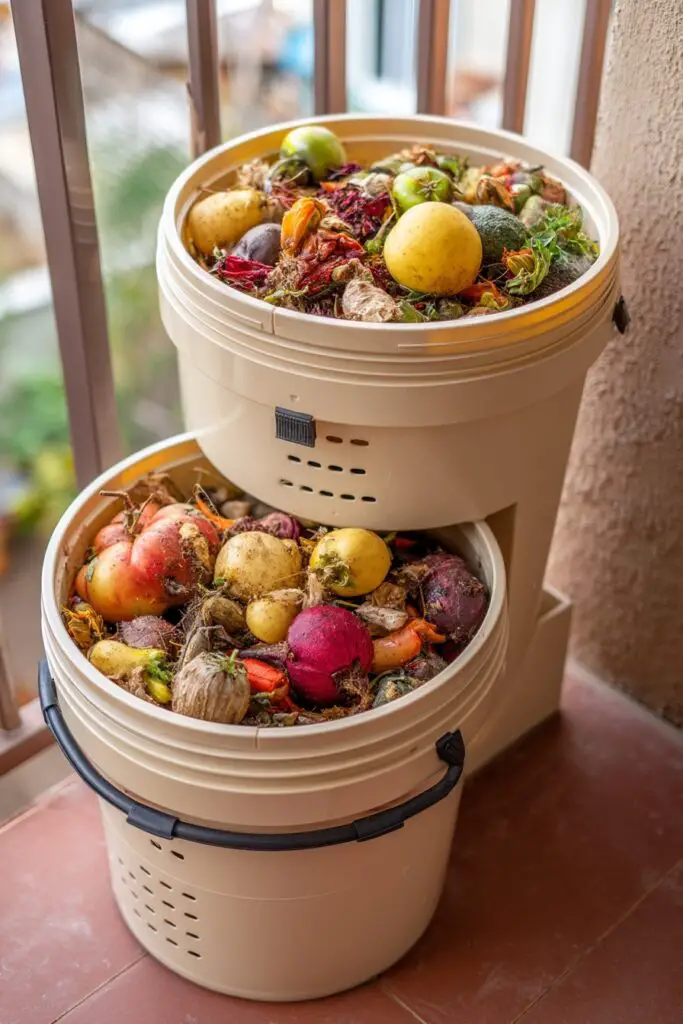
If you want something quick and portable, a bucket system is a great DIY worm compost bin option.
Why Choose This Design
- Minimal materials needed
- Easy to move
- Perfect for beginners
DIY Steps
- Use two buckets (one inside the other)
- Drill holes in the inner bucket
- Add bedding and worms
- Collect liquid compost in the bottom bucket
This compact DIY worm compost bin works well in small apartments or balconies.
5. In-Ground Worm Compost Bin
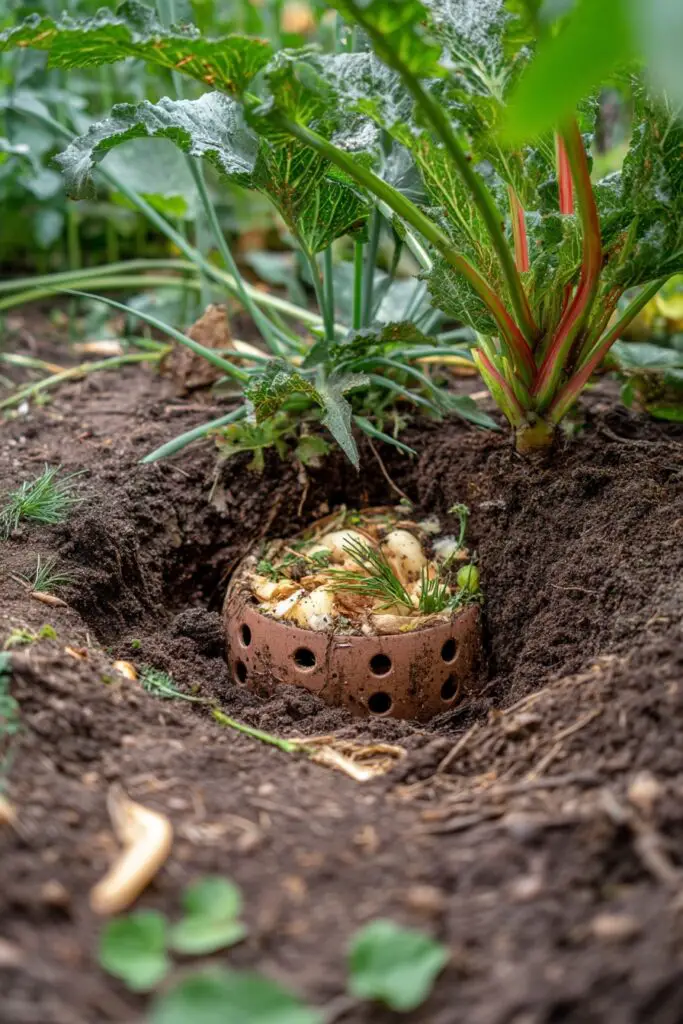
An in-ground system is a natural and low-maintenance DIY worm compost bin.
Benefits
- Directly feeds garden soil
- Requires less maintenance
- Keeps worms in a stable environment
How to Set It Up
- Dig a hole in your garden bed
- Place a perforated container into the soil
- Add food scraps and bedding
- Cover with a lid
This DIY worm compost bin allows nutrients to flow directly into surrounding plants.
Tips for Maintaining a DIY Worm Compost Bin
To keep your DIY worm compost bin healthy and productive, follow these tips:
- Feed worms small amounts regularly
- Avoid meat, dairy, and oily foods
- Maintain proper moisture (like a damp sponge)
- Keep the bin in a cool, shaded location
- Add bedding materials to balance food waste
Healthy worms will produce better compost and keep your system odor-free.
Conclusion
A DIY worm compost bin is a simple and rewarding way to turn everyday kitchen waste into valuable compost. Whether you choose a plastic bin, bucket system, or in-ground setup, each method offers a practical solution for sustainable gardening.
Start with a design that fits your space and needs, and you’ll soon have a steady supply of nutrient-rich compost to support healthy plant growth.