
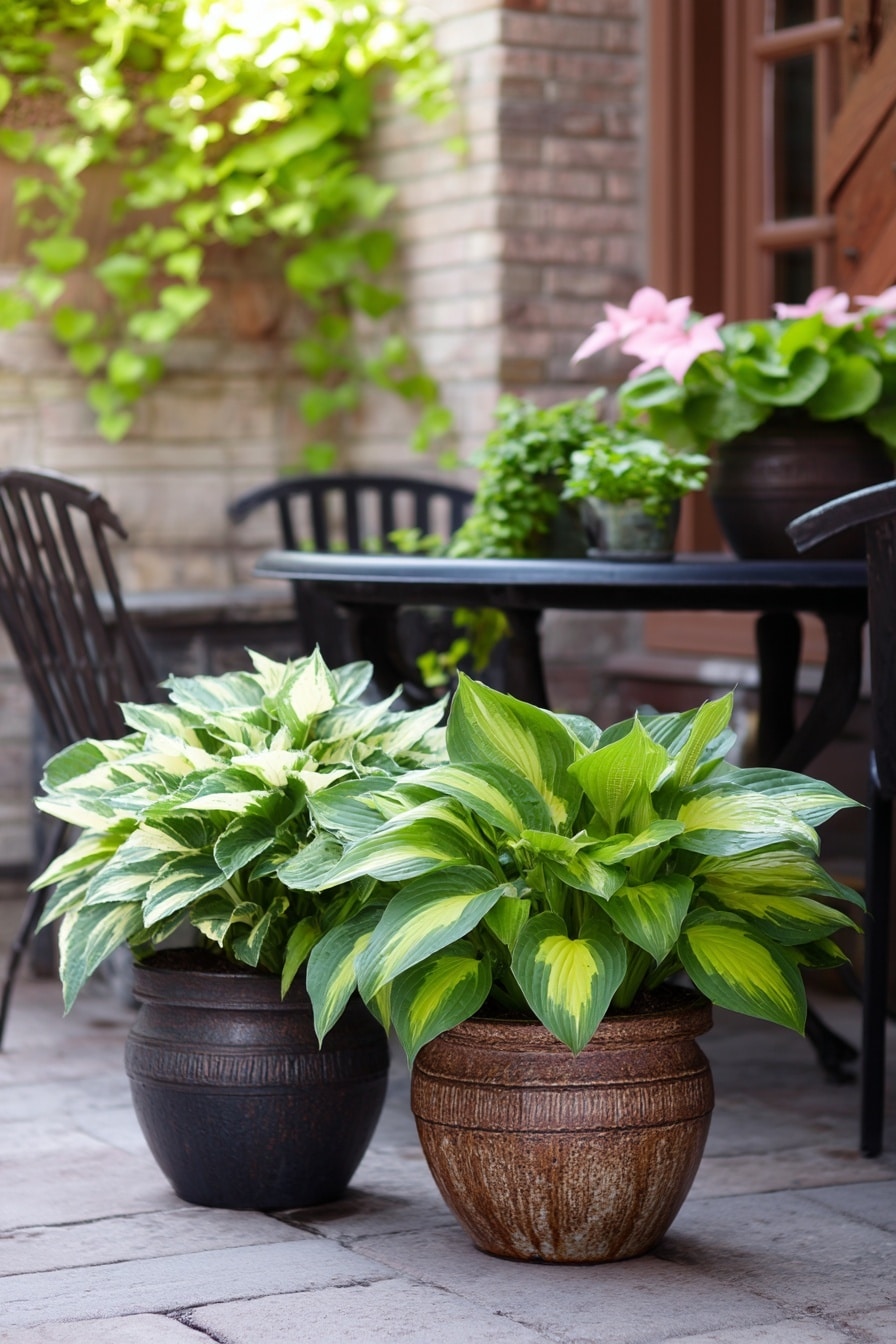

Hostas are one of the most reliable and visually pleasing plants you can add to a garden, especially if you’re working with shaded spaces. Known for their lush foliage and wide range of colors, hostas bring texture, depth, and calm structure to outdoor areas. Whether you have a small backyard or a larger landscape, using hostas thoughtfully can elevate the overall design without demanding too much maintenance.
In this guide, you’ll learn practical ways to design with hostas, from layering techniques to combining them with other plants. These ideas will help you create a balanced and attractive garden that thrives season after season.
Table of Contents
1. Use Hostas as a Ground Cover

Hostas work beautifully as a natural ground cover, especially in shady or partially shaded areas where grass struggles to grow. Their broad leaves spread outward, helping to suppress weeds while creating a soft, uniform look.
When planting hostas as ground cover:
- Choose varieties that spread well over time
- Space them properly to allow full growth
- Add mulch to retain moisture and improve soil health
This approach works well under trees, along shaded pathways, or in areas where you want a clean, low-maintenance finish.
2. Create Layered Garden Beds

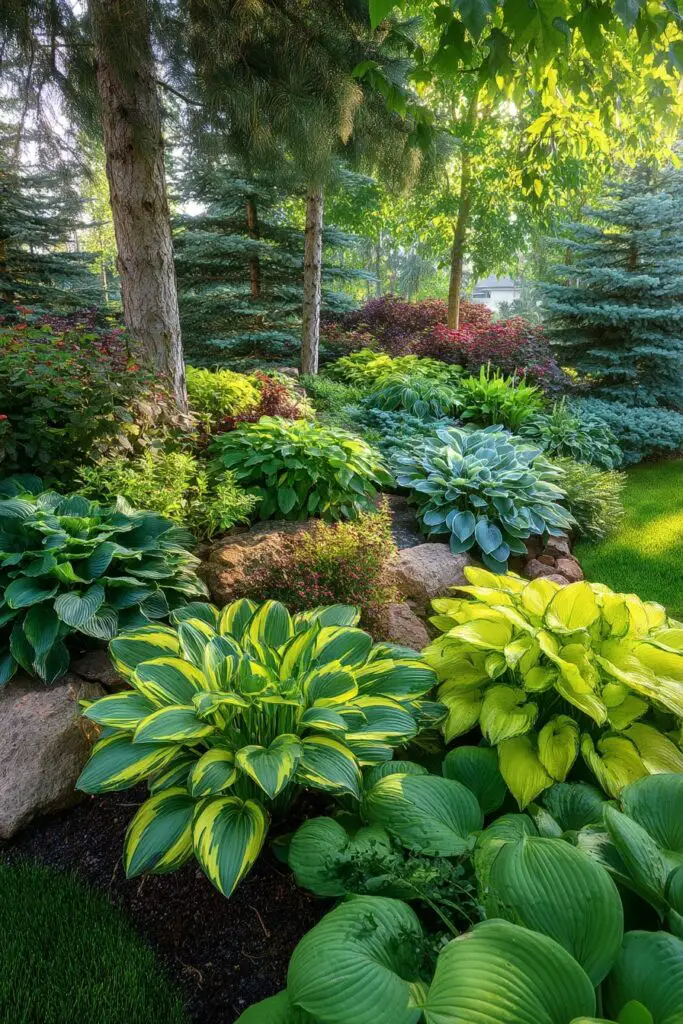
Layering is a simple way to make your garden feel more dynamic, and hostas are perfect for this. Their varying sizes allow you to build depth without overcrowding.
Try this layering technique:
- Place larger hostas at the back
- Use medium varieties in the middle
- Add smaller hostas or companion plants in front
This creates a natural flow and ensures every plant gets enough visibility and light. Mixing leaf shapes and shades—like deep green, blue-green, or variegated hostas—adds even more interest.
3. Pair Hostas With Companion Plants

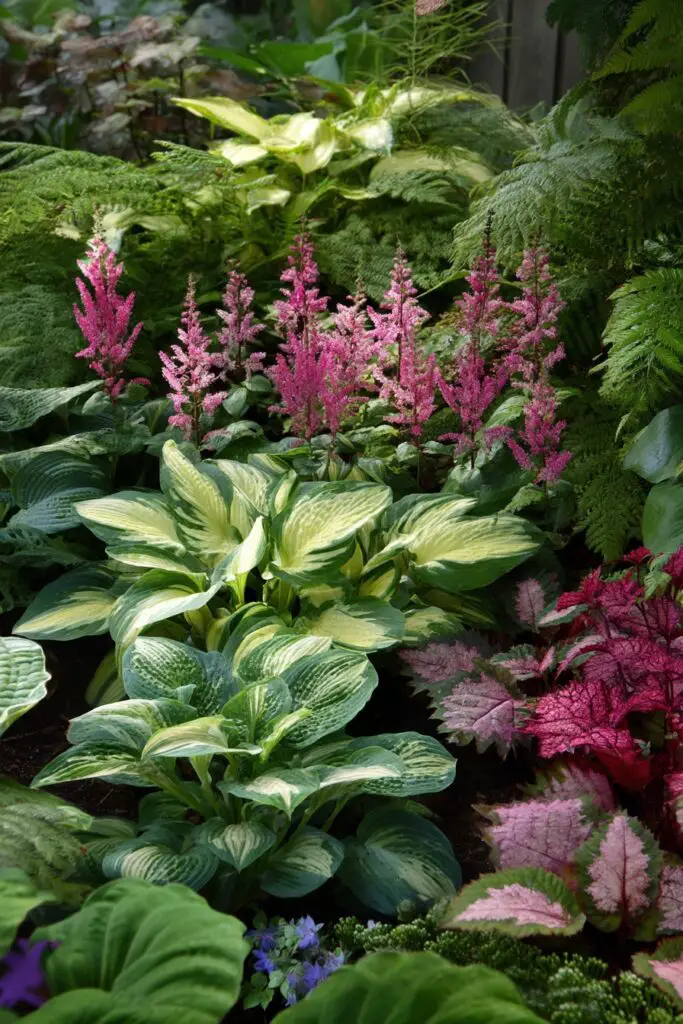
Hostas shine even brighter when paired with the right companions. Combining different textures and heights creates contrast and keeps your garden from looking flat.
Good companion plants for hostas include:
- Ferns for a soft, woodland feel
- Heuchera for colorful foliage contrast
- Astilbe for vertical blooms
- Ornamental grasses for movement
When pairing plants, consider leaf size, color, and growth habits. The goal is to create balance rather than competition.
4. Use Hostas in Containers
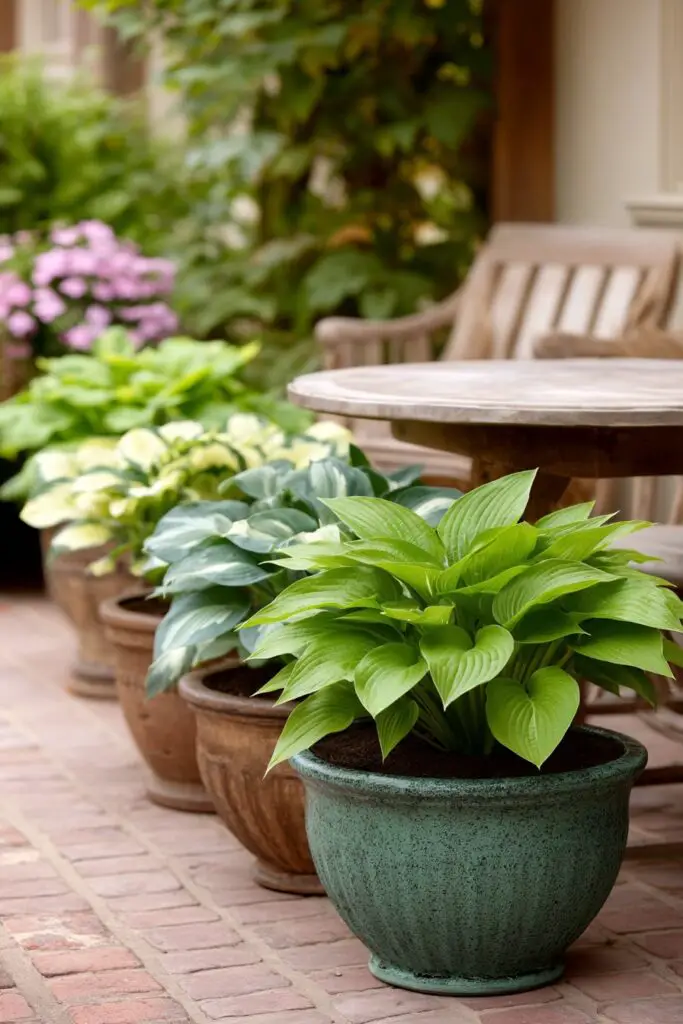
If you’re short on space or want flexibility, growing hostas in containers is a great option. They adapt well to pots and can be moved around to suit changing light conditions.
Tips for container planting:
- Use well-draining soil
- Choose pots with drainage holes
- Keep soil consistently moist but not soggy
- Place containers in partial to full shade
Container-grown hostas are ideal for patios, balconies, or entryways, adding greenery where in-ground planting isn’t possible.
5. Highlight Garden Edges and Borders

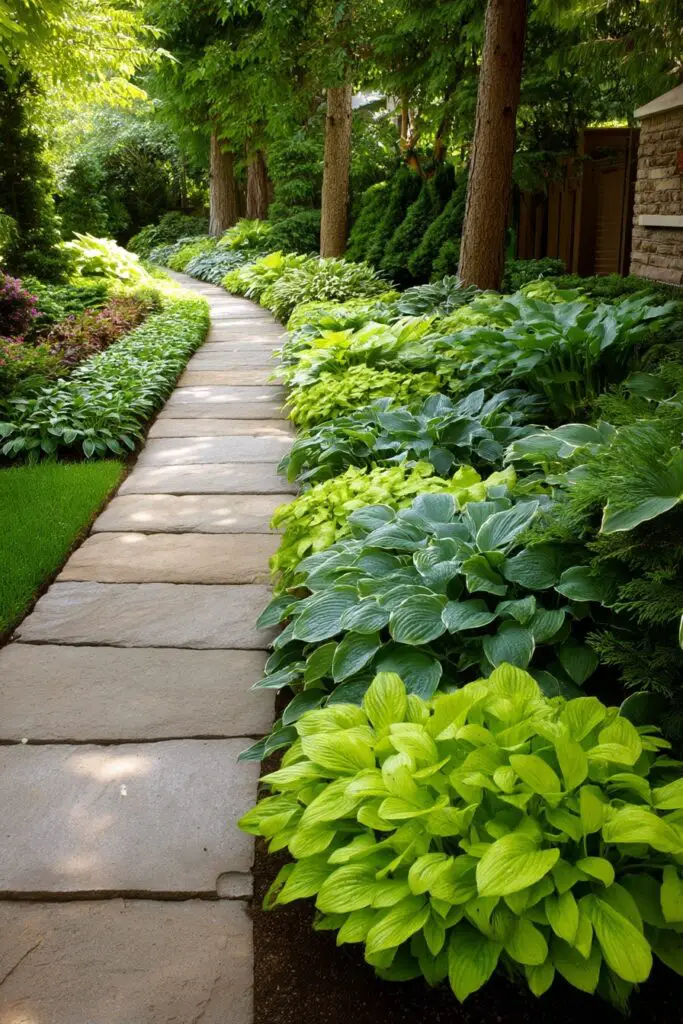
Hostas are excellent for defining edges and borders. Their neat, mounded shape creates a clean line that guides the eye through your garden.
Use hostas along:
- Walkways
- Flower bed borders
- Fence lines
- Water features
Mixing different hosta varieties along borders can create a layered, textured edge that feels both organized and natural.
Conclusion
Hostas are a dependable choice for gardeners who want beauty without constant upkeep. By using hostas as ground cover, layering them in beds, pairing them with complementary plants, placing them in containers, and defining borders, you can build a garden that feels cohesive and inviting. With thoughtful placement and care, hostas can transform even the shadiest corners into standout features.