
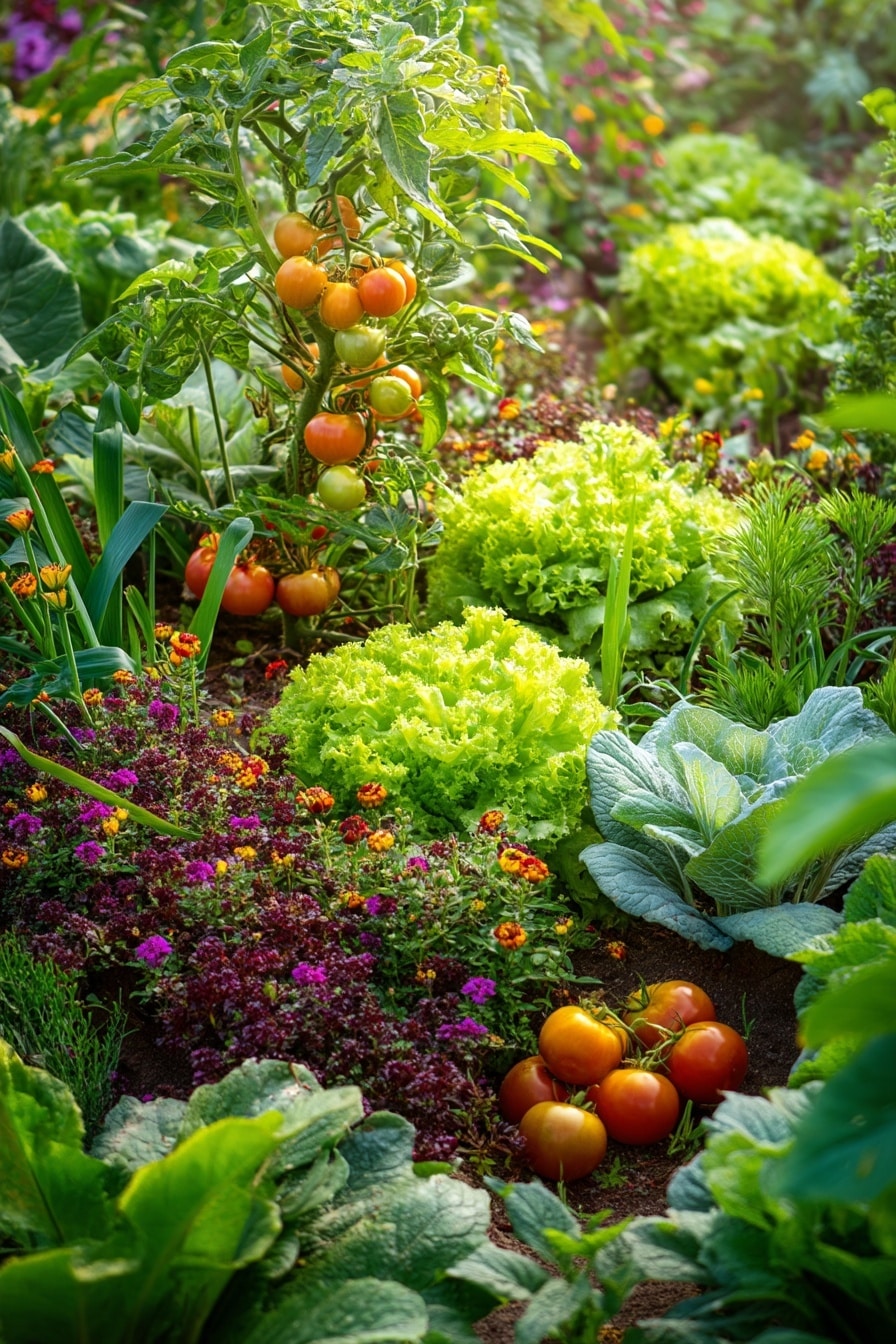
Small vegetable gardens can be just as productive and beautiful as larger spaces when designed thoughtfully. Even with limited room, you can grow fresh, healthy produce by using smart layouts and vertical techniques.
Many gardeners assume they need a big yard to grow vegetables, but small vegetable gardens prove otherwise. With the right approach, you can turn a balcony, patio, or compact backyard into a thriving food-growing space.
This guide shares five practical and inspiring ideas to help you make the most of your small vegetable gardens while keeping them organized, efficient, and easy to maintain.
Table of Contents
Why Small Vegetable Gardens Work So Well
Small vegetable gardens offer several advantages, especially for beginners or those with limited outdoor space.
Key Benefits
- Easier to manage and maintain
- Requires less water and fewer resources
- Ideal for urban and suburban homes
- Encourages better plant care and monitoring
- Maximizes productivity in tight areas
Because everything is within reach, small vegetable gardens often lead to healthier plants and better yields.
1.Raised Bed Small Vegetable Gardens

Raised beds are one of the most effective ways to structure small vegetable gardens.
Why Raised Beds Work
- Improve soil quality and drainage
- Keep plants organized
- Reduce weed growth
How to Set It Up
Use wood, metal, or recycled materials to create compact beds. Keep the width narrow so you can reach all plants easily without stepping on the soil.
This method works especially well for leafy greens, herbs, and root crops.
2.Vertical Small Vegetable Gardens
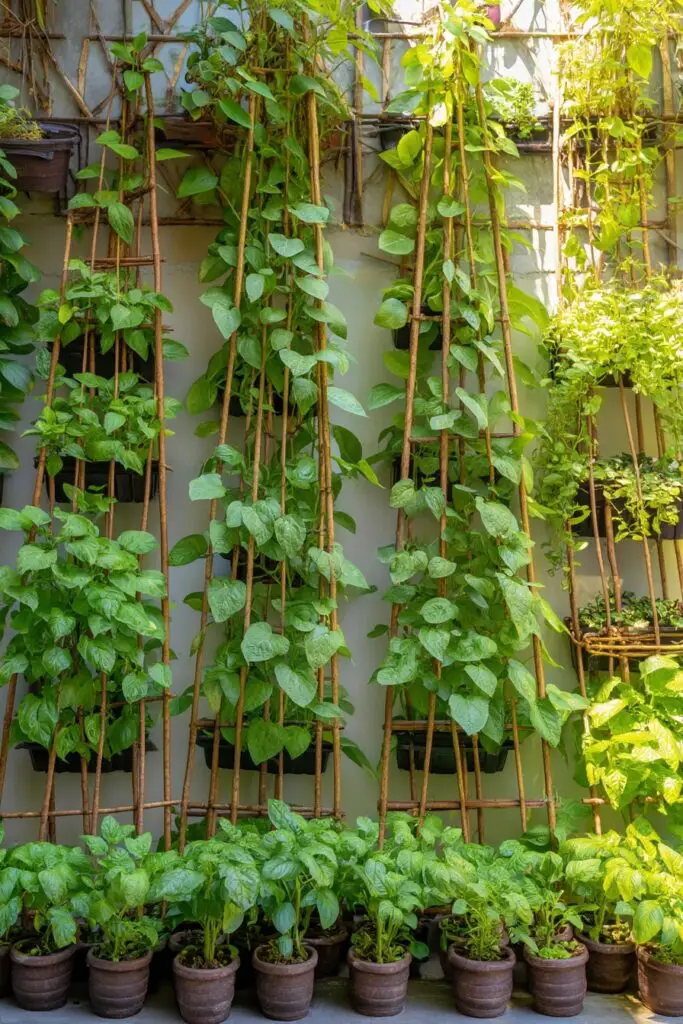
Vertical growing is essential for maximizing small vegetable gardens.
Benefits of Going Vertical
- Saves ground space
- Improves airflow
- Makes harvesting easier
Easy Ideas
- Use trellises for beans and cucumbers
- Install wall planters for herbs
- Hang containers for trailing plants
Vertical structures allow small vegetable gardens to produce more without overcrowding.
3.Container Small Vegetable Gardens
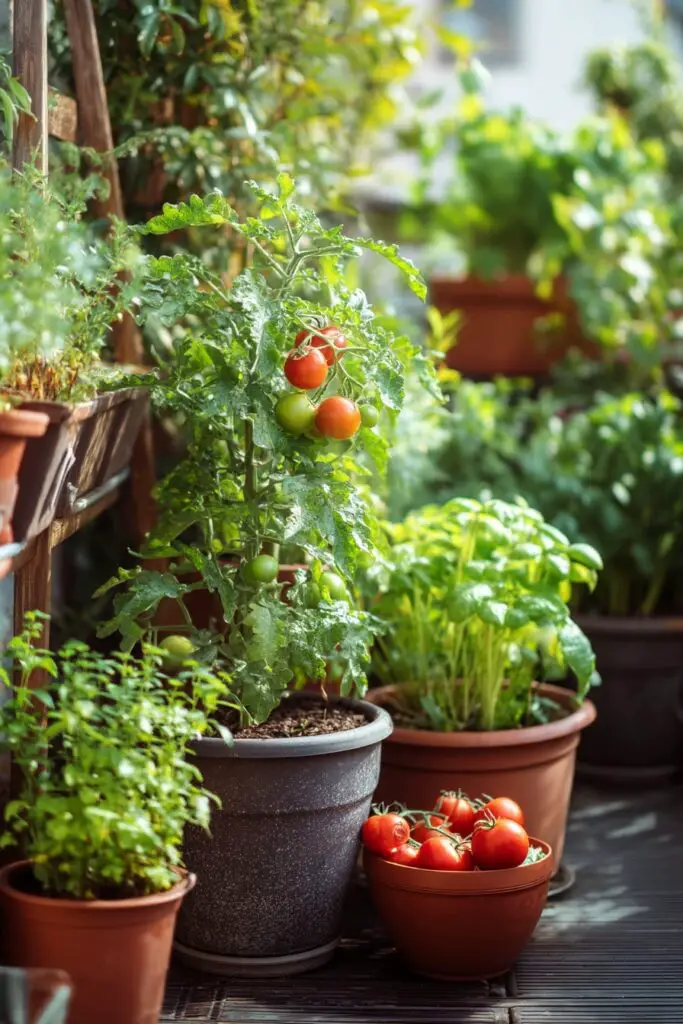
Containers are perfect for flexible small vegetable gardens.
Why Containers Are Useful
- Easy to move and rearrange
- Ideal for patios and balconies
- Works with limited soil space
What to Grow
Tomatoes, peppers, lettuce, and herbs all thrive in containers when given enough sunlight and proper watering.
Choose pots with drainage holes and use high-quality soil for best results.
4.Square Foot Small Vegetable Gardens
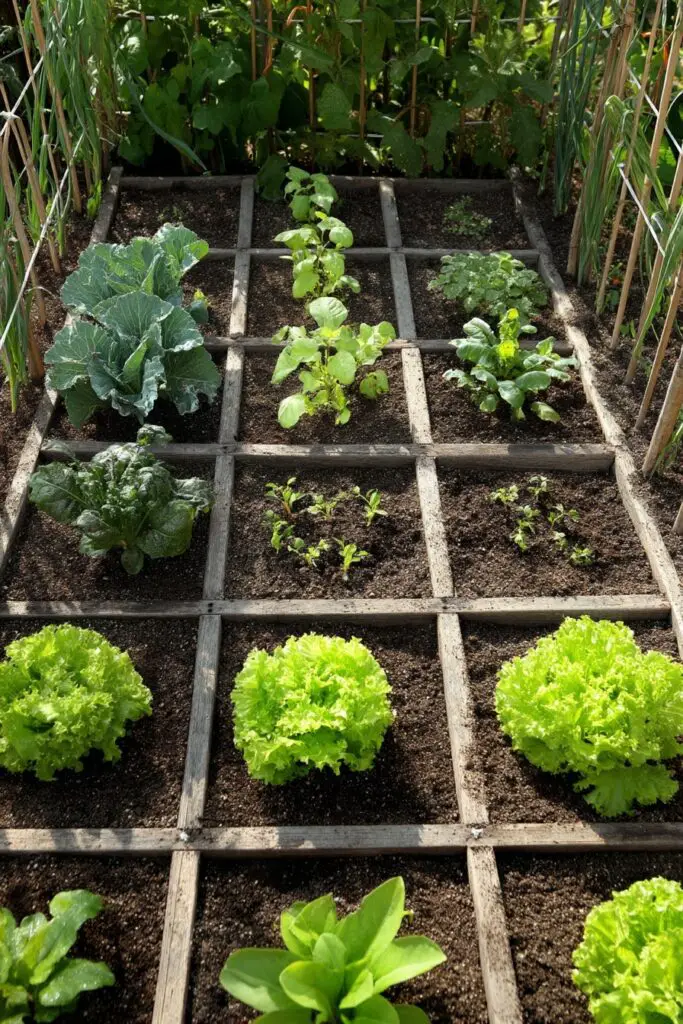
Square foot gardening is a structured approach that works very well in small vegetable gardens.
Key Advantages
- Maximizes planting density
- Keeps layout organized
- Reduces wasted space
How It Works
Divide your garden bed into equal squares and assign each square a specific crop. This makes planning and crop rotation much easier.
Small vegetable gardens benefit greatly from this method because every inch is used efficiently.
5.Mixed Planting Small Vegetable Gardens
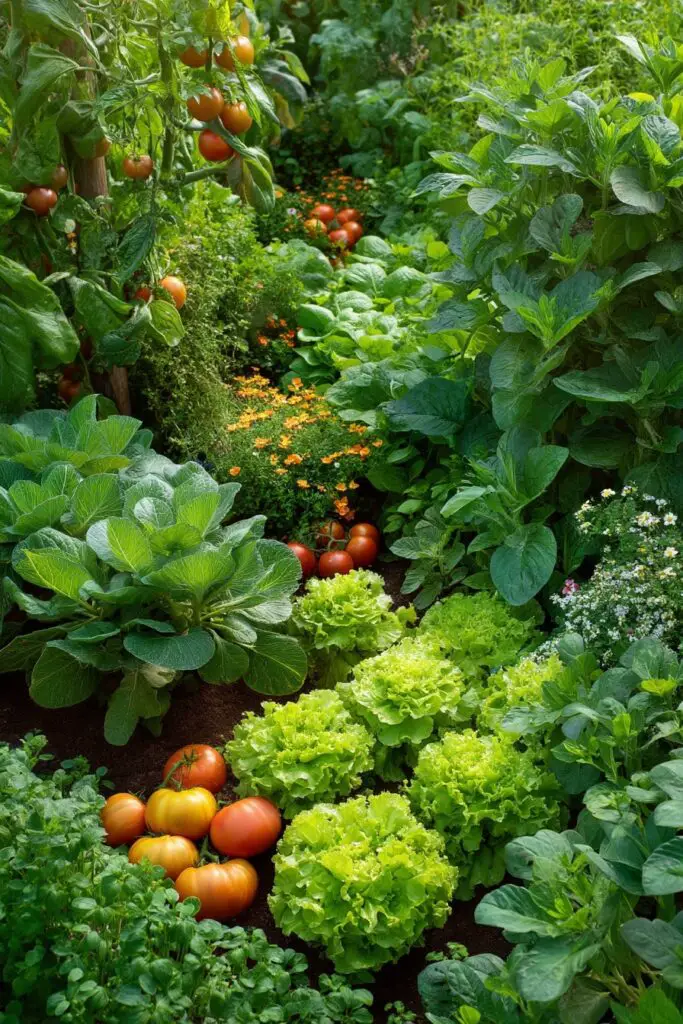
Mixing crops together is a smart way to boost productivity in small vegetable gardens.
Why It Works
- Improves biodiversity
- Reduces pest problems
- Makes better use of space
Simple Combinations
- Tomatoes with basil
- Carrots with onions
- Lettuce between larger plants
This approach keeps small vegetable gardens productive and visually appealing.
Tips to Maximize Small Vegetable Gardens
To get the best results, follow these simple strategies:
- Choose compact or dwarf varieties
- Use vertical supports whenever possible
- Water consistently but avoid overwatering
- Rotate crops to maintain soil health
- Harvest regularly to encourage growth
Conclusion
Small vegetable gardens offer a practical and rewarding way to grow fresh food in limited spaces. With the right techniques—like raised beds, vertical growing, and container planting—you can create a productive garden almost anywhere.
Start with one or two of these ideas and adjust based on your space and needs. Over time, your small vegetable gardens can become a reliable source of fresh produce and a relaxing outdoor space.