
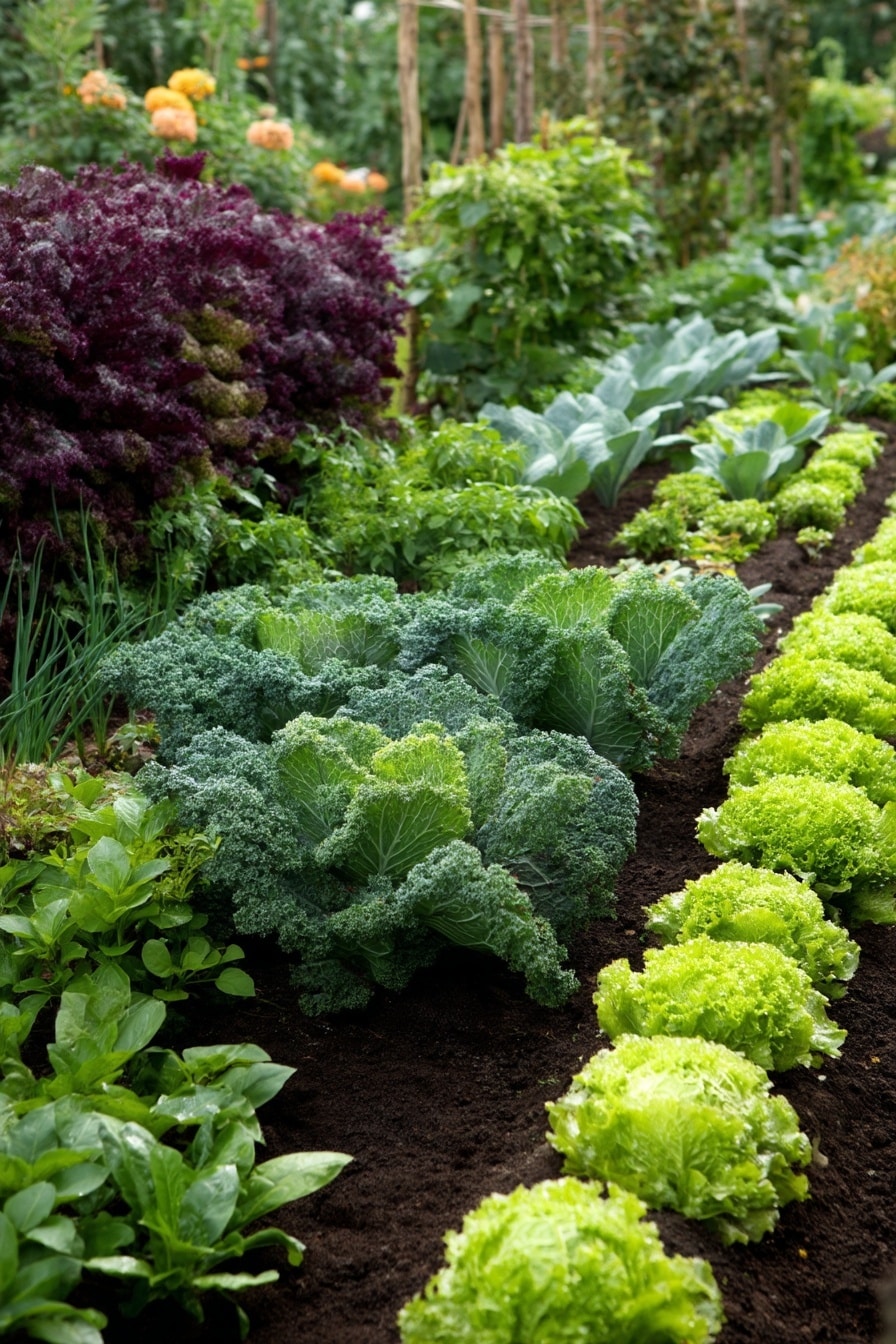
Companion planting is a natural gardening technique that pairs plants together to enhance growth, attract beneficial insects, and improve yields. If you’ve been overwhelmed by complex charts or confusing plant pairings, you’re in the right place. Companion planting doesn’t need to be restrictive. In fact, you can create an effective planting plan with just a few simple guidelines. Here are six easy steps to help you create your own companion planting plans.
Table of Contents
1. Categorize Your Plants for Easy Grouping

Start by organizing your plants into four categories: herbs, flowers, growing season, and size. This step makes it easier to match compatible plants and determine where each plant should go in your garden.
- Herbs: Plants like basil, cilantro, and thyme can benefit neighboring crops by enhancing flavor and repelling pests.
- Flowers: Marigolds, nasturtiums, and sunflowers not only brighten your garden but also attract pollinators and beneficial insects.
- Growing Season: Know whether you’re in the cool, warm, or hot season, as plants thrive under specific temperature ranges.
- Size: Categorize plants as small, medium, or large to ensure you space them correctly and avoid overcrowding.
By organizing your plants in this way, you can easily identify which species will work together best.
2. Start with Herbs and Flowers Along the Border
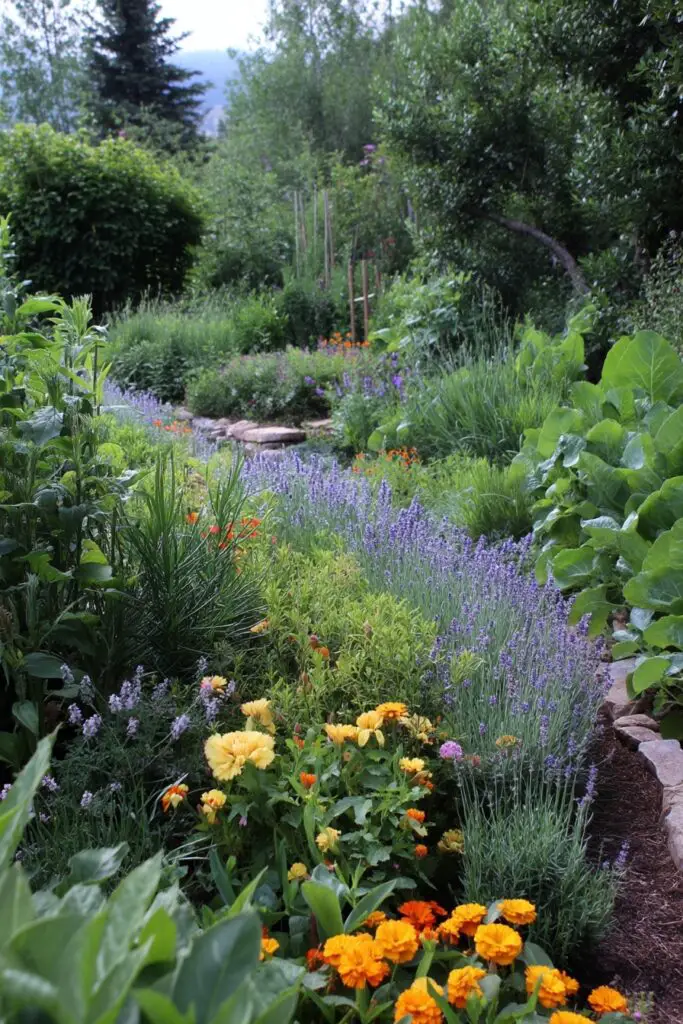
The perimeter of your garden beds is a great place for herbs and flowers. These plants act as natural pest deterrents and protect your main crops. Herbs like lavender and rosemary repel pests with their strong scent, while flowers such as marigolds attract beneficial insects like ladybugs and bees.
Choosing low-growing herbs and flowers for the edges ensures they won’t block sunlight from your fruiting plants. This simple strategy creates a protective barrier while also encouraging healthy growth.
3. Pick Small, Medium, and Large Plants for Each Season
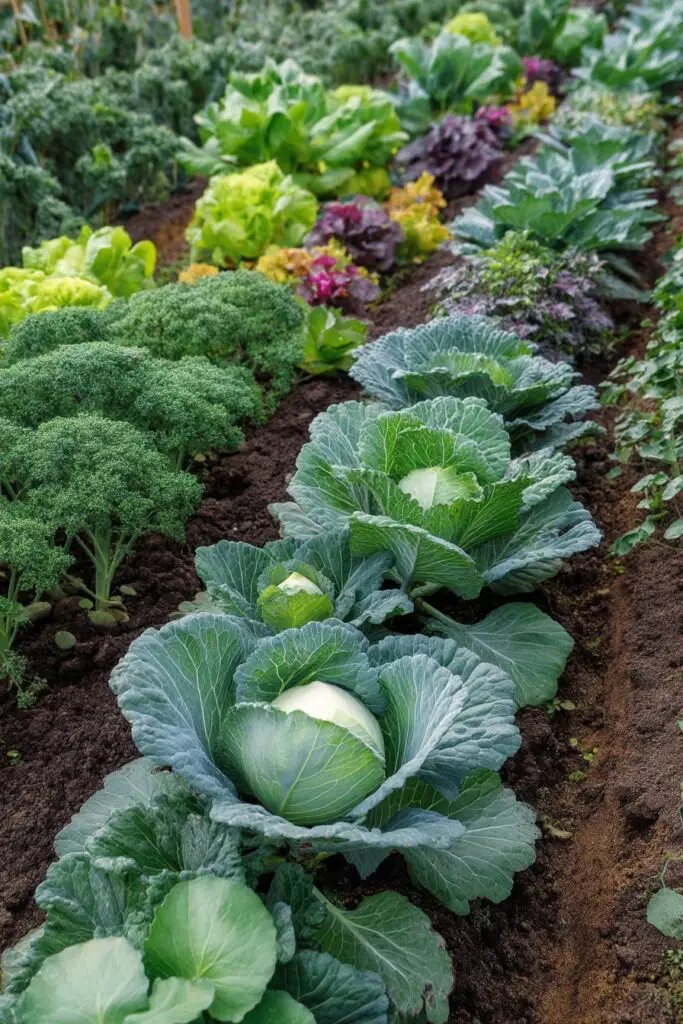
Knowing your growing season is essential for selecting the right plants. For example, during the cool season, you can grow frost-tolerant plants like spinach and peas. In the warm season, tomatoes, peppers, and beans thrive. By categorizing plants based on their size and growing season, you’ll maximize your garden’s potential.
- Small plants: Radishes, lettuce, and herbs can be planted together as they require less space.
- Medium plants: Kale, parsley, and bush beans thrive in the warm season and need more room to grow.
- Large plants: Things like cabbage, broccoli, and squash should be spaced out to allow for their larger growth.
4. Position Large Plants First
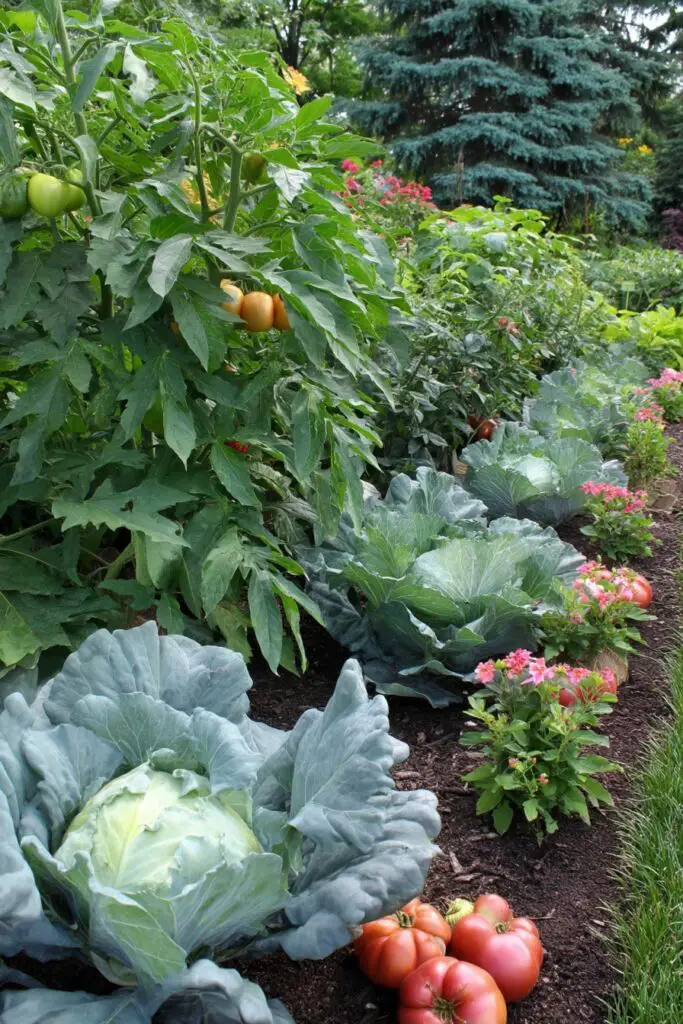
Once you’ve categorized your plants, begin by placing large plants like tomatoes, peppers, and cabbage at the center of your garden beds. These plants need space and often grow taller than others. Consider their height when placing them to avoid blocking sunlight for smaller plants.
- For example, a tall sugar snap pea can be placed near a sturdy trellis, while a bushy cabbage should be at the garden’s center.
This step ensures the larger plants don’t overshadow the others, creating a harmonious garden layout.
5. Add Medium-Size Plants Around the Large Ones
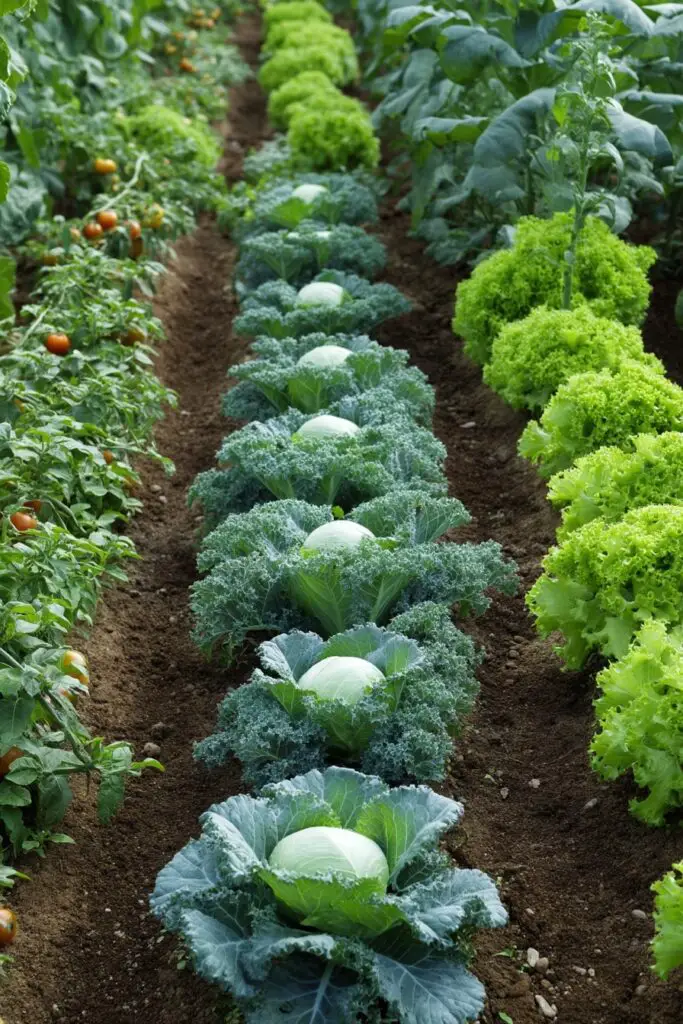
After positioning the larger plants, fill in with medium-sized plants like celery and kale. These plants don’t need as much space but can thrive in the spaces between your larger crops. Their strategic placement helps fill gaps while supporting the growth of the surrounding plants.
By ensuring that medium-sized plants are appropriately spaced, you prevent crowding, allowing each plant to flourish.
6. Fill in with Small Plants
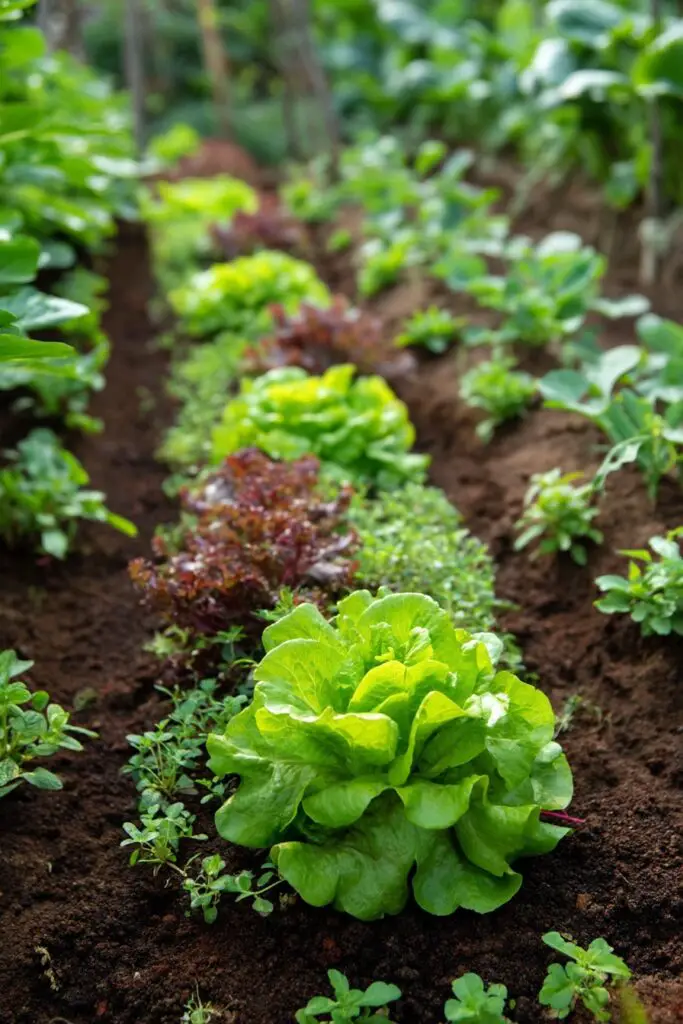
Finally, place your small plants like lettuce, herbs, and radishes around the edges or between larger plants. These crops typically grow quickly and help fill in the spaces, improving the overall appearance and productivity of your garden.
Small plants often help maintain a balanced ecosystem in your garden, drawing in pollinators and providing ground cover to retain moisture in the soil.
Conclusion
Companion planting is a simple yet powerful method to enhance your garden’s productivity and health. By following these six easy steps—categorizing plants, starting with herbs and flowers, selecting plants by season and size, and strategically placing them—you can create a garden that thrives. With companion planting, your plants will not only grow better together but also work in harmony to boost your harvest.