
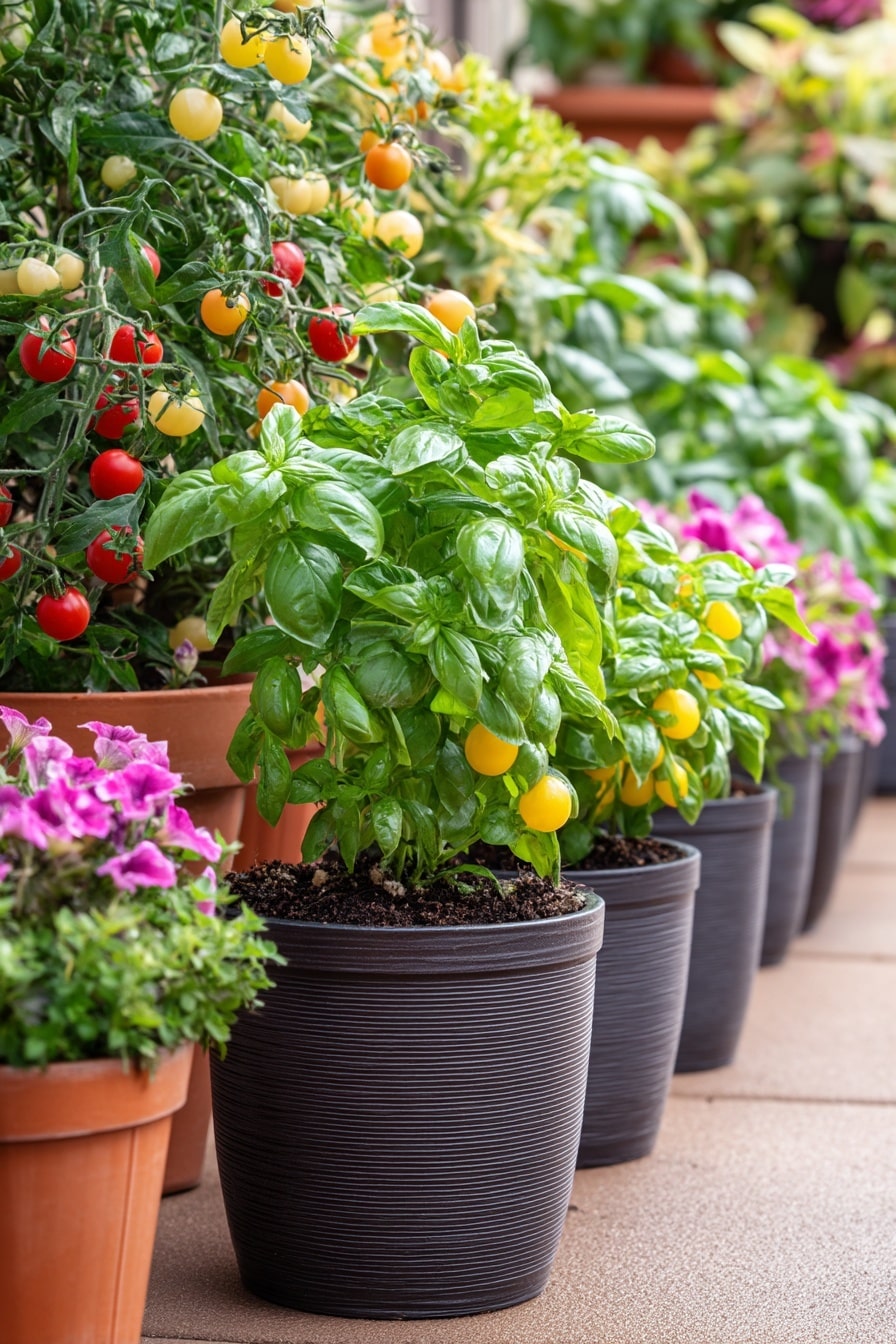
Container gardening is a flexible way to grow plants in pots, boxes, tubs, or any portable container rather than planting directly in the ground. This approach lets gardeners of all skill levels grow flowers, herbs, vegetables, and even small fruit trees in spaces where traditional gardens aren’t possible—like balconies, patios, or sunny windowsills.
You don’t need a backyard to enjoy lush greenery or fresh produce. With the right containers, potting mix, and basic care routine, container gardening brings the joys of gardening to city apartments, small patios, and limited outdoor spaces alike
Table of Contents
Container Gardening Basics

Container gardening works by growing plants in movable containers filled with potting mix instead of planting them in the ground. This method allows you to control soil quality, drainage, and placement more easily than traditional gardening.
At its core, container gardening requires three essentials:
- A container with proper drainage
- High-quality potting mix
- The right plant for the space
Unlike garden soil, potting mix is lighter and designed to drain well. Good drainage prevents roots from sitting in water, which can cause rot.
Choosing the Right Containers
Containers come in many materials, and each affects container gardening differently.
- Terracotta – Breathable but dries out quickly
- Plastic – Lightweight and retains moisture longer
- Wood – Natural look, good insulation
- Metal – Modern appearance but heats up faster
No matter the material, drainage holes are critical. Without them, container gardening often fails due to excess moisture.
Selecting the Right Soil
Regular garden soil is too dense for container gardening. Instead, use a potting mix designed for containers. It provides better airflow and root development.
Some mixes are formulated for specific plants, such as vegetables or succulents. Matching the mix to the plant increases your success rate.
Container gardening gives you control over soil conditions, which makes it especially helpful in areas with poor native soil.
Benefits of Container Gardening
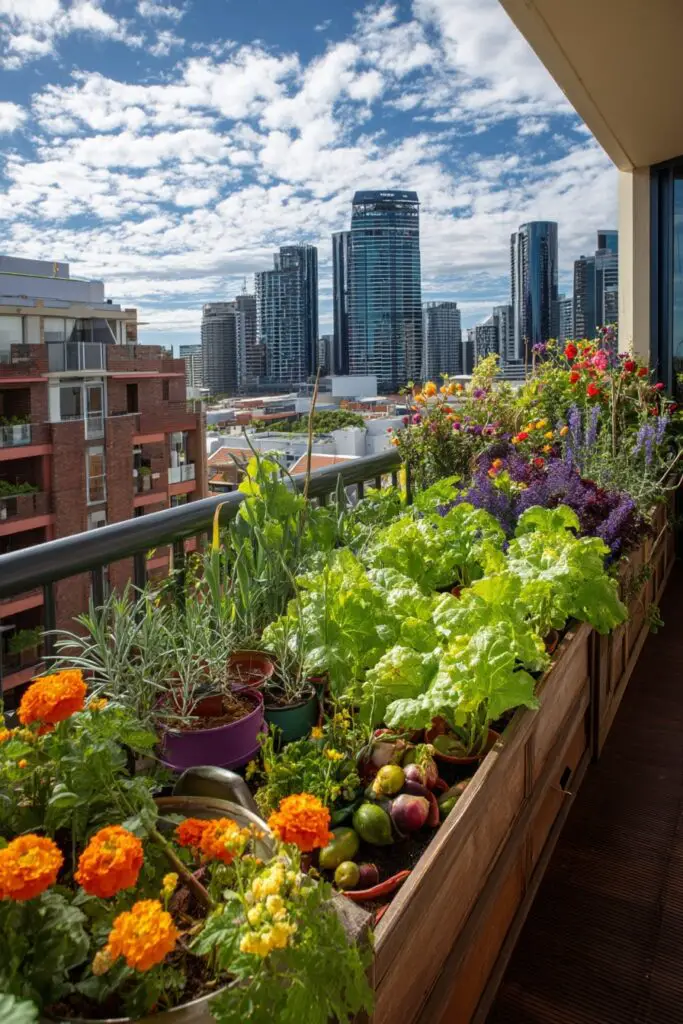
Container gardening offers flexibility that traditional in-ground planting cannot match. Because plants grow in movable pots, you can adjust placement based on sunlight, weather, or design preferences.
One major advantage of container gardening is space efficiency. Even a small balcony or doorstep can support herbs, flowers, or vegetables when arranged thoughtfully.
Ideal for Small Spaces
If you don’t have a yard, container gardening makes it possible to grow plants almost anywhere:
- Apartment balconies
- Rooftops
- Patios
- Window sills
This method turns unused corners into productive green spaces.
Better Control Over Growing Conditions
Container gardening allows you to control:
- Soil type
- Drainage
- Water levels
- Fertilizer application
This control reduces the risk of soil-borne diseases and weeds. It also makes it easier to tailor growing conditions to specific plants.
Easier Maintenance
Because container gardening keeps plants contained, tasks like pruning, watering, and pest monitoring become more manageable. You won’t need to bend over large garden beds, and weeds are far less common.
For beginners, container gardening provides a low-risk way to build confidence before expanding into larger garden projects.
Best Plants for Container Gardening
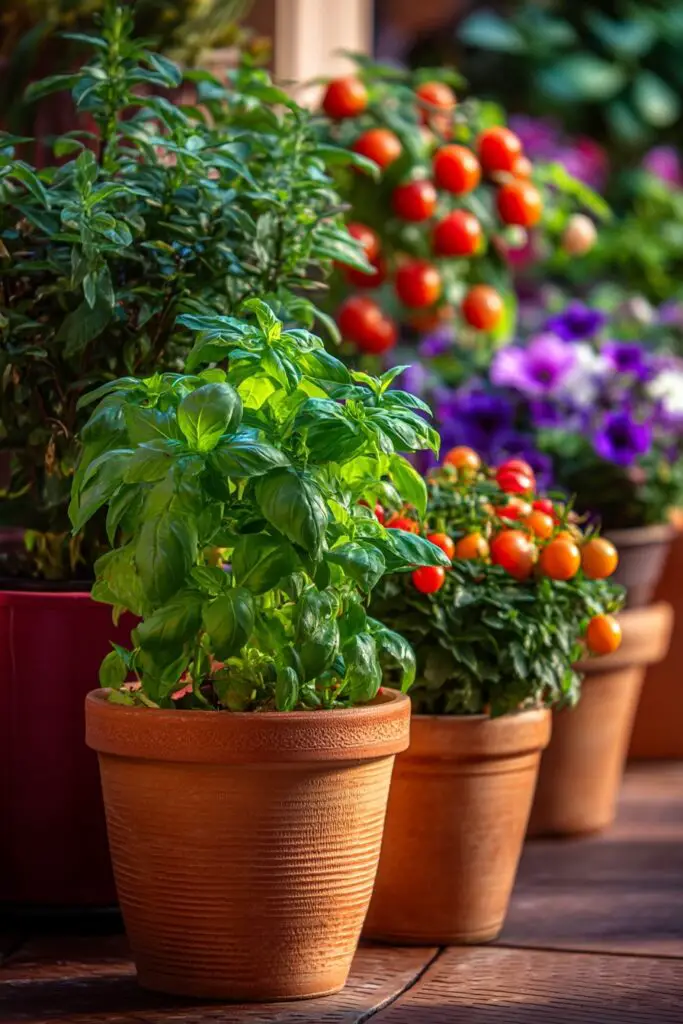
Container gardening works well with a wide range of plants, but choosing varieties that adapt to limited root space will give you better results. Some plants naturally thrive in pots and continue producing with proper care.
Herbs and Leafy Greens
Herbs are among the easiest options for container gardening. Their compact root systems and frequent harvesting needs make them ideal for pots.
Good choices include:
- Basil
- Mint
- Parsley
- Thyme
- Chives
Leafy greens such as lettuce and spinach also perform well in shallow containers.
If your site includes a guide like How to Start a Herb Garden, this would be a strong internal link opportunity.
Vegetables for Containers
Many vegetables adapt surprisingly well to container gardening, especially compact or dwarf varieties.
Top performers:
- Cherry tomatoes
- Peppers
- Bush beans
- Radishes
Look for labels that say “patio” or “compact” when selecting seeds or seedlings.
Flowers and Ornamentals
Container gardening isn’t limited to edibles. Flowering plants add color and structure to patios and entryways.
Popular options include:
- Petunias
- Geraniums
- Marigolds
- Calibrachoa
Mixing flowers with herbs or vegetables creates both beauty and function in your container gardening setup.
Tips for Successful Container Gardening
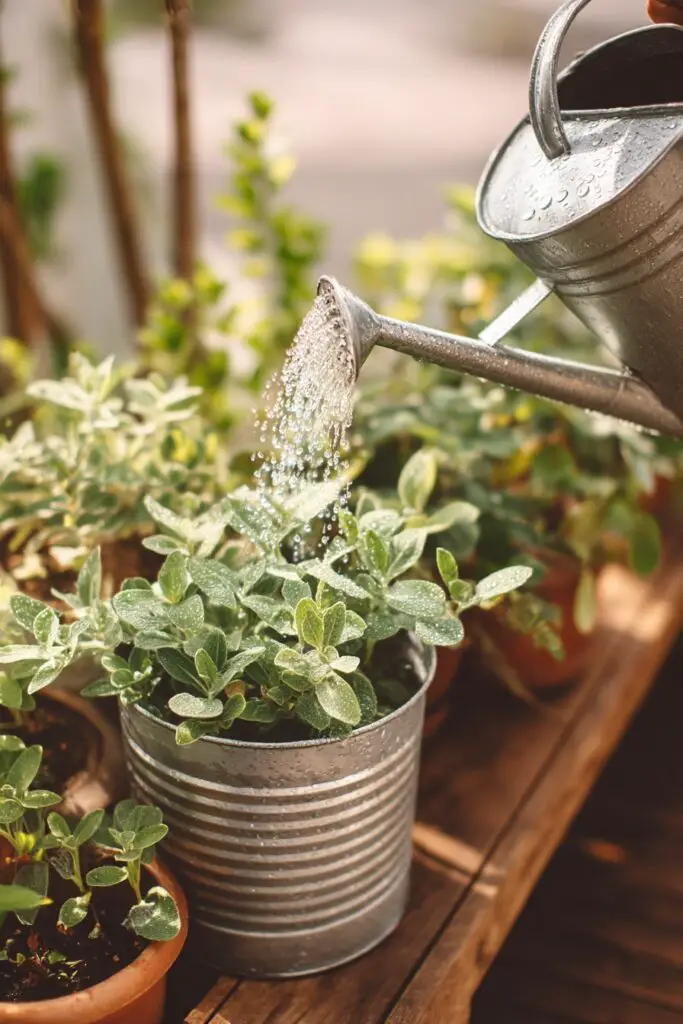
Container gardening becomes more productive when you follow a few simple practices. Because plants rely entirely on the environment you create inside the pot, consistency matters.
Watering Properly
Container gardening often requires more frequent watering than in-ground gardens. Pots dry out faster, especially in hot or windy conditions.
To manage moisture effectively:
- Check soil daily during warm weather
- Water deeply until it drains from the bottom
- Avoid letting pots sit in standing water
Smaller containers dry out quicker than large ones, so size influences your watering schedule.
Fertilizing Regularly
Nutrients wash out of containers more quickly. Container gardening benefits from light, consistent feeding.
- Use a balanced liquid fertilizer every 2–4 weeks
- Follow label instructions carefully
- Avoid over-fertilizing, which can damage roots
Healthy feeding keeps plants productive throughout the growing season.
Ensuring Proper Sunlight
Most vegetables and flowering plants in container gardening need at least 6 hours of direct sunlight.
If light conditions change:
- Rotate containers
- Move pots to brighter areas
- Use plant stands to elevate sun-loving plants
The flexibility of container gardening makes adjusting placement simple.
Seasonal Care and Maintenance in Container Gardening
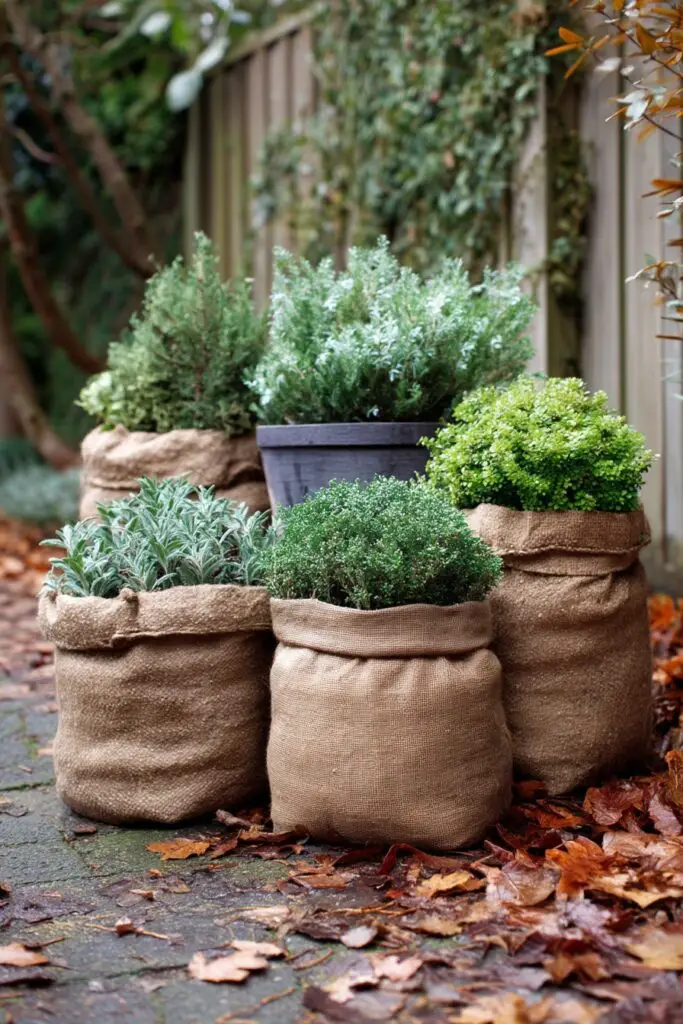
Container gardening requires small adjustments as seasons change. Because pots are exposed on all sides, roots are more sensitive to temperature shifts than plants in the ground.
Summer Care
During hot months, container gardening may require:
- More frequent watering
- Mulching the soil surface to retain moisture
- Moving pots out of intense afternoon sun
Heat builds up quickly in containers, especially dark-colored ones.
Fall and Winter Protection
In cooler climates, container gardening needs extra protection. Roots can freeze faster in pots than in garden beds.
To protect plants:
- Move containers to a sheltered area
- Wrap pots with burlap or insulation
- Bring tender plants indoors
Perennial plants in container gardening often survive winter better when grouped together to reduce exposure.
Final Thoughts on Container Gardening
Container gardening is a practical and flexible way to grow plants in small or challenging spaces. By choosing suitable containers, using quality potting mix, watering consistently, and adjusting for seasonal changes, you can build a thriving garden almost anywhere.
Whether you’re growing herbs on a windowsill or vegetables on a patio, container gardening makes fresh, homegrown plants accessible to beginners and experienced gardeners alike.