
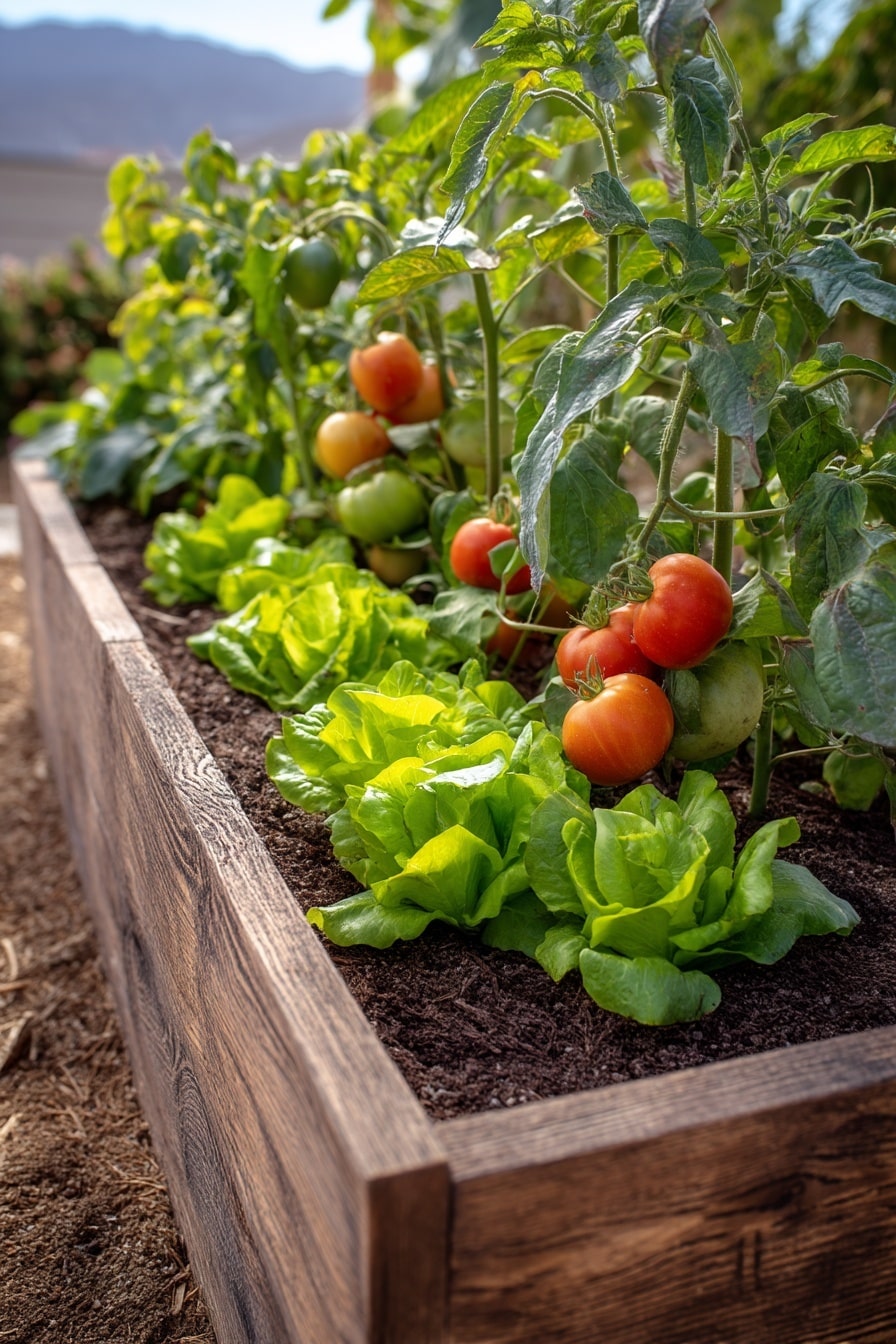
Garden bed layout decisions can determine how productive, organized, and visually balanced your growing space becomes. Whether you’re working with a small patio or a spacious backyard, the right garden bed layout helps you maximize yields while keeping maintenance manageable.
A thoughtful garden bed layout improves plant spacing, sunlight exposure, and access for watering and harvesting. Instead of randomly placing crops, you’ll create a structured plan that supports healthy growth and efficient use of space.
In this guide, you’ll find three practical garden bed layout options designed for different space sizes and gardening goals. Each layout includes planting suggestions and structural tips to help you start confidently.
Table of Contents
1. Small and Moveable Garden Bed Layout

A compact option is perfect if you’re just starting or working with limited space. This type of garden bed layout typically measures around 3×3 feet or 4×4 feet and can even be built on wheels for flexibility.
A small garden bed layout works well for patios, balconies, or tight backyard corners. Because the footprint is limited, crop selection and spacing become especially important.
Ideal Structure
For this garden bed layout:
- Keep the width under 4 feet for easy reach from both sides
- Use high-quality soil mix for strong root growth
- Avoid overcrowding to prevent competition
Raised sides help retain soil and improve drainage, making this layout efficient and beginner-friendly.
Suggested Planting Plan
A small garden bed layout benefits from intentional grouping. Consider dividing the bed into squares for organized planting.
Example planting combination:
- Leafy greens in one section
- Compact tomatoes or peppers in another
- Herbs along the edges
- Root vegetables in remaining squares
This approach supports crop rotation and keeps your garden bed layout productive throughout the season.
2. Medium and Ready-to-Go Garden Bed Layout
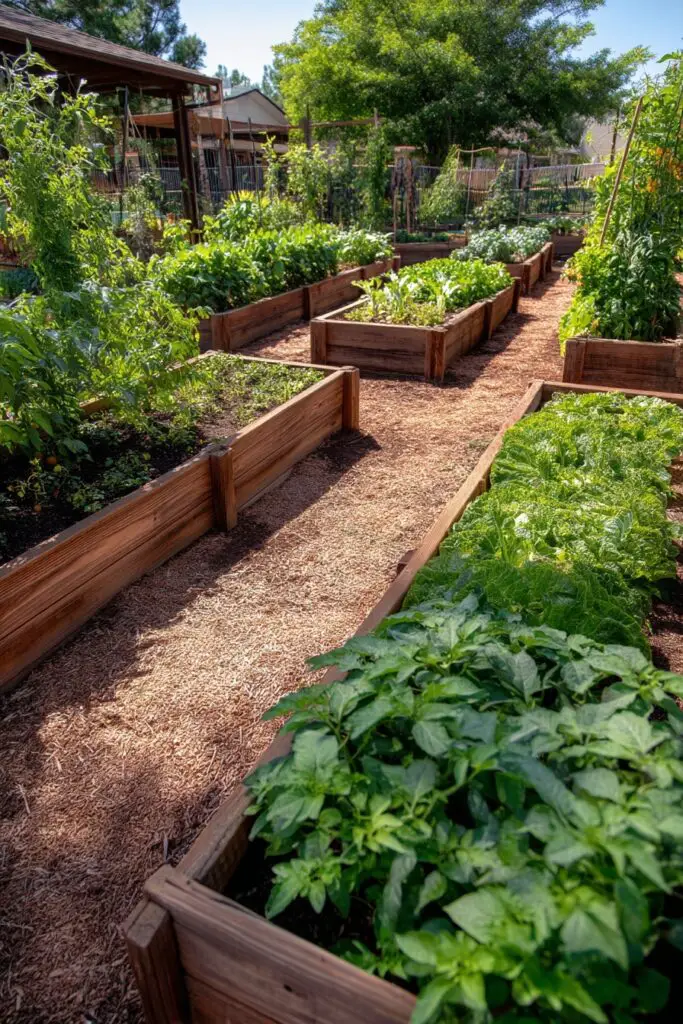
A medium-sized option offers more flexibility while still being easy to manage. This garden bed layout typically measures around 4×8 feet, which provides enough space for crop diversity without overwhelming new gardeners.
The 4-foot width allows access from both sides, while the 8-foot length supports multiple planting zones. This size is one of the most practical choices for a balanced garden bed layout.
Ideal Structure
When building this garden bed layout:
- Keep paths at least 18–24 inches wide
- Position the bed in full sun
- Use durable materials for long-term stability
- Maintain consistent soil depth for uniform growth
Proper orientation ensures every plant in your garden bed layout receives adequate sunlight.
Suggested Planting Plan
Divide the space into rows or blocks based on plant height.
For example:
- Tall crops like tomatoes or trellised beans at the back
- Medium-height vegetables such as peppers or bush beans in the center
- Low-growing crops like lettuce or carrots toward the front
This layered approach improves airflow and light distribution. A well-structured garden bed layout at this size can support succession planting, allowing you to replant sections as crops finish.
3. Large and Customized Garden Bed Layout
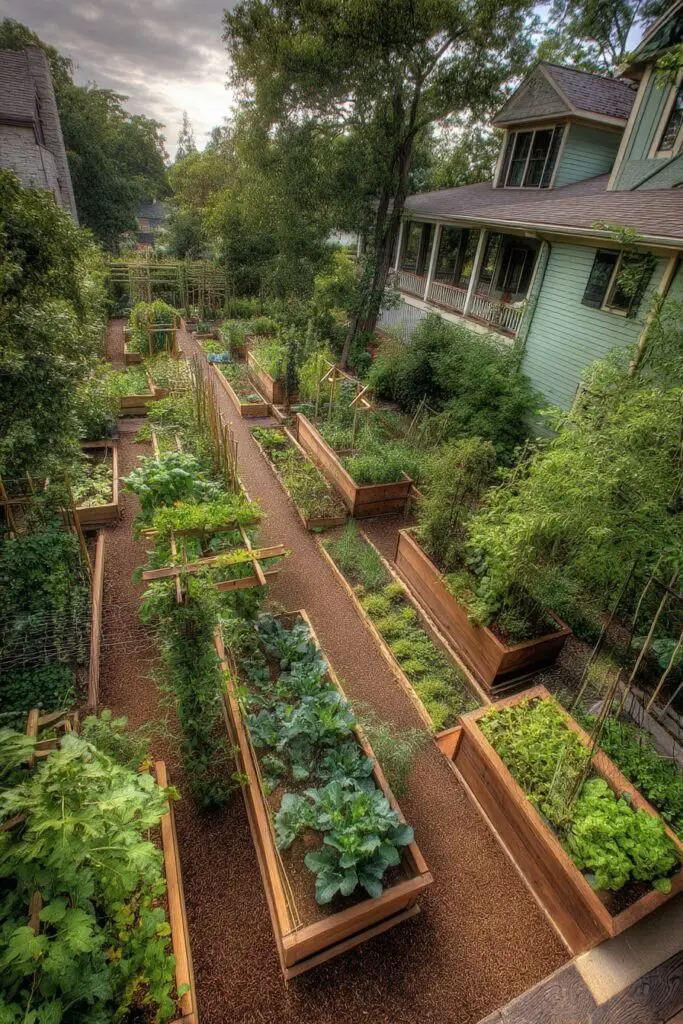
For gardeners ready to expand, a large design offers the greatest flexibility. This type of garden bed layout may include multiple beds arranged in rows or a single oversized raised structure tailored to your space.
A larger garden bed layout works well in open backyards where there is room for clear pathways and crop rotation zones.
Ideal Structure
When planning a larger garden bed layout:
- Keep individual beds no wider than 4 feet for easy access
- Leave wide, stable pathways between beds
- Install irrigation lines before filling with soil
- Consider grouping beds by crop type
Organizing beds by category—such as leafy greens, root vegetables, or fruiting plants—makes maintenance more efficient.
Suggested Planting Plan
A large garden bed layout allows for rotation and succession planting on a broader scale.
You might:
- Dedicate one bed to warm-season crops
- Use another for cool-season vegetables
- Reserve space for perennial herbs
- Incorporate vertical supports for climbing plants
Spacing becomes critical at this size. Adequate airflow reduces disease pressure and keeps your garden bed layout productive throughout the season.
4. Planning Your Garden Bed Layout
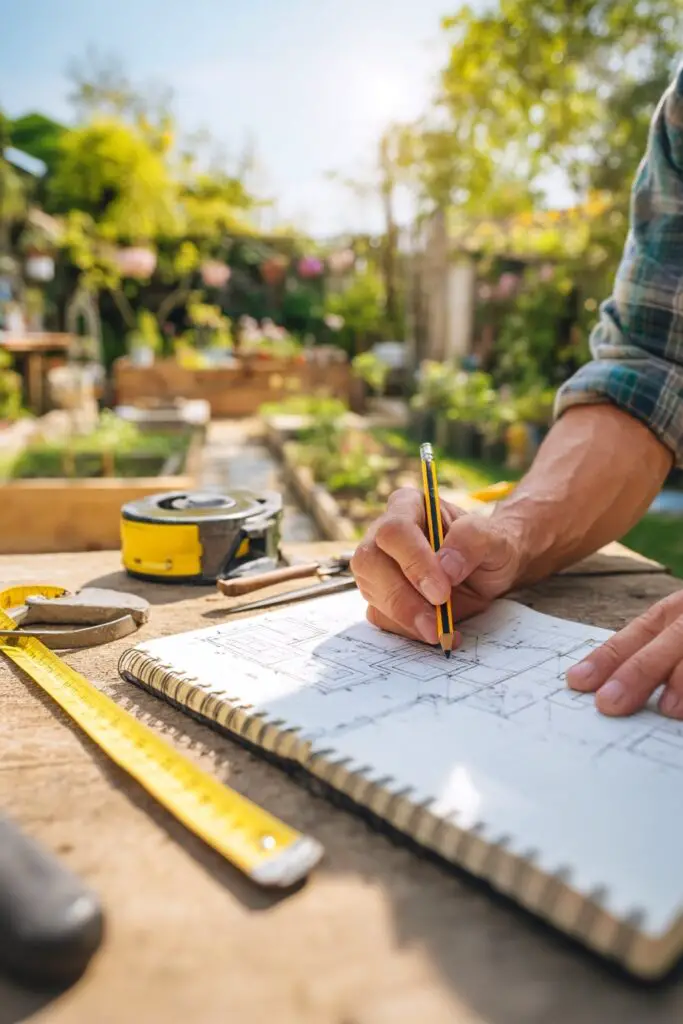
Before building or planting, take time to design your garden bed layout carefully. Good planning improves efficiency, reduces waste, and prevents overcrowding later in the season.
Start by observing your space. Sun exposure, drainage patterns, and wind direction all influence how your garden bed layout should be arranged.
Key Planning Considerations
When mapping your garden bed layout, focus on:
- Sunlight availability (6–8 hours for most vegetables)
- Access to water sources
- Soil depth and drainage
- Comfortable walking space between beds
Sketch your garden bed layout on paper before construction. This allows you to test different configurations without moving soil or materials.
Orientation and Flow
Align beds north to south when possible. This orientation allows plants to receive balanced sunlight throughout the day.
Keep taller crops on the northern side of your garden bed layout to prevent shading smaller plants.
Clear pathways improve workflow. You should be able to water, harvest, and maintain your garden bed layout without stepping into planting areas.
5. Choosing the Right Plants for Your Garden Bed Layout
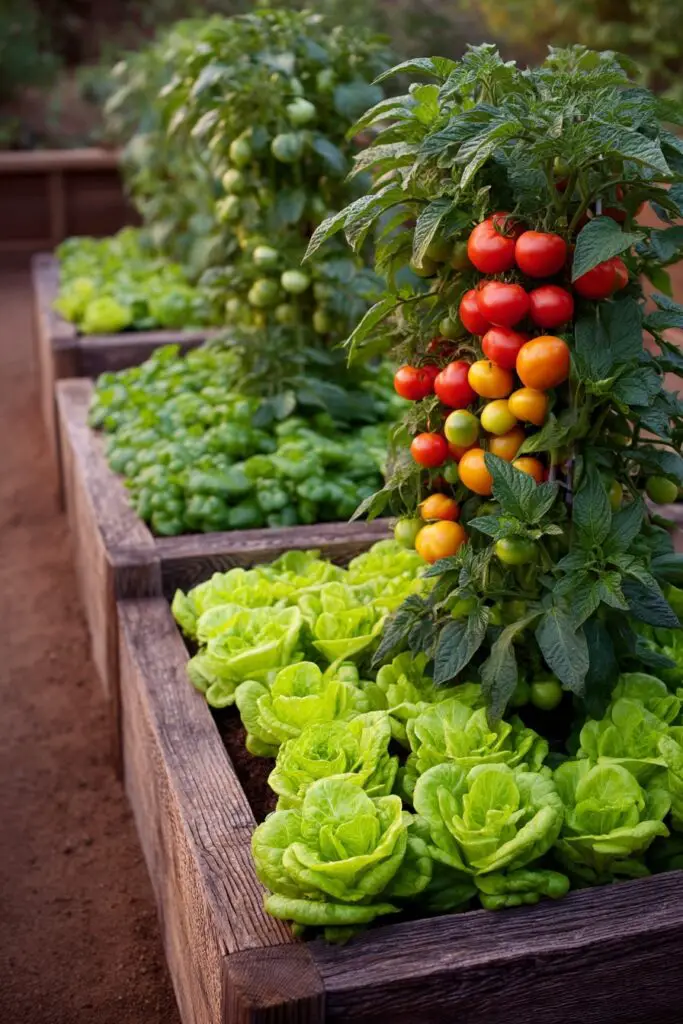
Plant selection plays a major role in the success of your garden bed layout. The right combination of crops ensures balanced growth, efficient spacing, and steady harvests.
Start by considering plant height, spread, and growing season. A well-designed garden bed layout prevents taller crops from shading smaller varieties.
Group Plants by Growth Habit
Organize your garden bed layout using these simple guidelines:
- Tall plants (tomatoes, corn, trellised beans) at the back or north side
- Medium plants (peppers, bush beans) in the center
- Low growers (lettuce, carrots, radishes) toward the front
This layered approach improves sunlight exposure and airflow.
Practice Companion Planting
Companion planting strengthens your garden bed layout by pairing crops that benefit each other.
For example:
- Tomatoes with basil
- Carrots near onions
- Lettuce beneath taller plants for shade
Spacing remains essential. Even a productive garden bed layout can struggle if plants compete for nutrients and light.
Plan for Succession
A smart garden bed layout includes succession planting. As one crop finishes, another takes its place. This keeps soil active and maximizes yield.
Cool-season crops can be followed by warm-season vegetables within the same garden bed layout.
6. Common Tips for Successful Raised Bed Gardening
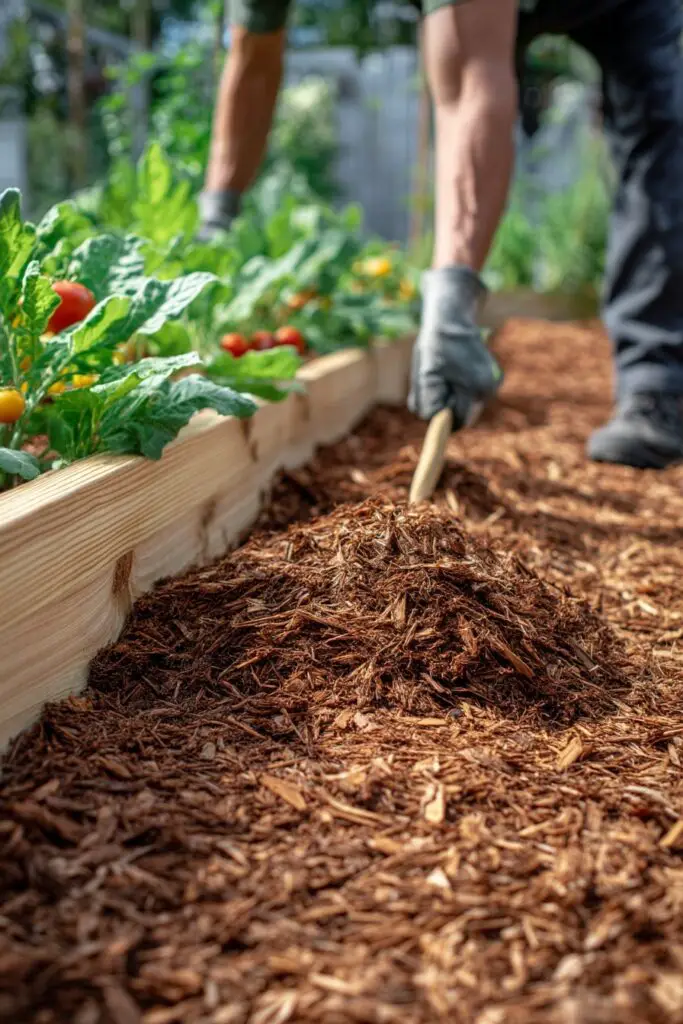
Even the best garden bed layout needs consistent care to stay productive. Once your beds are built and planted, small maintenance habits make a lasting difference.
Start with soil health. Refresh compost each season to keep your garden bed layout fertile and well-structured. Healthy soil supports stronger roots and higher yields.
Water deeply rather than frequently. A steady watering routine encourages deep root development across your garden bed layout.
Additional success tips:
- Mulch to retain moisture and reduce weeds
- Rotate crops annually within your garden bed layout
- Inspect plants regularly for pests
- Harvest often to encourage continued production
Avoid stepping inside the beds. Keeping soil loose prevents compaction and protects root systems.
Conclusion
A well-designed garden bed layout sets the foundation for a productive and organized growing space. Whether you choose a compact movable bed, a versatile medium design, or a larger customized setup, the right garden bed layout improves plant health and simplifies maintenance.
By planning carefully, selecting suitable crops, and maintaining healthy soil, your garden bed layout will remain efficient and rewarding season after season.