
Flower garden is one of the most rewarding outdoor projects you can create — a place that brings color, fragrance, and natural beauty to your yard. Whether you’re a complete beginner or ready to redesign your existing outdoor space, knowing the right steps will help make your flower garden flourish. A thoughtfully planned garden gives you blooms to enjoy all season long while making your landscape more inviting and lively. Let’s break down the process into three simple steps you can follow with confidence.
Table of Contents
Step 1: Choose the Right Spot for Your Flower Garden

Pay Attention to Sunlight
Most flowering plants thrive with full sun—meaning at least six hours of direct sunlight per day. Before you start digging, observe your yard throughout the day to identify which areas get the most sun and which stay shaded. The amount of sunlight your garden receives will determine the types of flowers you can grow successfully.
Consider Soil and Drainage
Healthy soil is the foundation of a thriving flower garden. Test the soil in your chosen location to ensure it drains well and isn’t too compacted. If water tends to pool after rain, that spot may not be ideal. You can improve soil quality by mixing in compost or organic matter to create a loose, fertile growing environment.
Think About Visibility
Place your flower garden where you can enjoy it every day—whether it’s near a patio, along a walkway, or outside a kitchen window. This not only adds beauty to your view but also makes it easier to maintain and appreciate your garden as it grows.
Step 2: Plan and Prepare Your Garden Layout
Decide What Style You Want
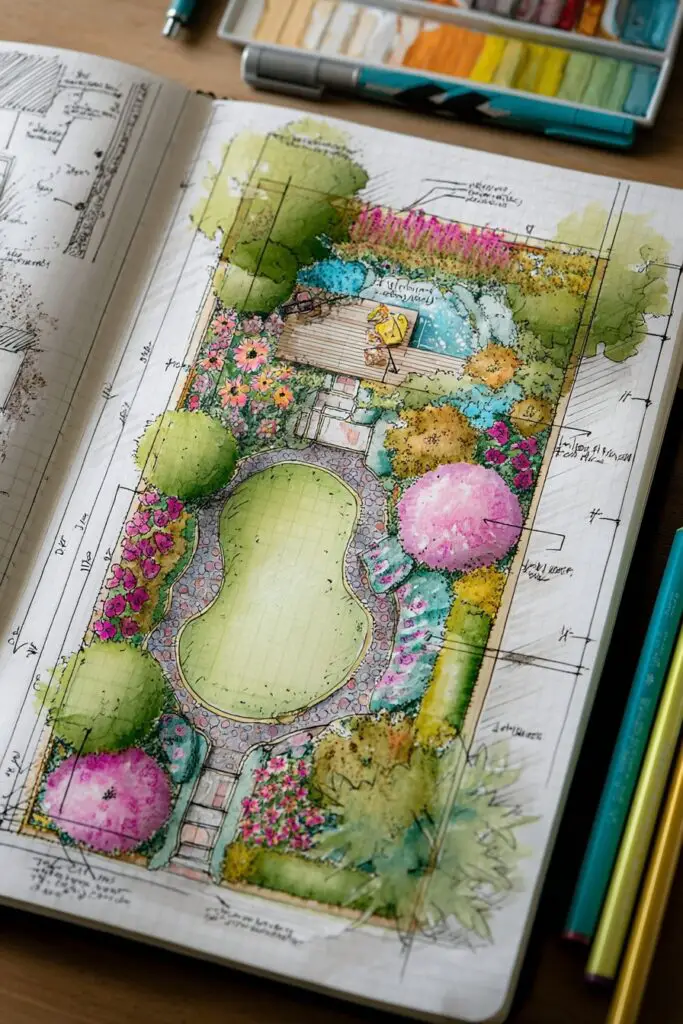
Think about the overall look and feel you’d like your flower garden to have. Do you prefer a neat, formal layout with rows and borders? Or are you drawn to a more relaxed, cottage-style garden with flowing shapes and mixed heights? The style you choose will guide your plant selection and how you arrange them.
Select Plants That Match Your Conditions
Choose flowers that suit the sunlight, soil type, and climate of your garden. For sunny gardens, consider plants like coneflowers, black-eyed Susans, or zinnias. For shadier areas, hostas, impatiens, and begonias work well. Pay attention to each plant’s size, bloom time, and maintenance level.
To keep your flower garden in bloom throughout the growing season, combine early-, mid-, and late-season varieties. This way, there’s always something colorful to enjoy.
Sketch a Simple Planting Plan
Before planting, create a rough layout on paper or using a garden planning app. Group flowers by height—taller plants in the back, mid-sized in the middle, and shorter ones at the front. This makes the garden look full and organized, while giving each plant the space it needs.
Step 3: Plant and Care for Your Flower Garden
Prepare the Soil
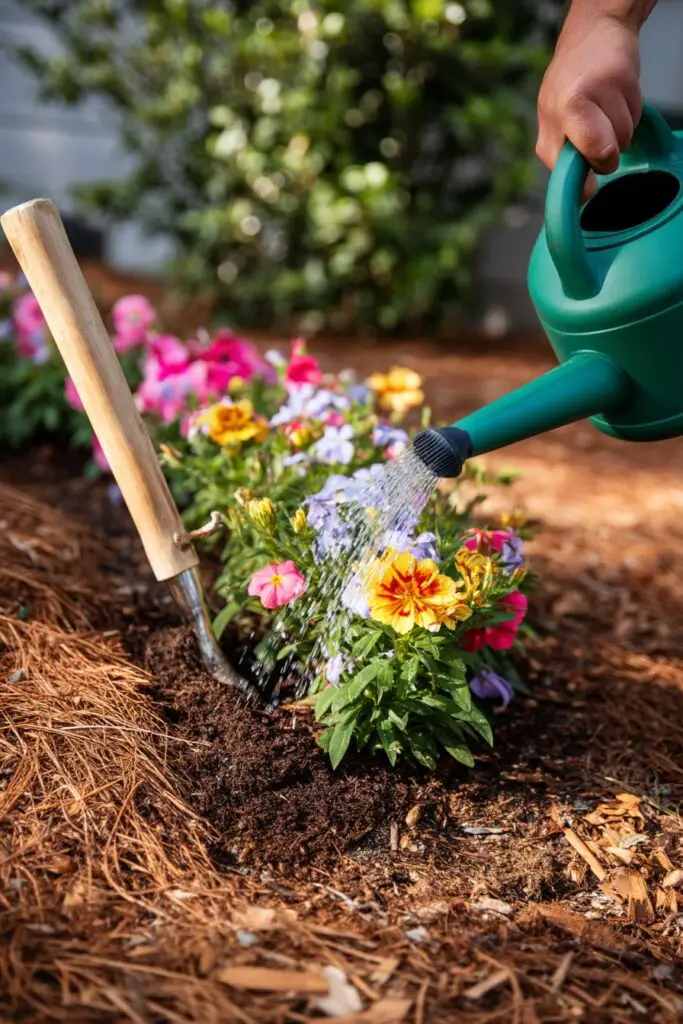
Start by clearing the area of weeds, grass, and debris. Loosen the soil with a garden fork or tiller to help roots grow more easily. Add compost to improve fertility and structure—this step is key to helping your flowers thrive.
Plant With Care
Follow the spacing instructions on each plant’s label. Dig a hole slightly wider than the plant’s root ball, place the plant in the hole, and gently cover with soil. Press down lightly to remove air pockets, and water thoroughly after planting. A well-watered start sets the foundation for a healthy flower garden.
Maintain Regularly
To keep your flower garden vibrant, water deeply once or twice a week, especially during dry periods. Remove weeds regularly so they don’t compete with your flowers for nutrients. Add mulch to help retain moisture, suppress weeds, and give your garden a tidy finish. Deadhead spent blooms to encourage new growth and prolong the flowering season.
Conclusion
Starting a flower garden doesn’t have to be overwhelming. With the right location, a thoughtful plan, and a bit of ongoing care, you’ll be rewarded with a beautiful, blooming space that reflects your personality and brightens your home. Just take it step by step, and enjoy the journey as your garden grows.