
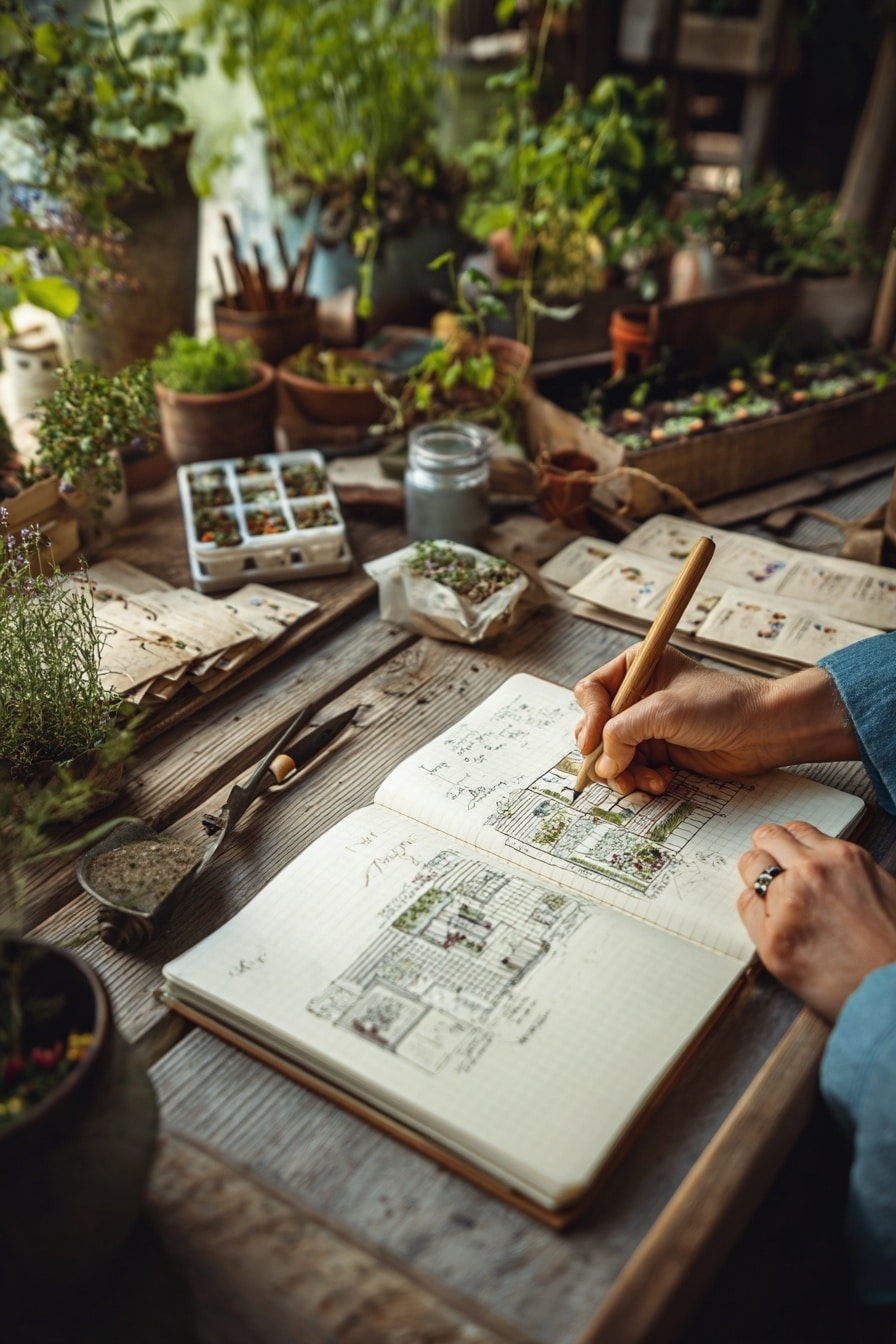
garden planning is the foundation for creating a thriving outdoor space year after year.A thoughtful garden plan helps you identify what worked well in your current beds, what needs improving, and how to arrange plants and features for maximum success next season. Starting your planning early ensures you aren’t scrambling come spring. With a clear vision, you can choose the right plants, prepare your beds, and schedule your tasks to make gardening both productive and enjoyable.
Table of Contents
Why Garden Planning Matters

Effective garden planning isn’t just for large landscapes or seasoned gardeners. It benefits anyone who wants to grow with intention and avoid unnecessary mistakes.
Avoid Costly Mistakes
- Prevent overbuying seeds or plants that don’t suit your space or climate.
- Eliminate the frustration of overcrowded beds or poorly performing layouts.
- Reduce waste by knowing exactly what your garden needs.
Improve Year-Over-Year Results
- Document what worked this year to repeat or improve it next season.
- Rotate crops to maintain soil health and reduce pests.
- Make informed decisions based on your actual experience.
Stay Organized and Focused
- Track planting dates, bloom times, and harvest windows in one place.
- Use your plan as a guide to stay on schedule throughout the growing season.
- Planning eliminates guesswork, saving time and energy later.
Steps to Plan Next Year’s Garden
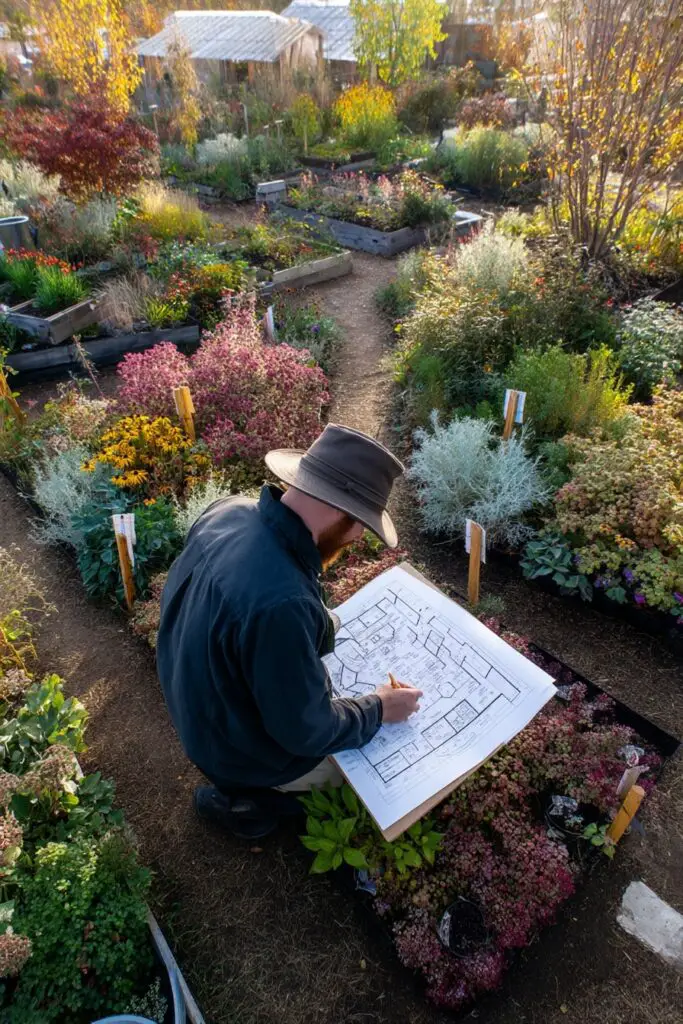
A well-structured plan makes gardening smoother and more rewarding. These simple steps guide you through organizing, visualizing, and preparing your space for next year’s success.
Reflect on This Year’s Garden
- Take notes on what thrived, struggled, or surprised you.
- Record how much sunlight, shade, or moisture different areas received.
- Keep track of pest or disease issues that need managing next year.
Evaluate Your Garden Layout
- Sketch a quick layout of your current beds and container placements.
- Consider traffic flow, sun exposure, and space constraints.
- Identify areas that could be reconfigured for better use or access.
Set Realistic Goals
- Decide if your focus is flowers, vegetables, pollinators, or low maintenance.
- Think about how much time and energy you can dedicate next season.
- Your goals shape what you grow and how you prioritize tasks.
Plan for Rotation and Succession
- Rotate crops to reduce soil fatigue and minimize disease.
- Plan succession plantings to extend your harvest window.
- Use charts or apps to schedule staggered plantings for a continuous yield.
Create Your Planting Schedule and Shopping List
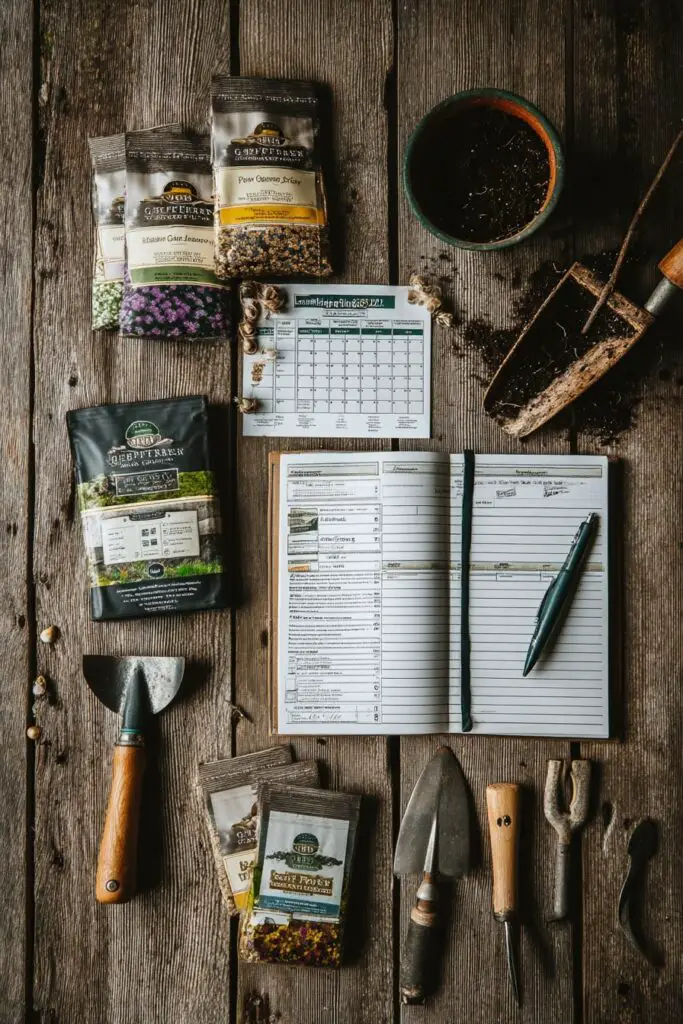
Once your layout and goals are in place, the next part of garden planning is organizing your planting timeline and gathering what you need ahead of time.
Build a Planting Calendar
- Use your hardiness zone to determine frost dates and planting windows.
- Organize your season into early, mid, and late planting periods.
- Include seed-starting dates, transplanting times, and direct-sow plans.
Make a Detailed Shopping List
- Review what seeds, tools, soil amendments, and compost you already have.
- Write down everything you need to buy—organize by category or store.
- Buying early gives you more variety and helps avoid spring shortages.
Don’t Forget Tools and Supplies
- Check the condition of your gloves, pruners, and hoses.
- Stock up on mulch, trellises, or irrigation parts while prices are low.
- Replacing or repairing now avoids delays when the growing season begins.
Keep Records and Stay Flexible
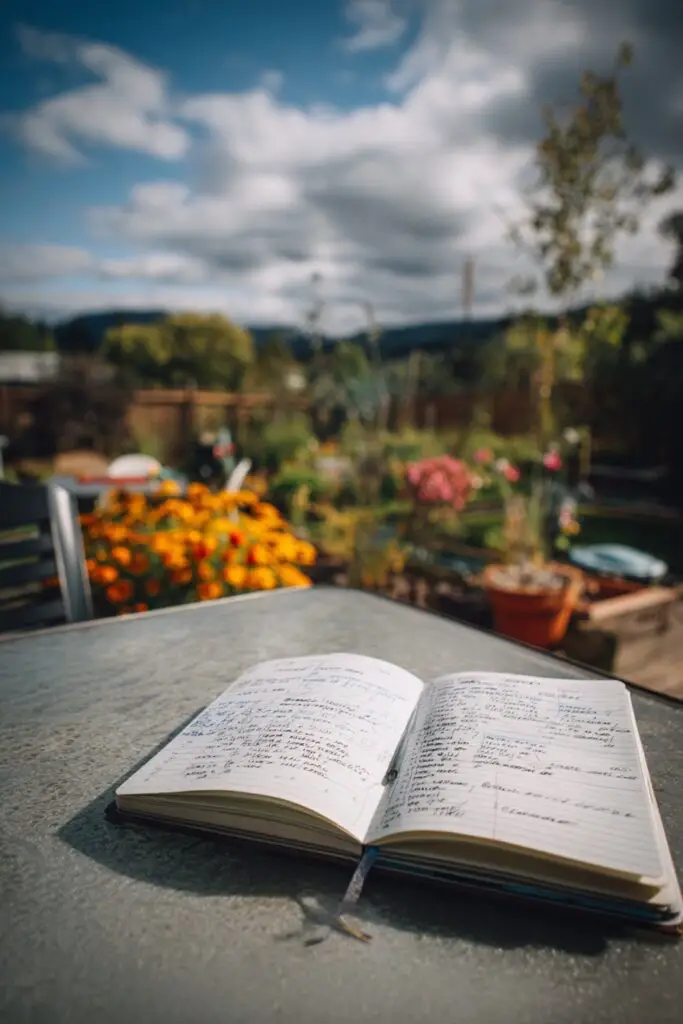
While a solid plan is key, flexibility ensures your garden thrives even when nature doesn’t cooperate. The best garden planning includes both structure and adaptability.
Maintain a Garden Journal
- Jot down weekly observations, weather patterns, and plant progress.
- Keep track of bloom times, pests, and harvest dates for next year’s reference.
- Journals help you refine your plans with real data from your own space.
Adjust Based on Conditions
- Be ready to swap out plants if weather changes drastically.
- Adapt your watering and fertilizing schedule as the season unfolds.
- Nature rarely follows your plan exactly—responding wisely ensures success.
Use Your Plan as a Guide, Not a Rulebook
- View your plan as a living document—it’s there to support, not restrict.
- If something isn’t working mid-season, don’t hesitate to revise.
- Gardeners who adapt quickly often see the most rewarding results.
Conclusion
Garden planning is more than just sketching out where things go—it’s about learning from the past, preparing with intention, and setting yourself up for a thriving garden season ahead. By taking time to reflect, set goals, organize your schedule, and stay adaptable, you’ll enjoy a smoother, more successful gardening experience next year. Planning now makes the growing season easier, more enjoyable, and far more productive.