
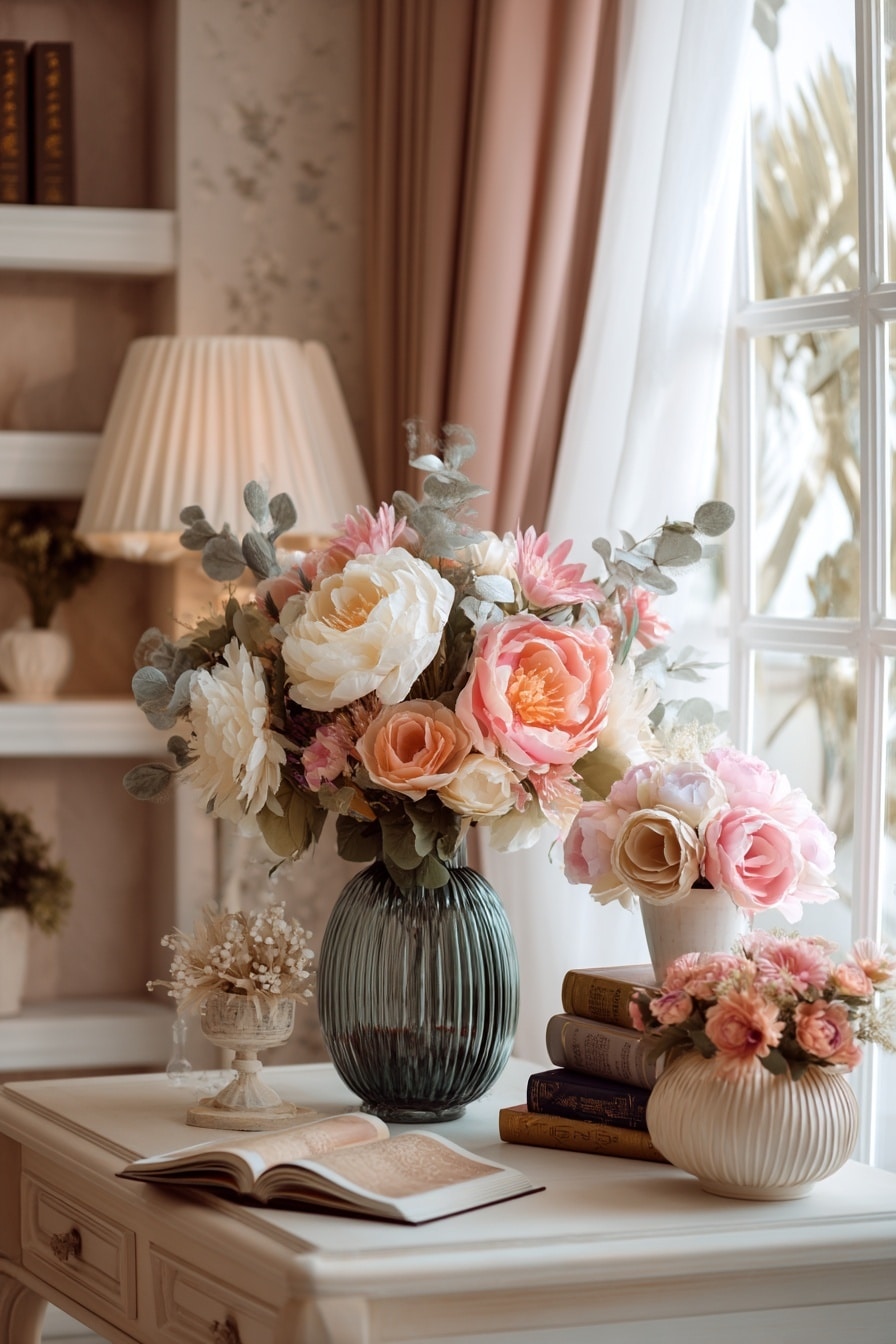
Real flowers bring life, scent, and natural elegance into a space—but are they always the best option? With today’s high-quality faux blooms mimicking nature almost perfectly, many people find themselves second-guessing what’s real and what’s not. The line between fresh and artificial has blurred, raising the question: can you truly tell the difference?
Whether you’re decorating for a special event, styling your home, or planning seasonal displays, understanding the pros and cons of real flowers versus artificial ones can help you choose what works best for your needs, lifestyle, and budget.
Table of Contents
Why People Still Choose Real Flowers

Despite the rise of lifelike faux florals, real flowers continue to be a favorite choice for many—and for good reason. There’s something undeniably special about fresh blooms that artificial ones can’t fully replicate.
1. Natural Fragrance
No matter how realistic faux petals appear, they can’t recreate the delicate scent of real flowers. From the sweet perfume of roses to the citrusy aroma of lilacs, fragrance is a key reason people still prefer fresh arrangements.
2. Organic Beauty and Imperfection
Real flowers often have slight imperfections—irregular petal edges, unique stem curves, and natural color gradients—that contribute to their authenticity and charm. These subtleties give each bloom its own personality.
3. Seasonal Joy
There’s something deeply satisfying about bringing in-season flowers into your home. Peonies in late spring or sunflowers in mid-summer mark time in a way that artificial arrangements can’t.
4. Symbolic and Emotional Value
Whether it’s a bouquet of real flowers for a wedding, birthday, or funeral, fresh blooms carry emotional weight. Their fleeting nature enhances their significance—each petal a reminder of a moment in time.
Benefits of Artificial Flowers
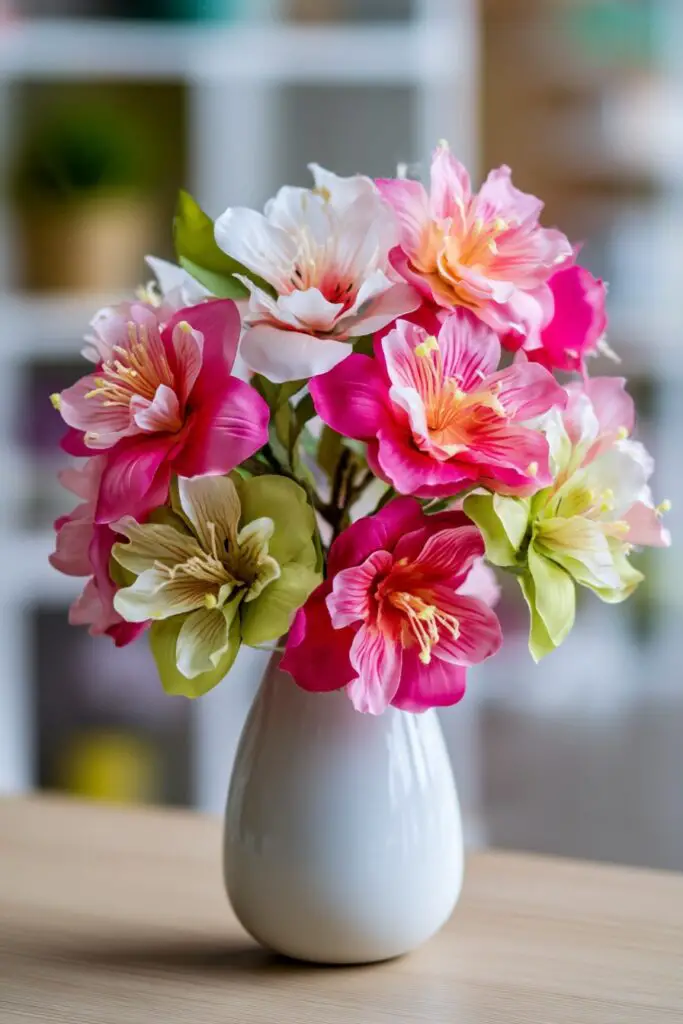
While real flowers offer unmatched natural beauty, artificial flowers have grown in appeal thanks to their evolving realism and practicality. Today’s faux florals aren’t the stiff, plastic versions of the past—they’re crafted to mirror nature so closely that many people can’t tell the difference at a glance.
1. Long-Lasting Beauty
Unlike real flowers, which fade in days, artificial arrangements stay vibrant indefinitely. There’s no wilting, browning, or drooping—just consistent color and form, season after season.
2. Low Maintenance
No watering, trimming, or replacing. Artificial flowers require little more than the occasional dusting, making them ideal for busy homes, offices, or anyone without a green thumb.
3. Allergy-Friendly
For those sensitive to pollen, faux flowers are a breath of fresh air—literally. They bring the look of real flowers without triggering sneezing fits or itchy eyes.
4. Cost-Effective Over Time
Although high-quality artificial flowers can be an upfront investment, they pay off in longevity. Instead of buying fresh bouquets weekly, a single well-made arrangement can last for years.
5. Design Flexibility
Artificial blooms allow for complete creative freedom. You can pair out-of-season flowers, bend stems for styling, or reuse the same arrangement for multiple events without worry.
How to Spot the Difference Between Real and Faux Flowers
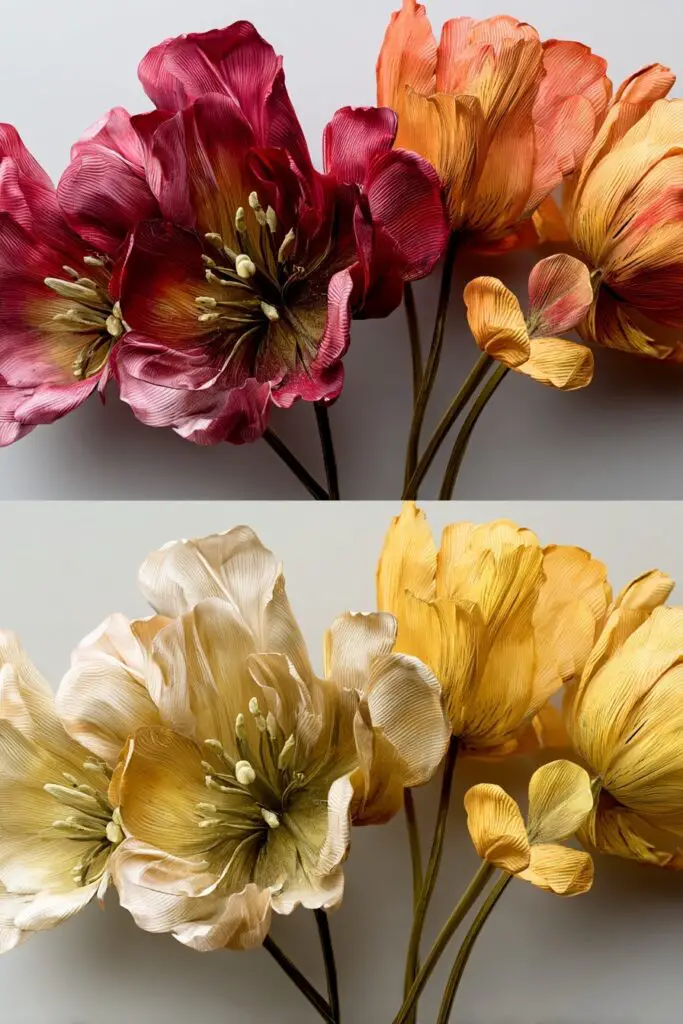
With artificial flowers becoming increasingly realistic, telling them apart from real flowers often comes down to the smallest details. Still, there are a few subtle clues that can help you spot the difference—if you’re looking closely.
1. Touch and Texture
Real petals are delicate, soft, and sometimes cool to the touch. Faux flowers, even the best ones, may feel slightly waxy, rubbery, or too stiff. Run your fingers along the bloom—real flowers give slightly under pressure, while artificial ones often hold their shape.
2. Scent
It’s the most obvious tell: real flowers have fragrance, even if subtle. Artificial flowers, unless scented artificially, carry no smell at all.
3. Imperfections
Nature is rarely perfect. Real flowers often have slight blemishes, uneven coloring, or asymmetrical petals. Artificial ones tend to look too uniform or symmetrical—almost “too perfect.”
4. Stem and Leaf Details
Look at the stems and leaves. Real stems have natural texture, fine hairs, and realistic branching. Faux versions may reveal seams, wire cores, or overly smooth surfaces.
5. Weight and Water
Real arrangements require a water source and have a natural weight to them. Faux arrangements are lighter and sit dry in their containers.
Which One Is Right for You?

Deciding between real flowers and artificial ones ultimately depends on your lifestyle, space, and purpose. Both offer distinct advantages—and the right choice might even be a mix of both.
Choose Real Flowers If…
- You love the natural scent and feel of fresh blooms
- You’re decorating for a special occasion and want authenticity
- You enjoy the ritual of changing arrangements regularly
- You grow your own flowers or support local florists
- You want to capture the fleeting beauty of each season
Choose Artificial Flowers If…
- You need a long-lasting solution for home or office décor
- You want a low-maintenance arrangement with no watering
- You or someone in your household has allergies
- You’re decorating in a space with low light or temperature control
- You want to reuse florals across events or seasons
Conclusion
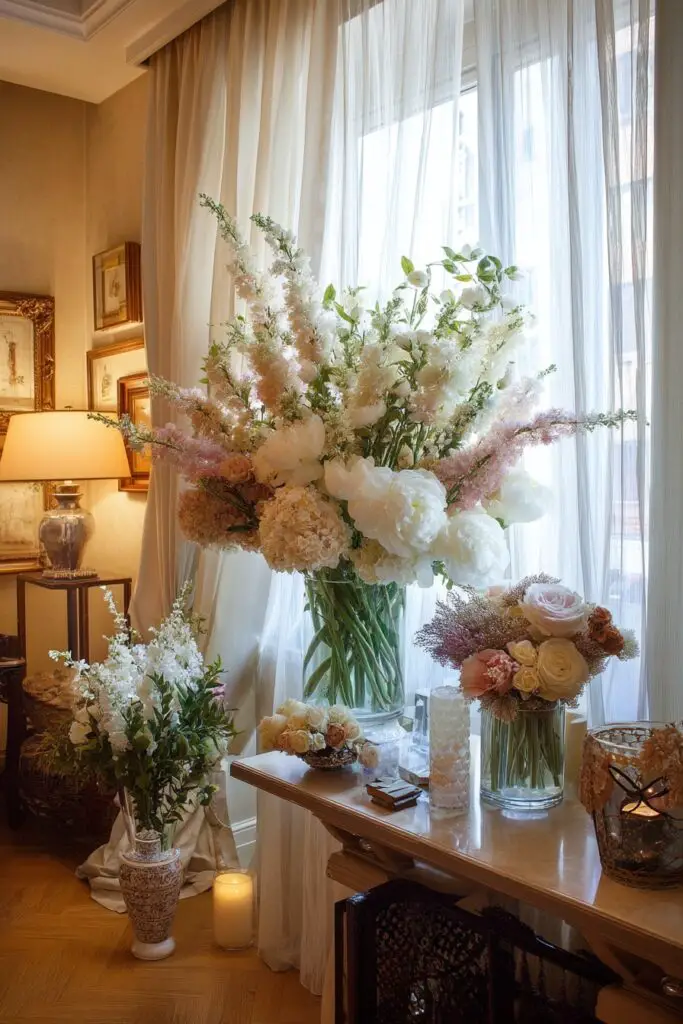
Whether you lean toward the fleeting beauty of real flowers or the enduring convenience of artificial ones, both have a place in modern living. Real blooms bring unmatched fragrance, emotion, and seasonal charm, while faux arrangements offer practicality, longevity, and surprising realism.
The key is understanding what suits your needs best. For some, a fresh bouquet on the table is non-negotiable. For others, a realistic faux arrangement offers beauty without the upkeep. And for many, a thoughtful blend of both creates a space that’s timeless, vibrant, and uniquely personal.