
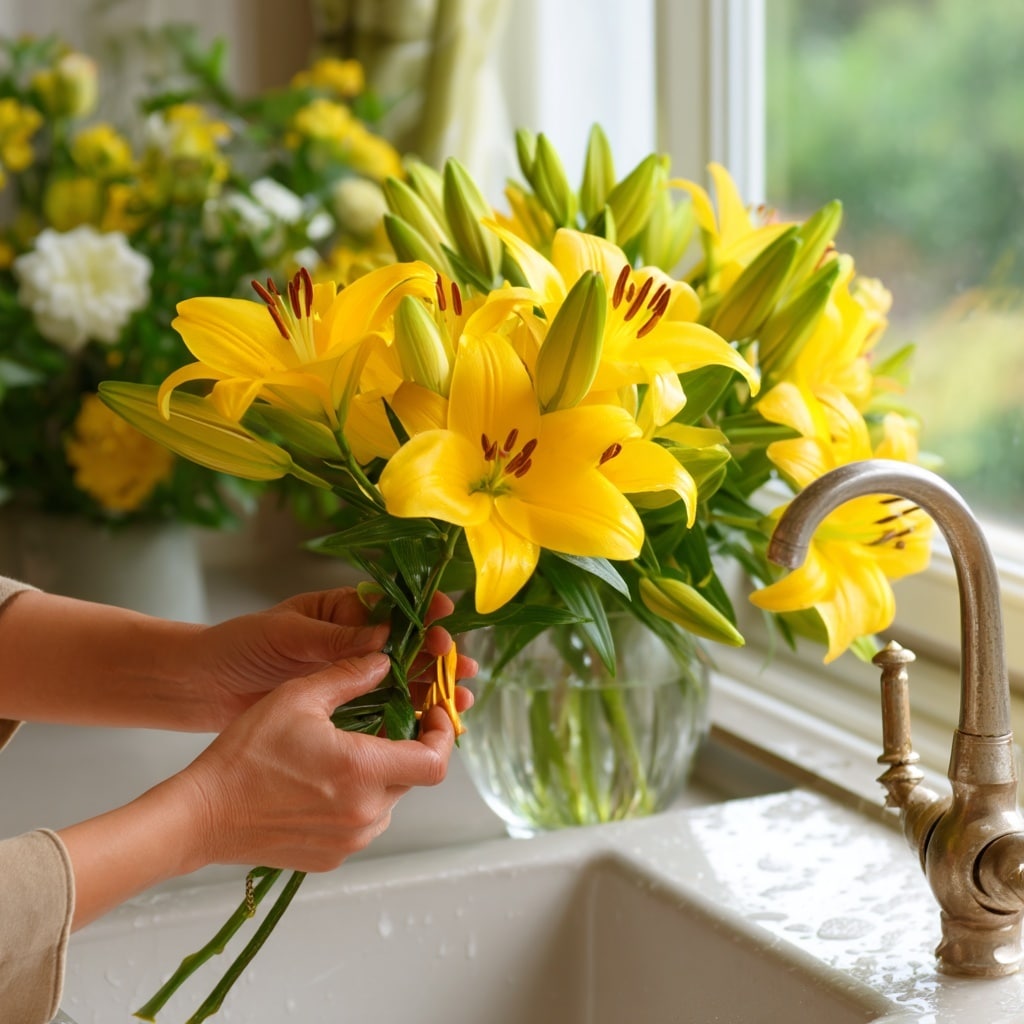
Lilies have captivated humans for centuries with their elegant form, intoxicating scent, and rich symbolism. These beloved blooms are more than just garden staples or popular bouquet choices—they carry deep cultural and emotional significance. From ancient myths to modern celebrations, lilies represent powerful themes like purity, renewal, and remembrance. But their meaning often changes depending on their color, occasion, or cultural context. In this article, we’ll uncover what lilies truly represent and share some surprising facts that might change how you see this timeless flower.
🌼 What Do Lilies Represent?

Throughout history, lilies have been more than just beautiful flowers—they’ve symbolized deep emotions and spiritual beliefs across cultures. In ancient Greek mythology, lilies were believed to have sprung from the milk of Hera, the queen of the gods, representing divine purity and femininity. In Christianity, the white Madonna lily became a powerful emblem of the Virgin Mary’s innocence, while Easter lilies are often used in church decorations to signify Christ’s resurrection and eternal life.
Because of this rich background, lilies are commonly associated with purity, rebirth, renewal, and remembrance. They’re often chosen for meaningful life events—from weddings and baptisms to funerals—because they convey emotions that words sometimes can’t express. Their symbolism may shift depending on the flower’s color, but at their core, lilies have always represented a kind of sacred beauty and emotional depth.
🌈 The Meaning of Lily Colors
The beauty of lilies extends beyond their shape and scent—their color plays a major role in what they symbolize. Whether you’re choosing flowers for a joyful celebration or a quiet moment of reflection, understanding the meaning behind each hue can make your choice more thoughtful and personal.
🤍 White Lilies
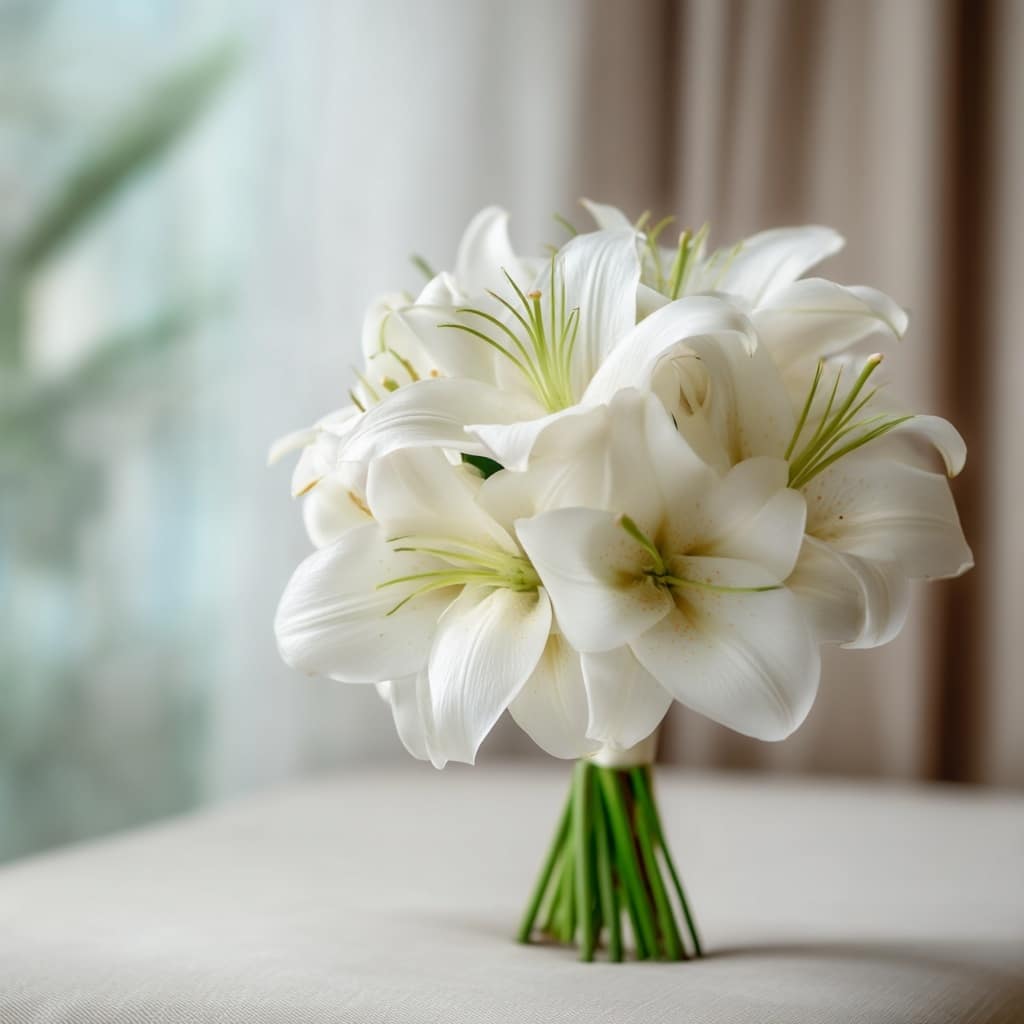
White lilies are the most universally recognized variety, and their meaning is steeped in spiritual and emotional purity. Traditionally, they symbolize rebirth, innocence, and tranquility. These qualities make white lilies a popular choice for funerals, where they represent the return of the soul to a pure, peaceful state.
At weddings, white lilies are often included in bridal bouquets to reflect the purity and sincerity of the union. They’re also a beautiful gesture at baby showers, symbolizing the innocence and hope that surrounds new life.
🌸 Pink Lilies

Pink lilies are graceful and uplifting, often symbolizing prosperity, admiration, and feminine energy. Their soft, warm color makes them a thoughtful gift for milestones such as graduations, job promotions, or the start of a new journey. They’re a floral way to say, “I’m proud of you,” or “You’ve got this.”
Beyond success and growth, pink lilies also convey compassion, gentleness, and love—particularly the kind shared between mothers and daughters, sisters, or close friends. When you want to express warmth without the romantic overtones of red, pink lilies strike the perfect balance.
❤️ Red Lilies
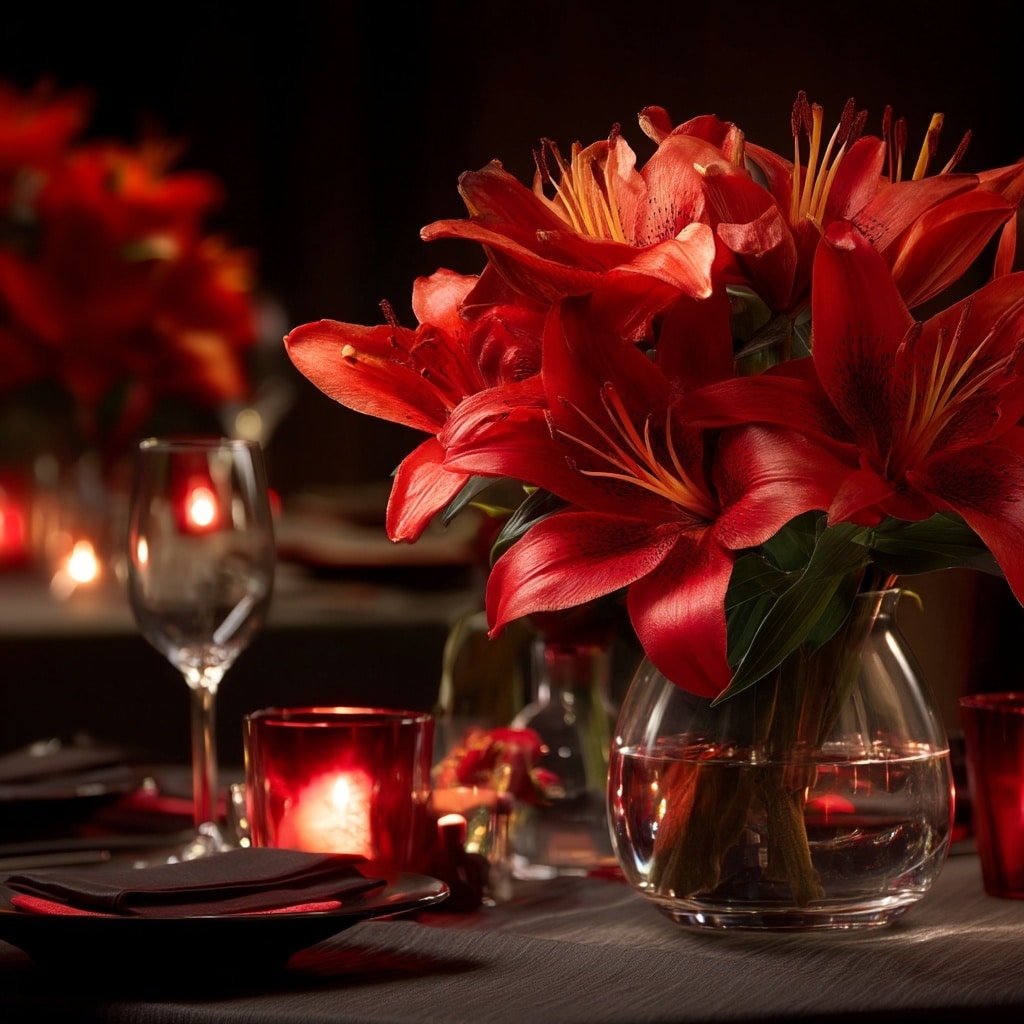
Red lilies are bold and passionate, making them a striking alternative to traditional red roses. These vibrant blooms symbolize deep love, desire, and romantic intensity, making them a perfect choice for anniversaries, Valentine’s Day, or any moment when emotions run high.
While red roses may feel expected, red lilies offer a more unique and dramatic gesture. Their fiery petals suggest not only love, but also strength, courage, and devotion—ideal for expressing powerful feelings in a meaningful way.
💛 Yellow Lilies
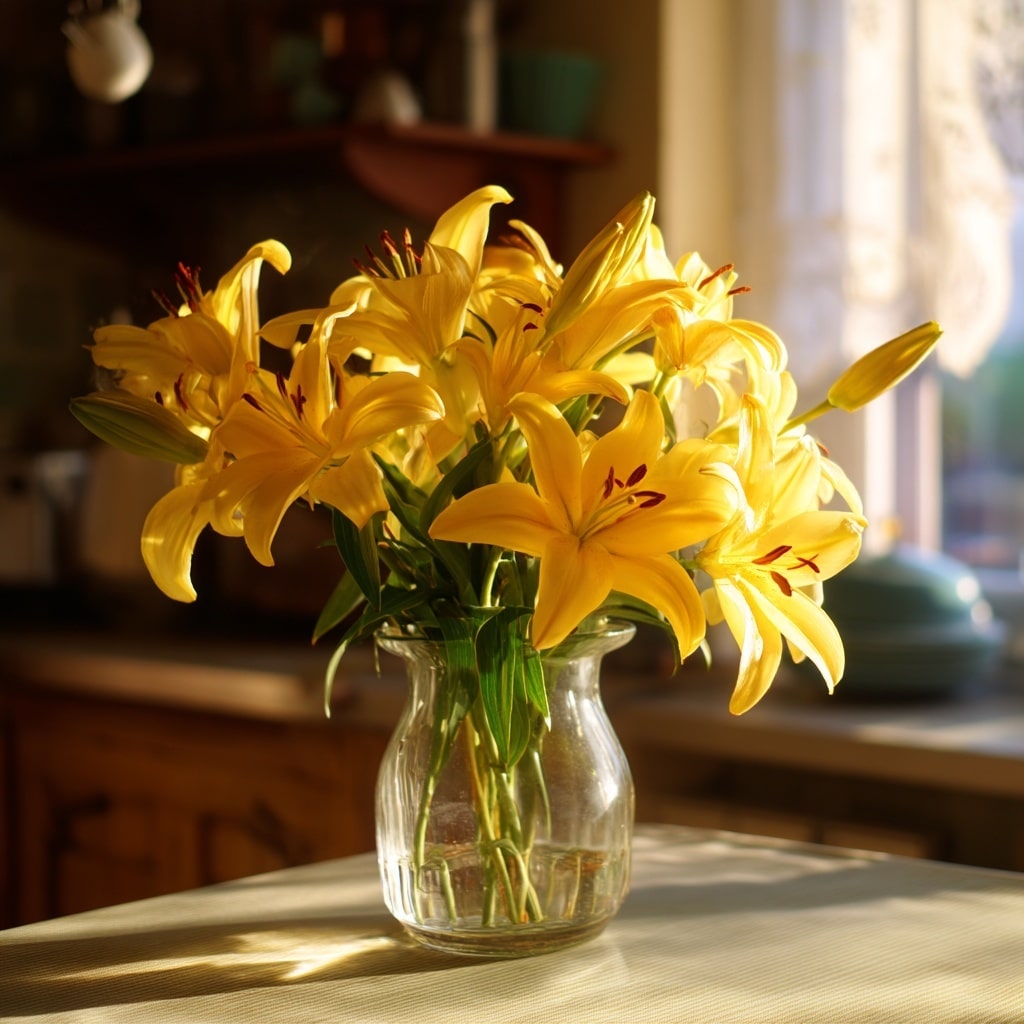
Yellow lilies bring an instant sense of happiness, light, and connection. These cheerful blooms are often associated with friendship, gratitude, and positive energy, making them a thoughtful gesture for someone who could use a little brightness in their day.
Whether you’re saying “thank you,” “I’m thinking of you,” or simply “cheer up,” yellow lilies deliver the message with warmth and sincerity. They’re ideal for friends going through tough times, recovering from illness, or celebrating a small win. Their golden glow feels like sunshine in a vase, offering joy without needing grand gestures.
🧡 Orange Lilies
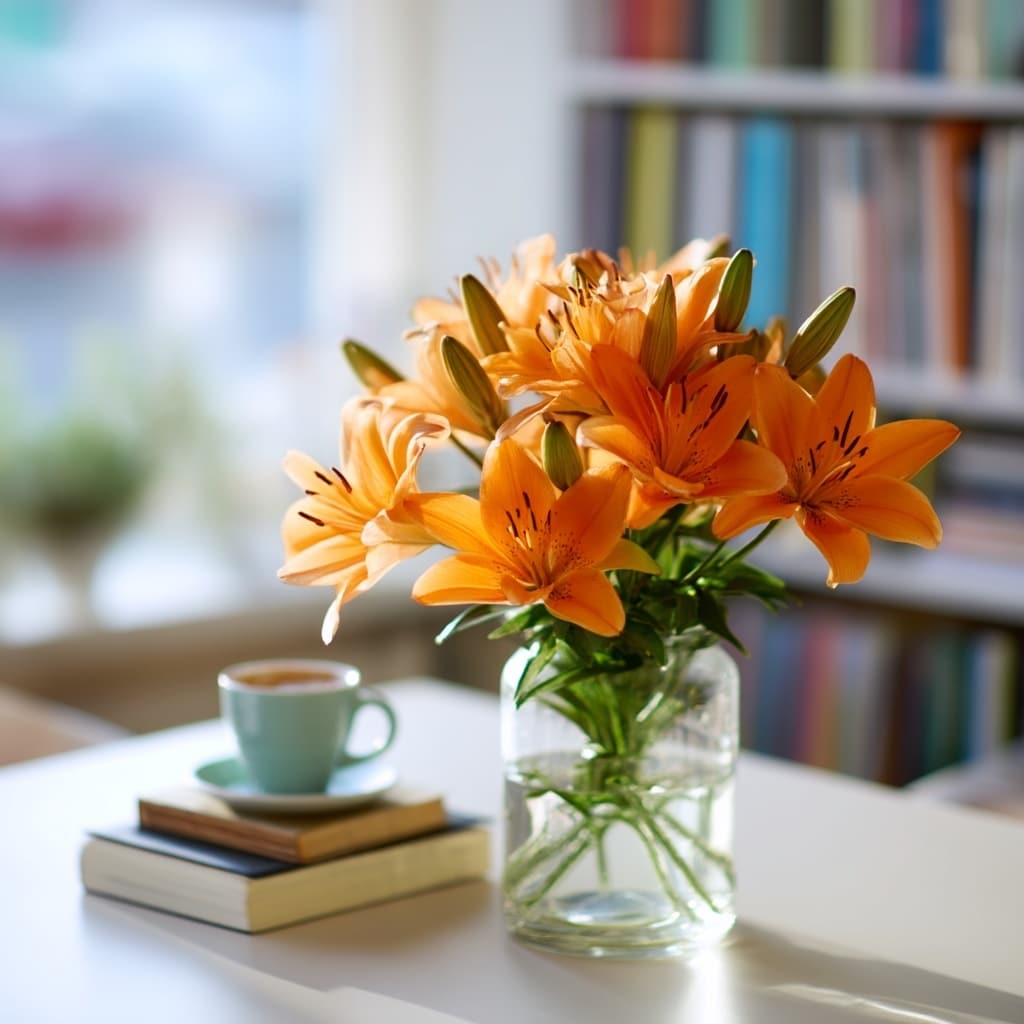
Orange lilies are bold, energetic, and full of personality. These flowers symbolize confidence, enthusiasm, and determination, making them a wonderful gift for anyone facing a new challenge or working toward a goal—like students taking exams or friends chasing career milestones.
The vibrant hue of orange lilies can also reflect respect and honor, making them suitable for occasions where you want to show admiration without romantic intent. Much like their yellow counterparts, orange lilies have an uplifting presence, but with a bit more fire—perfect for encouraging someone or celebrating their inner strength.
🌟 Fascinating Facts About Lilies
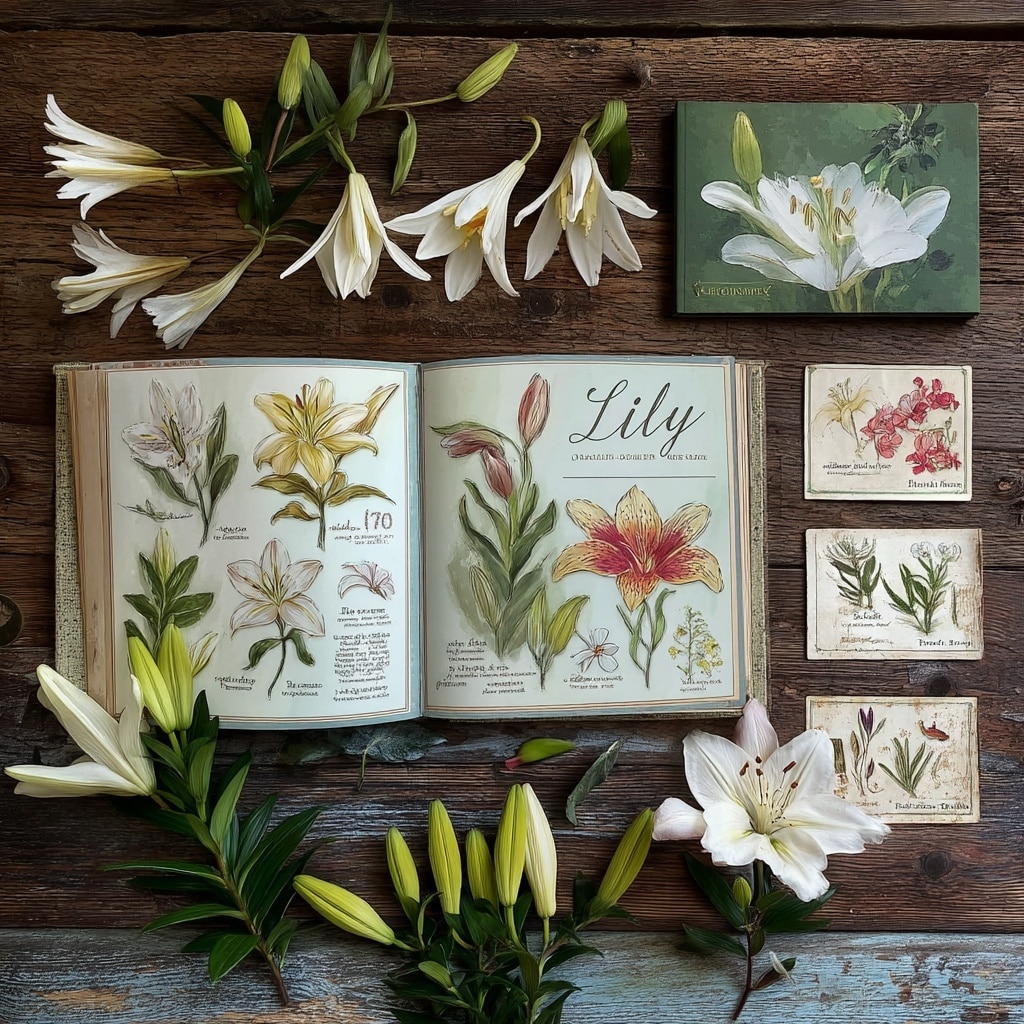
Beyond their symbolism and beauty, lilies have a rich history filled with surprising and sometimes quirky facts. These lesser-known details only deepen our appreciation for this iconic flower and its place in both culture and everyday life.
💍 Lilies Are the Traditional Flower for 30th Wedding Anniversaries
If you or someone you know is celebrating a 30th wedding anniversary, lilies are the flower to mark the occasion. Just like roses are tied to the 15th and daisies to the 5th, lilies symbolize the strength, grace, and enduring bond of three decades together. Their layered petals and strong stems reflect a love that has blossomed and endured.
👶 Lily Is a Popular Girl’s Name
The name “Lily” remains one of the most cherished floral names for baby girls, often ranking among the top choices in many countries. Variations like Lillian, Liliana, and Lilibeth carry the same delicate charm. Interestingly, names like Susan, Susanna, and Suzanne also mean “lily” in Hebrew roots, connecting generations to the flower’s enduring appeal.
🪷 Not All Lilies Are “True” Lilies
Here’s a botanical twist: not every flower with “lily” in its name belongs to the Lilium genus. Blooms like calla lilies, water lilies, lily of the valley, and daylilies may sound similar, but they aren’t true lilies. Their appearances and meanings differ, so keep this in mind when selecting flowers for a symbolic gesture.
🍽️ Some Lilies Are Edible
Believe it or not, certain species of lilies are edible and have been used in traditional Asian and Native American cuisine. Their bulbs, in particular, can be prepared similarly to root vegetables and are believed to offer health benefits. However, only true lilies are safe to consume—so don’t snack on a daylily without knowing its origin!
🐾 Lilies Are Extremely Toxic to Cats
While lilies may be a feast for the eyes, they pose a serious risk to cats. Even a tiny amount of pollen or petal can cause renal failure in felines. If you’re sending flowers to a cat owner, it’s safest to choose a non-toxic alternative. Some lilies can also affect dogs, but generally with milder symptoms.
🌿 How to Care for Lilies

Lilies are not just beautiful—they’re also impressively long-lasting when cared for properly. With a few simple steps, you can keep these stunning flowers fresh and vibrant for up to two weeks in a vase. Whether they’re part of a gift or freshly picked from your garden, here’s how to get the most out of your lilies.
✂️ Trim the Stems
Start by trimming 2–3 centimeters off the bottom of each stem at a diagonal angle. This helps the flower absorb more water and stay hydrated. Be sure to use clean, sharp scissors or garden shears for a precise cut.
🌊 Prepare the Water
Fill a clean vase with room-temperature water, about two-thirds full. If you have flower food, add it now and stir until dissolved. This will nourish your lilies and keep bacteria at bay.
🍃 Remove Lower Leaves
Before placing the lilies in the vase, remove any leaves that will sit below the waterline. These leaves can rot quickly, causing cloudy water and shortening the lifespan of your bouquet.
🏡 Find the Perfect Spot
Place your vase in a cool area, away from direct sunlight, heat sources, or air conditioning vents. Lilies prefer stable temperatures and a little shade to help them open slowly and evenly.
If you have pets—especially cats—make sure your lilies are completely out of reach, as they can be extremely toxic.
⚠️ Manage the Pollen
As your lilies bloom, they’ll produce bright yellow or orange pollen. This can stain clothing and surfaces and may cause allergies. To prevent this, gently remove the anthers or stamens with a tissue or wear gloves. Be careful not to touch your face or light fabrics afterward.
🌺 Conclusion
Lilies are more than just beautiful flowers—they’re rich in meaning, history, and emotional resonance. Whether you’re choosing a color to reflect love, remembrance, or new beginnings, lilies offer a thoughtful way to express what words sometimes can’t. Their elegance, versatility, and symbolism make them a meaningful gift for nearly every stage of life.
Just remember: while lilies are long-lasting and relatively easy to care for, they do come with precautions—especially around pets. Handle them with care, place them thoughtfully, and you’ll enjoy their beauty for days to come.
If you’re interested in other flower meanings or seasonal planting tips, visit our other gardening guides to explore more.