
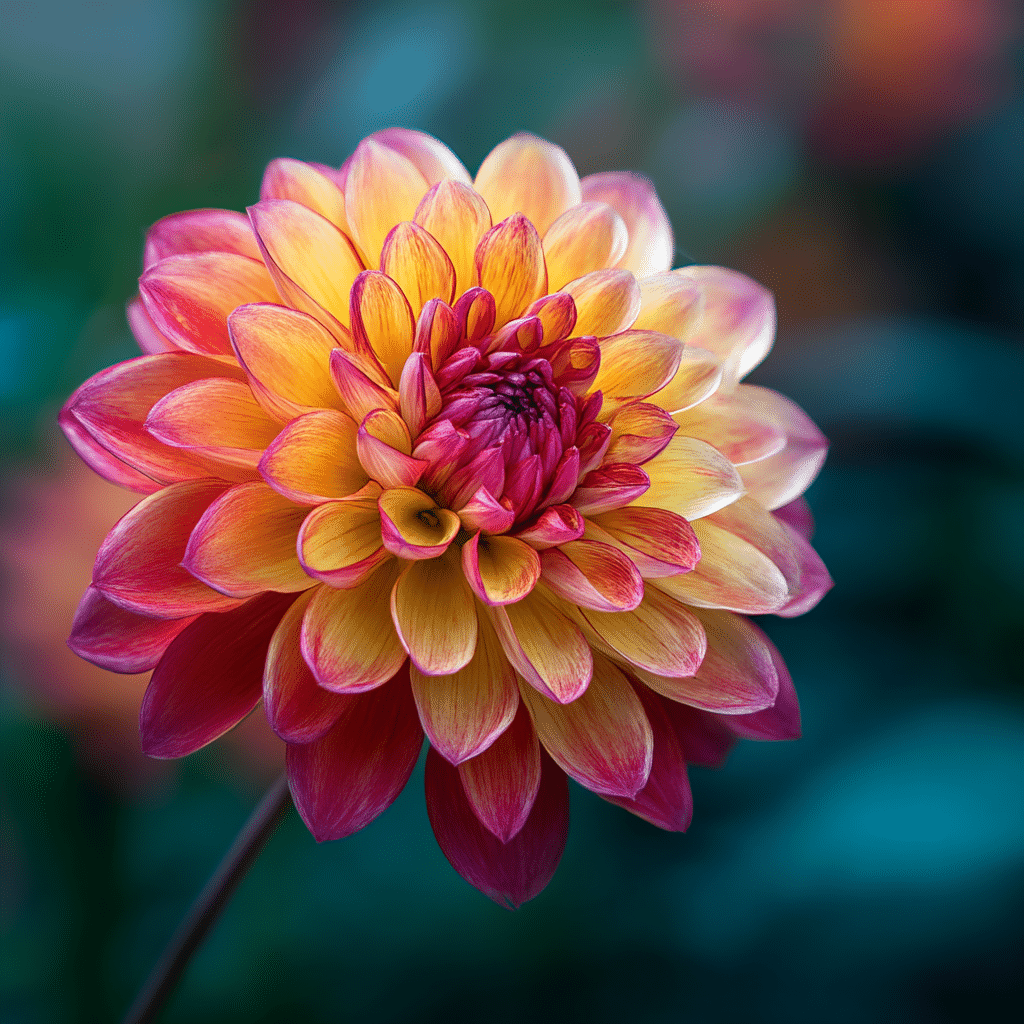
Different flowers have long held deep meanings, often expressing what words cannot. Whether you’re gifting a bouquet or planting a flowerbed, understanding the meanings of different flowers adds thoughtfulness and emotional depth to the gesture. From the romantic allure of roses to the spiritual essence of the lotus, each bloom tells a unique story. In this guide, we’ll explore what various popular flowers represent so you can choose the right one for every sentiment and occasion. Flower symbolism isn’t just tradition—it’s a timeless way to communicate feelings, celebrate relationships, and connect with nature more meaningfully.
Table of Contents
Lotus – The Flower of Enlightenment and Strength

The lotus is more than just a beautiful aquatic flower — it’s a powerful symbol of spiritual growth and inner resilience. Rooted in muddy waters, the lotus rises above the surface to bloom in pristine beauty, making it a fitting representation of purity, rebirth, and perseverance through adversity. In many cultures, especially in Eastern traditions, it stands for enlightenment, peace, and divine energy.
Because of its association with strength and transformation, the lotus is often chosen for meditation gardens or gifted to someone embarking on a new journey in life. Its soft petals and serene presence bring a calming effect, making it a meaningful addition to any garden or floral arrangement.
Marigold – The Bloom of Bravery and Joy
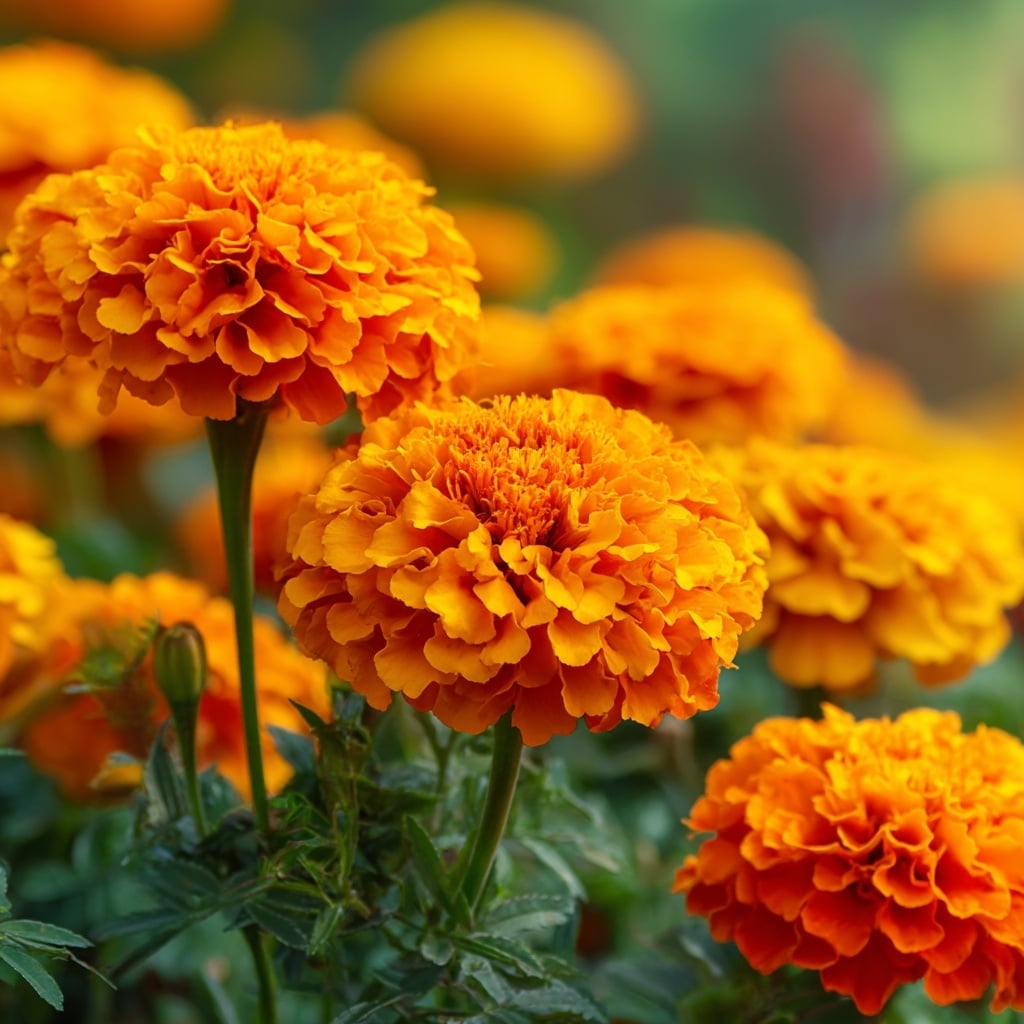
Bright, bold, and bursting with energy, marigolds are a symbol of passion, courage, and vibrant life. Known as the “Herb of the Sun,” their golden and orange hues bring warmth to gardens and festive decorations alike. In many cultures, especially in India and Mexico, marigolds are used in religious ceremonies and celebrations to honor the divine and remember loved ones.
Marigolds also symbolize creativity and optimism. Their fiery color is believed to attract positive energy and good luck, making them a popular choice for new ventures or housewarming gifts. If you’re drawn to the meanings of different flowers, marigolds stand out as a beautiful emblem of inner strength and cheerful resilience.
Hibiscus – A Symbol of Admiration and Good Fortune
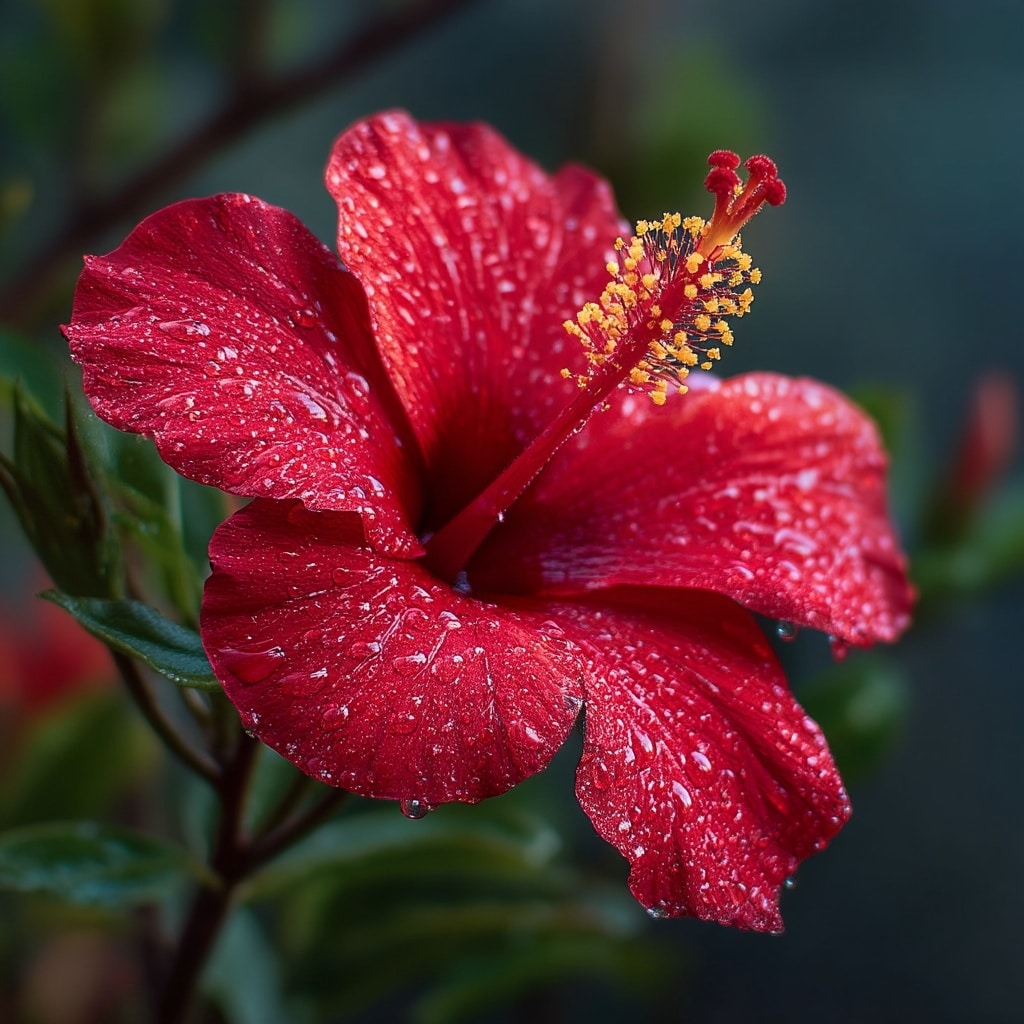
With its bold petals and tropical charm, the hibiscus is a flower that radiates admiration, joy, and positive energy. Often given as a gesture of well wishes or deep respect, this bloom carries different meanings depending on its color. Red hibiscus represents passion and deep affection, white stands for purity and enlightenment, and pink conveys friendship and gentle love.
Across various cultures, hibiscus flowers are believed to attract good luck and happiness. Their vibrant appearance makes them a favorite in both ornamental gardens and floral gifts. When considering the meanings of different flowers, hibiscus reminds us to celebrate life’s beauty, success, and emotional connections with color and grace.
Rose – Expressions of Love, Gratitude, and Friendship
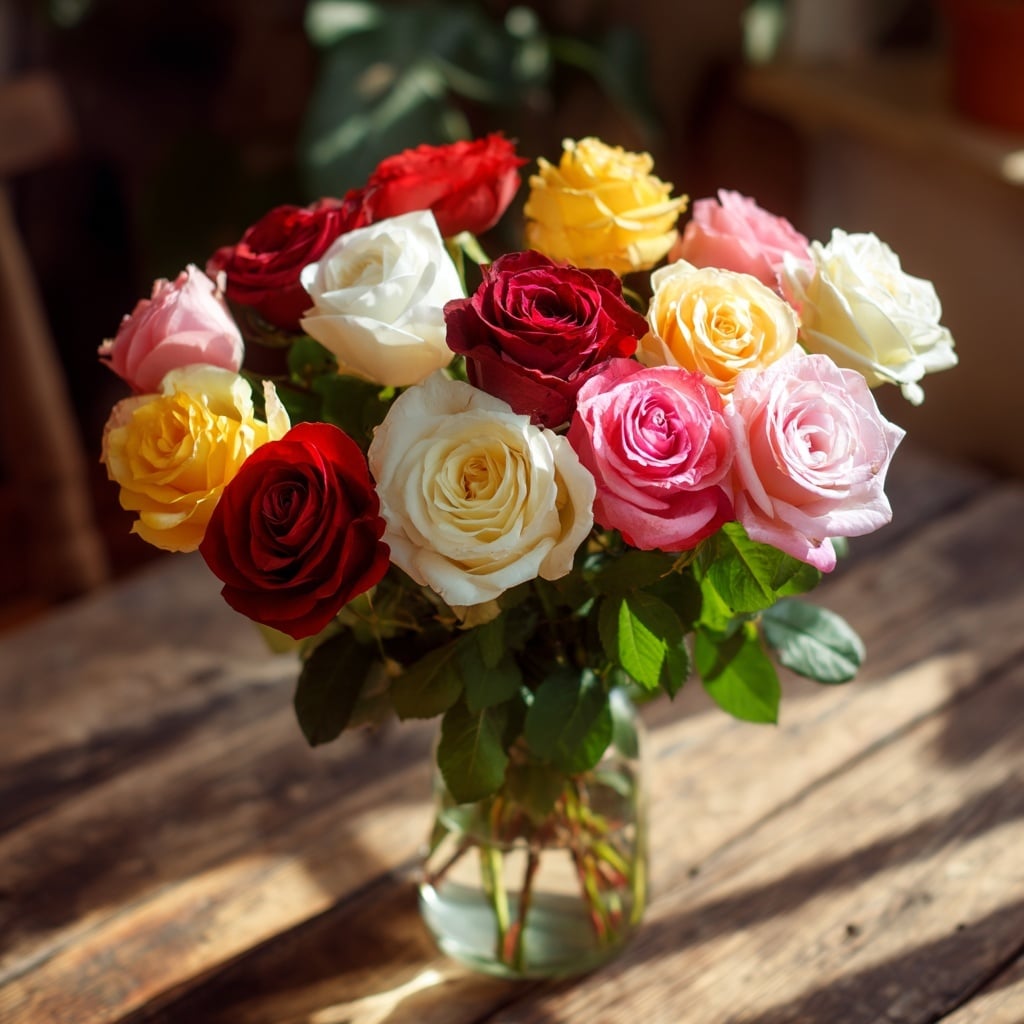
Roses are perhaps the most well-known among different flowers for their powerful symbolism and emotional resonance. Each color tells a different story: red roses speak of true love and romance, pink roses convey gratitude and admiration, white roses symbolize purity and peace, while yellow roses represent joy and lasting friendship.
Beyond their romantic associations, roses are also used to express sympathy, celebrate milestones, or honor achievements. Their classic beauty and rich fragrance make them a timeless choice for any occasion. Understanding the meanings of different flowers allows you to use roses with greater intention, turning a simple bouquet into a deeply personal message.
Chrysanthemum – The Flower of Life, Longevity, and Remembrance
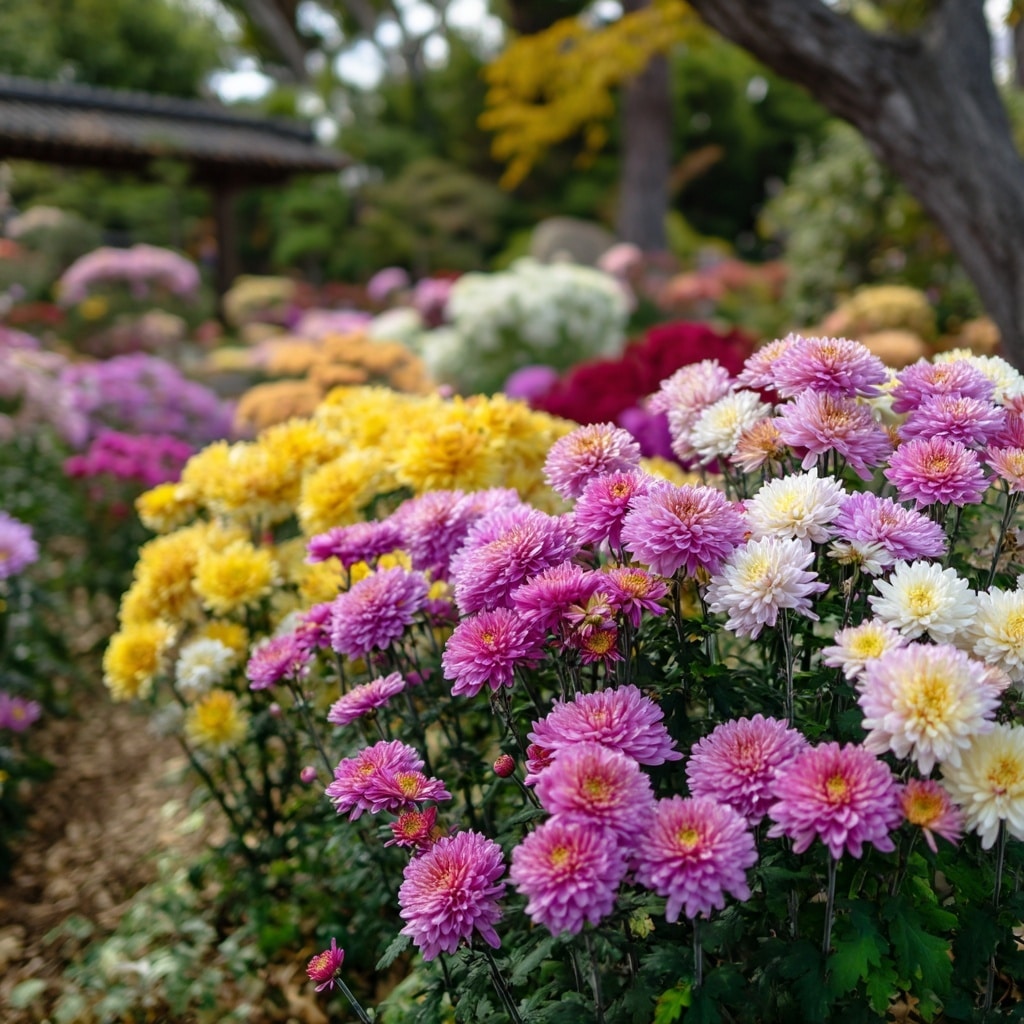
Chrysanthemums hold a rich and varied meaning around the world. In many cultures, they are associated with happiness, long life, and renewal. Their bright, layered petals bring a sense of joy and celebration, making them ideal for honoring birthdays, retirements, or new beginnings.
However, the symbolism of chrysanthemums can differ by region. In countries like Japan, they represent nobility and longevity, while in parts of Europe, they are linked to remembrance and are often used in memorial services. This dual meaning makes chrysanthemums one of the more complex among different flowers, blending themes of both vitality and respectful reflection.
Jasmine – A Fragrant Symbol of Love and Modesty
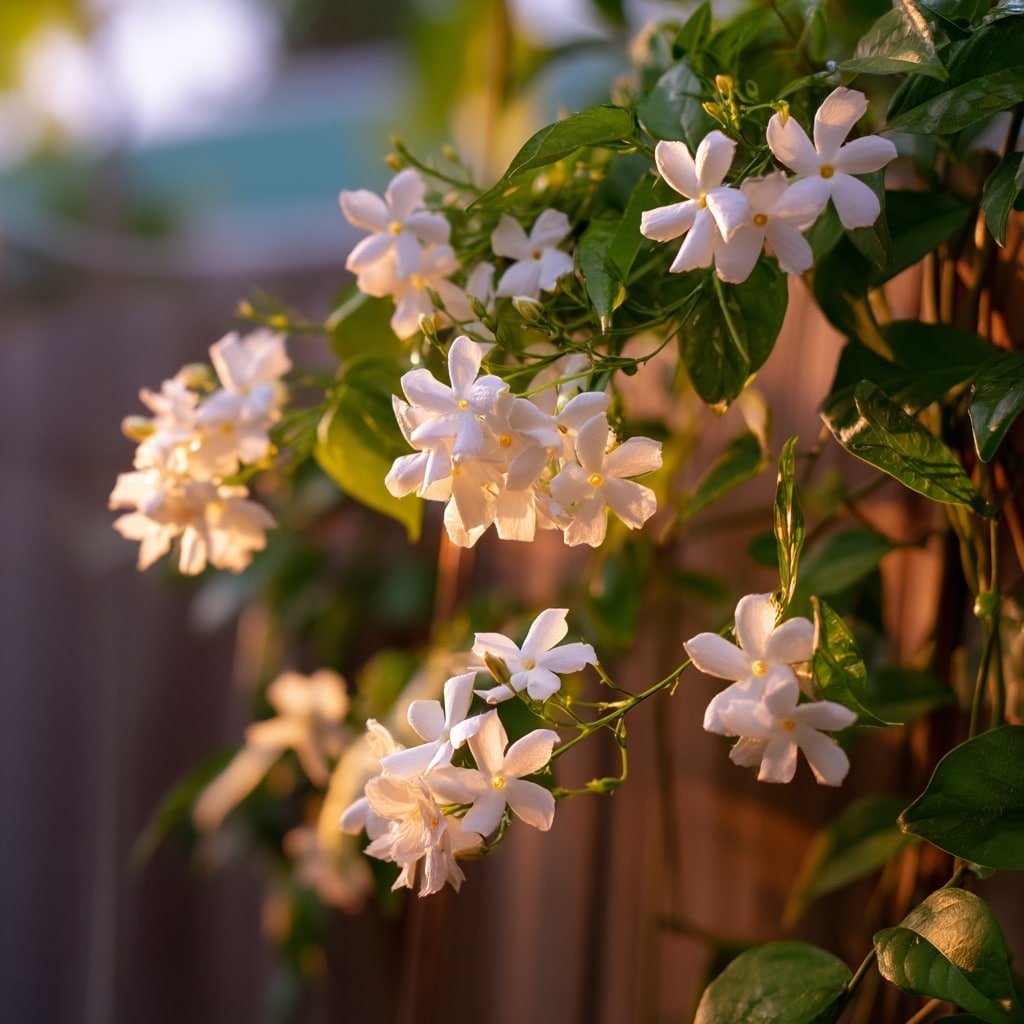
Delicate and intensely fragrant, jasmine is a flower deeply rooted in symbolism. Across cultures, it often stands for love, sensuality, and purity. The soft white blossoms are associated with innocence and grace, while their alluring scent has long been linked to romance and spiritual devotion.
In some traditions, jasmine also symbolizes modesty, especially because many varieties bloom at night, revealing their beauty in quiet moments. Whether woven into wedding garlands or used in garden borders, jasmine carries a tender message. Among different flowers, jasmine stands out for its ability to combine emotional warmth with gentle humility, making it both powerful and understated.
Gardenia – A Delicate Expression of Trust and Renewal
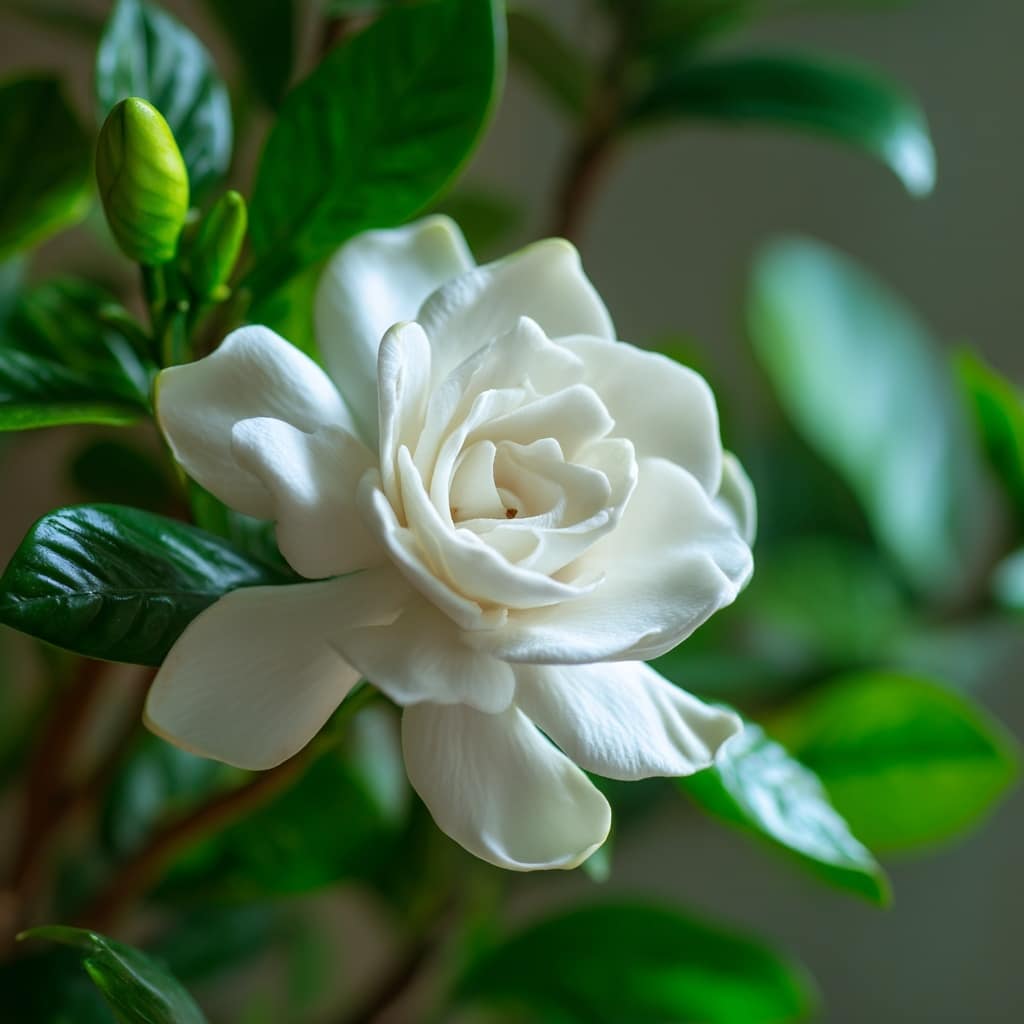
Elegant and pure, the gardenia is a flower often associated with trust, clarity, and emotional healing. Its creamy white petals and soft fragrance evoke feelings of calm and sincerity, making it a popular choice for expressing heartfelt intentions and quiet affection.
Gardenias are also symbols of new beginnings and spiritual renewal. They’re frequently used in wedding bouquets, sympathy arrangements, and personal gardens as a representation of honesty and hope. If you’re drawn to the deeper meanings behind different flowers, gardenias offer a gentle yet profound way to express emotional connection and inner growth.
Orchid – The Elegant Emblem of Thoughtfulness and Charm
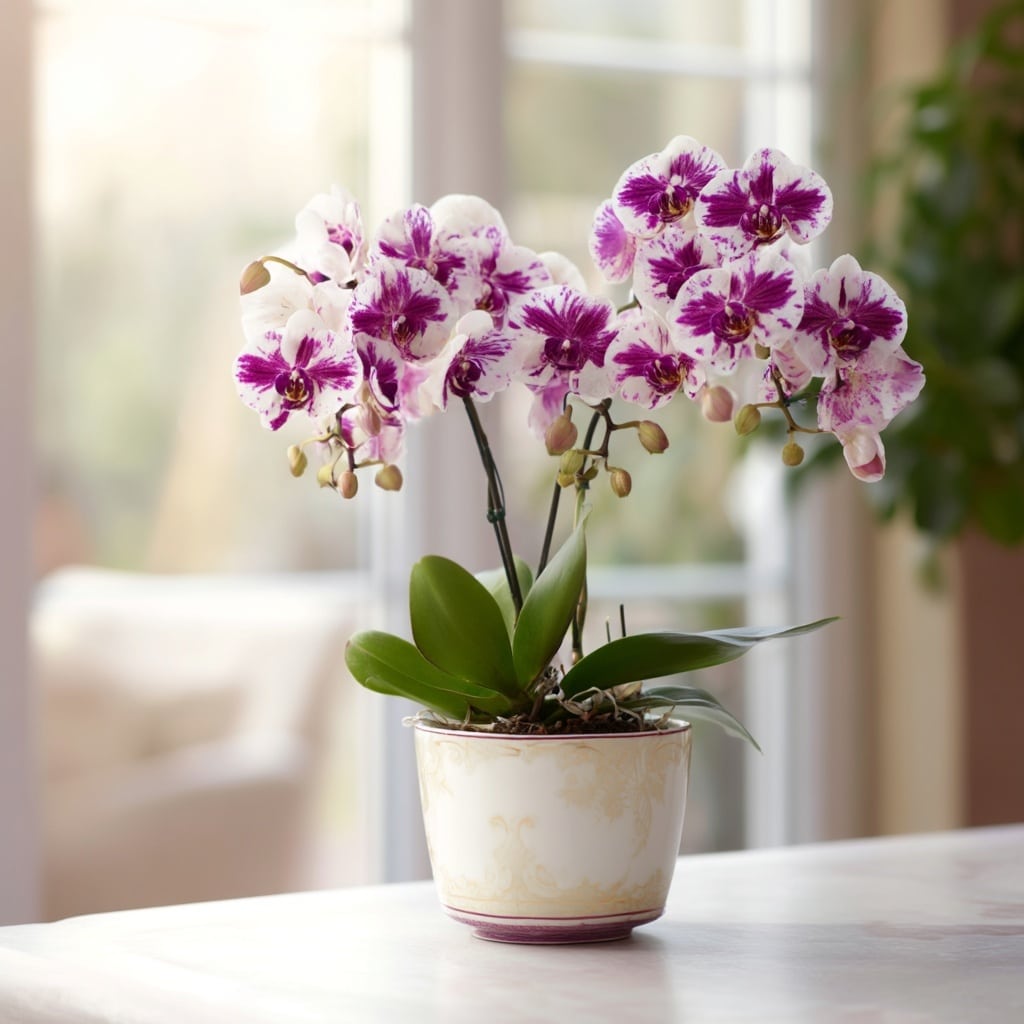
Orchids are known for their graceful beauty and exotic allure, making them symbols of refinement, charm, and delicate strength. With their intricate shapes and wide range of colors, orchids often represent rare and precious qualities — the kind of thoughtful, quiet elegance that leaves a lasting impression.
These blooms are frequently gifted to mark milestones, such as anniversaries, new achievements, or special celebrations. Orchids also carry connotations of fertility and good luck in various cultures. Among different flowers, orchids stand out for their ability to convey deep appreciation, admiration, and emotional depth in an understated yet powerful way.
Dianthus – A Classic Bloom of Love and Gratitude
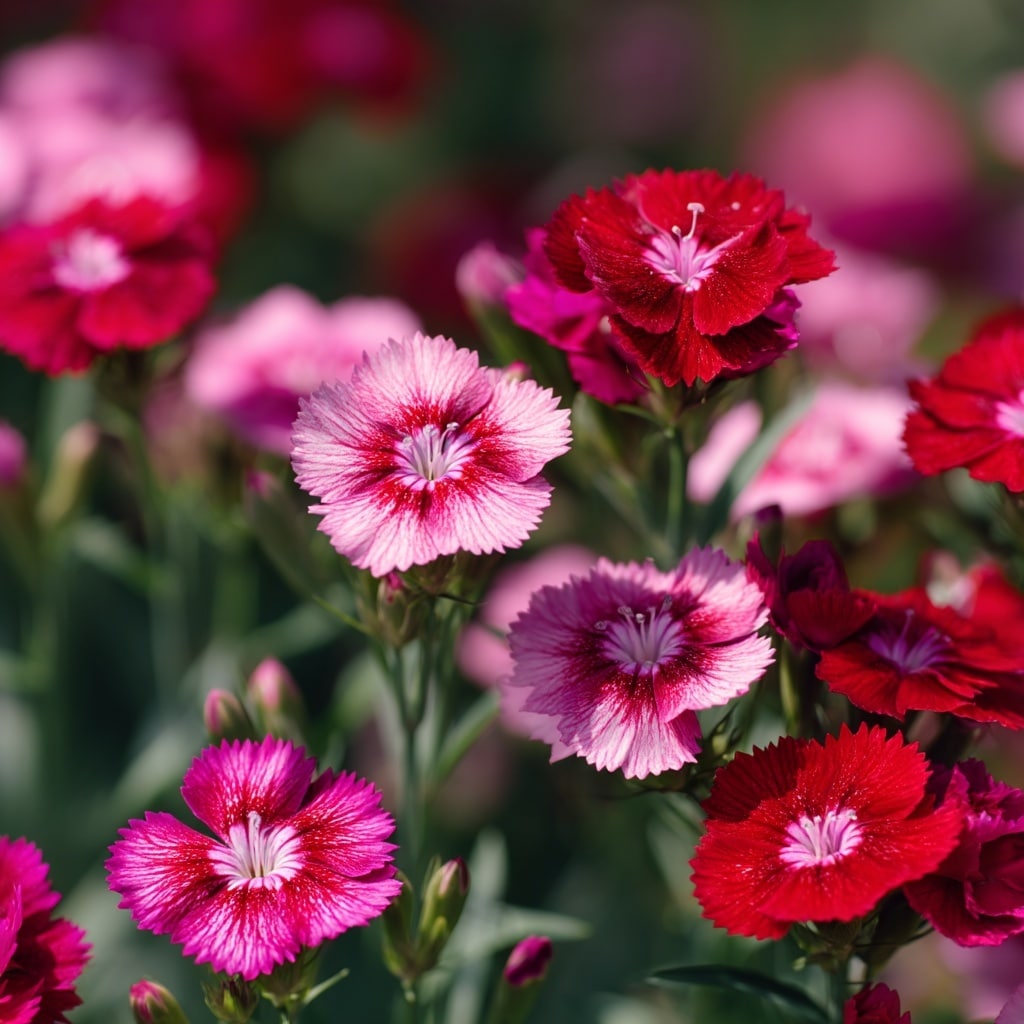
Charming and vibrant, dianthus flowers—often called “pinks” or “flowers of love”—carry heartfelt meanings tied to affection, admiration, and gratitude. Their fringed petals and sweet clove-like scent make them a timeless favorite for honoring mothers, teachers, and anyone who has made a meaningful impact in your life.
Traditionally, dianthus represents gallantry and deep respect. They’re especially popular around Mother’s Day as symbols of appreciation and sincere emotion. If you’re considering the meanings of different flowers for a thoughtful gift or garden addition, dianthus offers a beautiful and enduring way to express love and thankfulness.
Dahlia – Celebrating Grace, Power, and Diversity
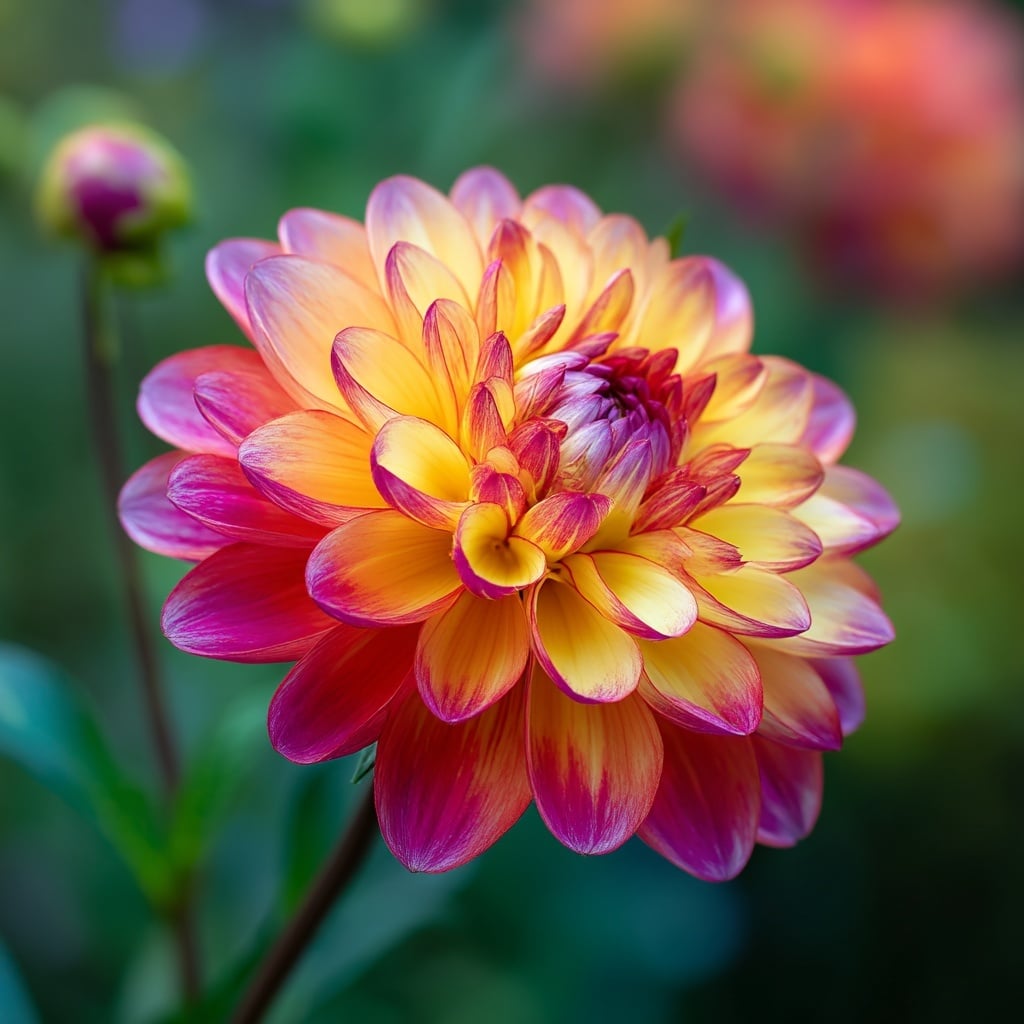
Dahlias are known for their stunning symmetry and wide range of colors, making them a symbol of elegance, intelligence, and inner strength. These bold blooms represent standing tall through life’s challenges while maintaining grace and dignity — a powerful message wrapped in petals.
They also symbolize diversity and uniqueness, making them a meaningful choice for honoring individuality and embracing personal growth. Whether planted in a home garden or gifted during times of change, dahlias speak to the beauty of transformation. Among different flowers, dahlias shine as a reminder that true strength often comes from embracing who you are.
Conclusion
Understanding what different flowers symbolize adds a beautiful layer of meaning to the plants we choose and the gifts we give. Each bloom tells a story — of love, resilience, peace, or gratitude — making your selections more intentional and heartfelt. Whether you’re planting a thoughtful garden or creating a bouquet for someone special, paying attention to floral symbolism can turn a simple gesture into something truly memorable.