

Rare roses have long enchanted gardeners, collectors, and flower lovers alike. These extraordinary blooms offer more than just striking appearances—they carry stories, symbolism, and a touch of mystery that set them apart from more common varieties. Whether it’s their unusual colors, historical significance, or unique growing challenges, rare roses bring an element of wonder to any garden. In this guide, we’ll take a closer look at five of the most captivating rare rose varieties you should know about—each offering its own blend of beauty, rarity, and allure.
Why Rare Roses Captivate Gardeners and Collectors

For gardeners and rose enthusiasts, rare roses are much more than ornamental plants—they’re living treasures. Their appeal lies in a delicate combination of beauty, scarcity, and legacy. Each rare rose tells a story that connects generations, often rooted in cultural or botanical heritage. But what truly sets these unique blooms apart?
🌹 1. Scarcity Enhances Their Charm
Most rare roses are difficult to cultivate or limited in availability due to their genetic makeup or growing conditions. This scarcity makes them highly coveted, adding an exclusive flair to gardens and collections. Owning a rare rose can feel like having a piece of botanical art.
🌺 2. Extraordinary Fragrance
Unlike many modern hybrids bred primarily for appearance or shelf life, rare roses often boast rich, complex fragrances. Their scents range from sweet and spicy to citrusy or musky, evoking deep emotional responses and nostalgic memories.
🎨 3. Unusual Colors and Patterns
Rare roses frequently display hues and petal patterns that defy convention—think velvety blacks, vibrant blues, or multi-toned petals with streaks and spots. These eye-catching features make them centerpieces in floral arrangements and show gardens.
📜 4. Historical and Cultural Significance
Many rare varieties are heirlooms passed down through generations or tied to specific eras, families, or events. Cultivating these roses connects gardeners with centuries of horticultural tradition, preserving the lineage of plants that might otherwise be lost.
The Timeless Appeal of Heirloom Roses
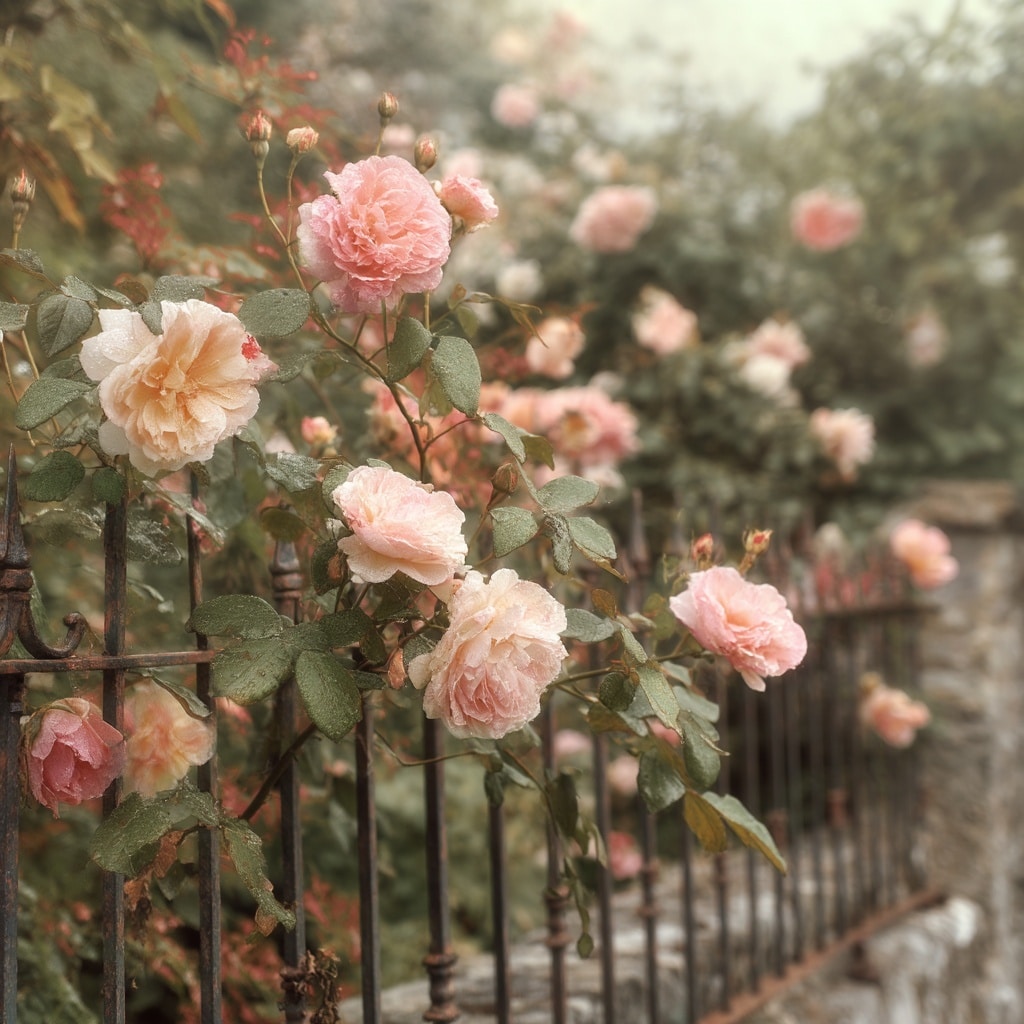
Among the many types of rare roses, heirloom roses hold a special place for those who value authenticity and history in their gardens. Often dating back to the 19th century or earlier, these time-honored blooms have been passed down through generations, carrying with them a sense of continuity and resilience that modern hybrids sometimes lack.
🌿 1. Deep Historical Roots
Heirloom roses are often tied to specific families, estates, or historic events. Growing them is like planting a piece of the past in your own backyard. Their heritage brings an emotional connection to gardeners who appreciate the idea of cultivating the same flower that once bloomed in centuries-old gardens.
🌼 2. Fragrance That Modern Roses Can’t Match
Many gardeners turn to heirloom varieties for their scent. Unlike newer hybrids, which may prioritize visual traits over smell, heirlooms are celebrated for their rich, layered fragrances—ranging from spicy cloves to sweet citrus or intense damask.
🛡️ 3. Natural Disease Resistance
Before the widespread use of pesticides, these roses were bred to withstand the elements. As a result, many heirloom varieties have a natural resilience to common diseases like black spot and powdery mildew, making them an appealing choice for organic and sustainable gardening.
💚 4. Gardeners Value Their Integrity
Choosing heirloom roses is often a decision rooted in values—authenticity, sustainability, and preservation. For those who prefer cultivating plants that haven’t been genetically modified or chemically altered, heirlooms represent a more natural and ethical choice.
Exotic Roses: Uncommon Colors That Defy Nature
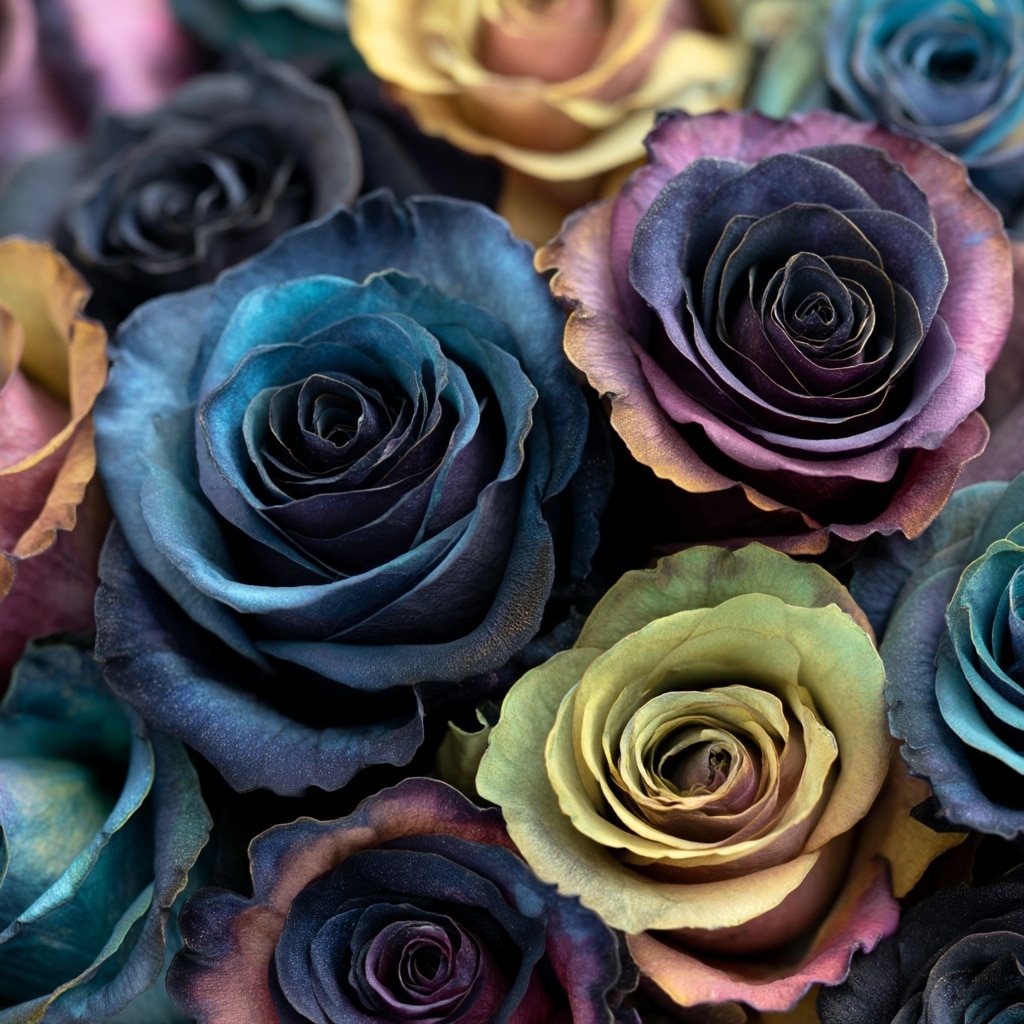
Few things capture the imagination quite like rare roses in exotic colors. These varieties break away from traditional reds, pinks, and whites to showcase shades that are almost surreal—think velvety black, shimmering blue, and delicate green. While many of these hues are the result of meticulous breeding or even creative techniques like petal dyeing, their allure is undeniable.
🖤 1. Black Roses: Elegance with an Edge
Though true black roses don’t occur naturally, some deep red or purple varieties come close. Their dramatic tones symbolize mystery, farewell, or rebirth. Popular in gothic-style gardens or themed events, black roses make a bold statement and are often grown for their aesthetic depth and symbolism.
🔵 2. Blue Roses: A Botanical Rarity
Blue roses have long been the stuff of legend, as roses naturally lack the pigment needed to produce a true blue. However, through genetic modification and hybrid techniques, breeders have come close. The result is a rose with an iridescent, sometimes silvery-blue sheen that seems to shimmer in changing light—adding a sense of wonder to any garden.
💚 3. Green Roses: Subtle and Surreal
Green roses offer a softer charm, with pale, creamy petals tinged in mint or sage tones. These varieties often symbolize harmony, renewal, and calm. While less flashy than black or blue types, green roses add a touch of the unexpected and pair beautifully with pastel garden palettes.
🌍 4. Why They’re So Rare
These exotic roses require highly specific growing conditions—often including controlled humidity, soil pH, and climate. Some are grown exclusively in select regions of Asia or Europe, while others exist only in greenhouses. Their fragility and cultivation difficulty make them prized additions to private collections and botanical displays.
Rare Rose #1: The Phantom’s Glow Rose
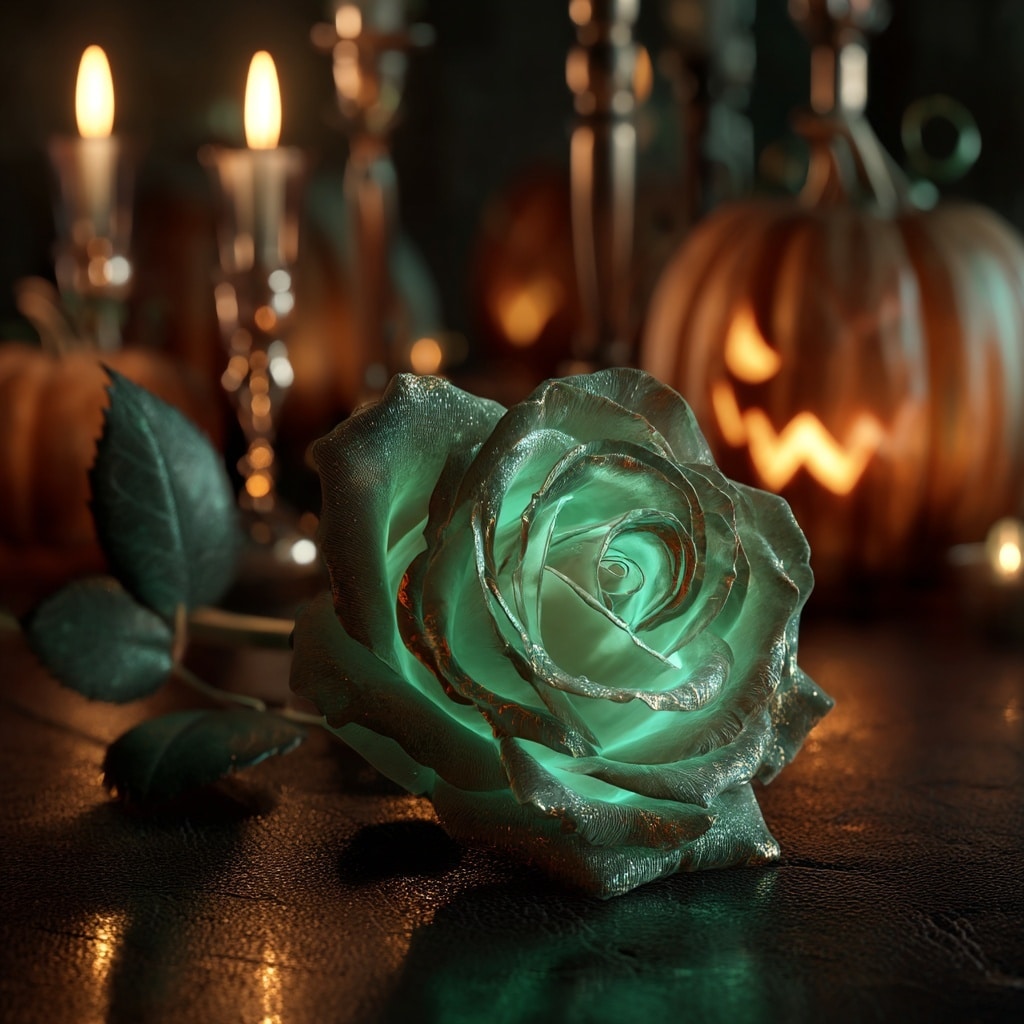
Among the most extraordinary rare roses, the Phantom’s Glow Rose stands out as a botanical marvel. Revered for its otherworldly appearance, this rose doesn’t just capture attention—it glows in the dark. Designed with Halloween in mind, it’s a favorite among collectors who value roses with a story and dramatic flair.
✨ Unique Glow-in-the-Dark Petals
What sets this rose apart is its natural luminescence. In daylight, it appears as a creamy white bloom with a subtle lemon tint. But once the lights go out, the petals emit a soft green glow—revealing a hauntingly beautiful pumpkin-shaped pattern that adds a festive, eerie charm.
🎃 Symbolism and Appeal
The Phantom’s Glow symbolizes the balance between light and shadow, life and decay. It’s not just a flower—it’s a living piece of art that celebrates transformation and seasonal beauty. Ideal for Halloween arrangements or gothic-themed gardens, this rose evokes emotions ranging from wonder to nostalgia.
🌱 Growing Requirements
This rare rose isn’t for the faint of heart. It demands carefully controlled conditions, including:
- Low light exposure before blooming
- Consistent humidity and warmth
- Nutrient-rich, well-draining soil
- Minimal stress from environmental changes
Due to its complexity, this variety is mainly bred by specialists and often sold through exclusive florists like Rosaholics.
💡 Quick Facts:
- Creamy petals with lemon center
- Classic spiral bud structure
- Glow-in-the-dark petals with hidden imagery
- Best suited for holiday-themed floral displays
Rare Rose #2: The Blue Pearl Rose
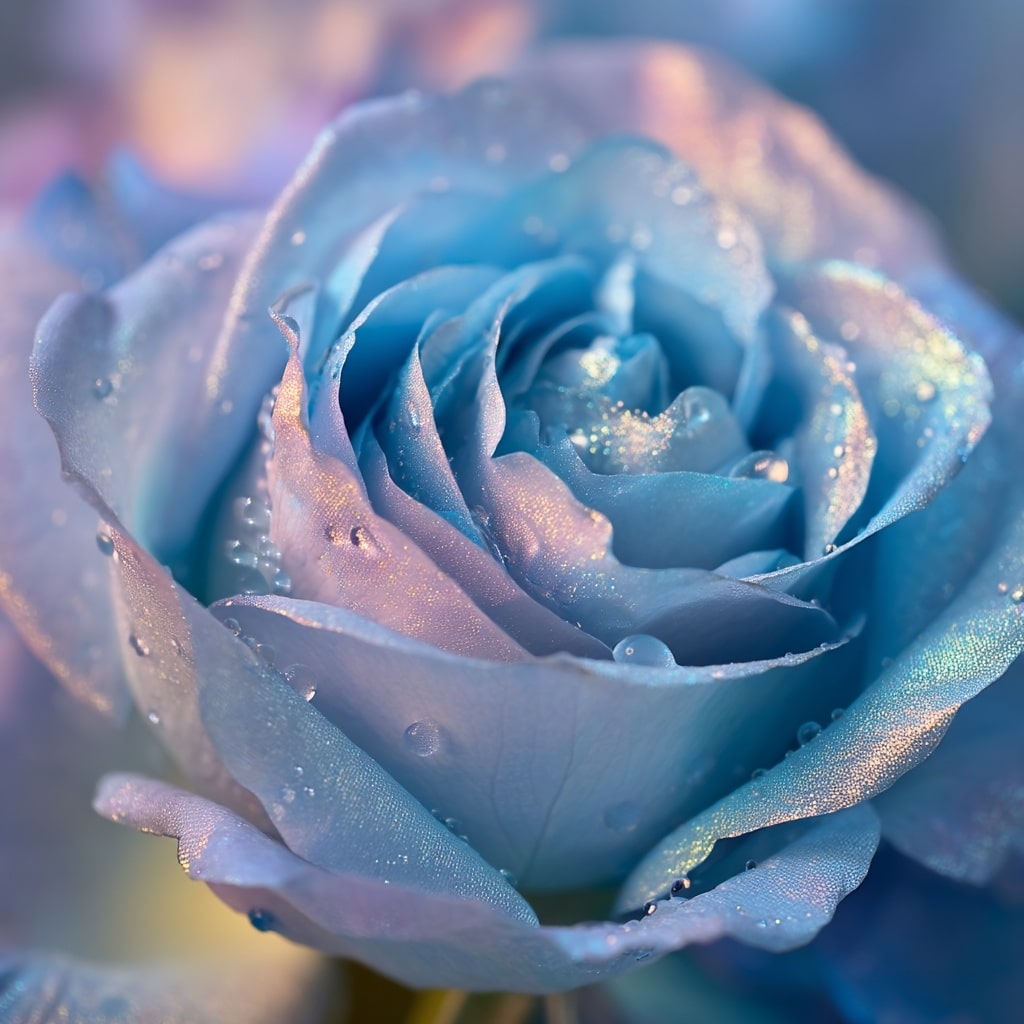
Among the most visually striking rare roses, the Blue Pearl Rose is often considered the crown jewel of exotic blooms. Revered for its shimmering, color-shifting petals, this rose doesn’t just display beauty—it redefines it.
💎 Iridescent Petals That Change with Light
Unlike traditional roses with static hues, the Blue Pearl Rose reflects and refracts light. In soft sunlight, the petals may appear as a gentle sky blue. Under cooler tones or in shade, they deepen into a vibrant sapphire. This dynamic color play gives the rose an almost magical aura.
🌌 A Botanical Breakthrough
True blue roses don’t exist naturally in the plant kingdom. The Blue Pearl was developed through decades of careful hybridization and selective breeding. Achieving its color involved manipulating pigment expression while maintaining the integrity of rose genetics—making this variety both a scientific feat and a horticultural treasure.
🌿 Challenging to Grow
Much like other rare roses, this one is notoriously hard to cultivate. Successful growth requires:
- Slightly alkaline, well-drained soil
- Consistent high humidity
- Temperatures between 60–75°F (15–24°C)
- Protection from intense midday sun
Its finicky nature makes it a prized challenge for advanced gardeners and botanical institutions.
✨ What It Symbolizes
The Blue Pearl is often associated with:
- Tranquility – Its cool tones evoke calmness
- Wisdom – Symbolizing clarity and depth of thought
- Rarity – Its elusive nature adds prestige to any collection
📌 Collector’s Notes:
- Rare iridescent blue color
- Petals shift hues in different lighting
- Requires very specific growing conditions
- Highly sought after by elite collectors and botanical gardens
Preserving Rare Roses: Conservation and Cultivation
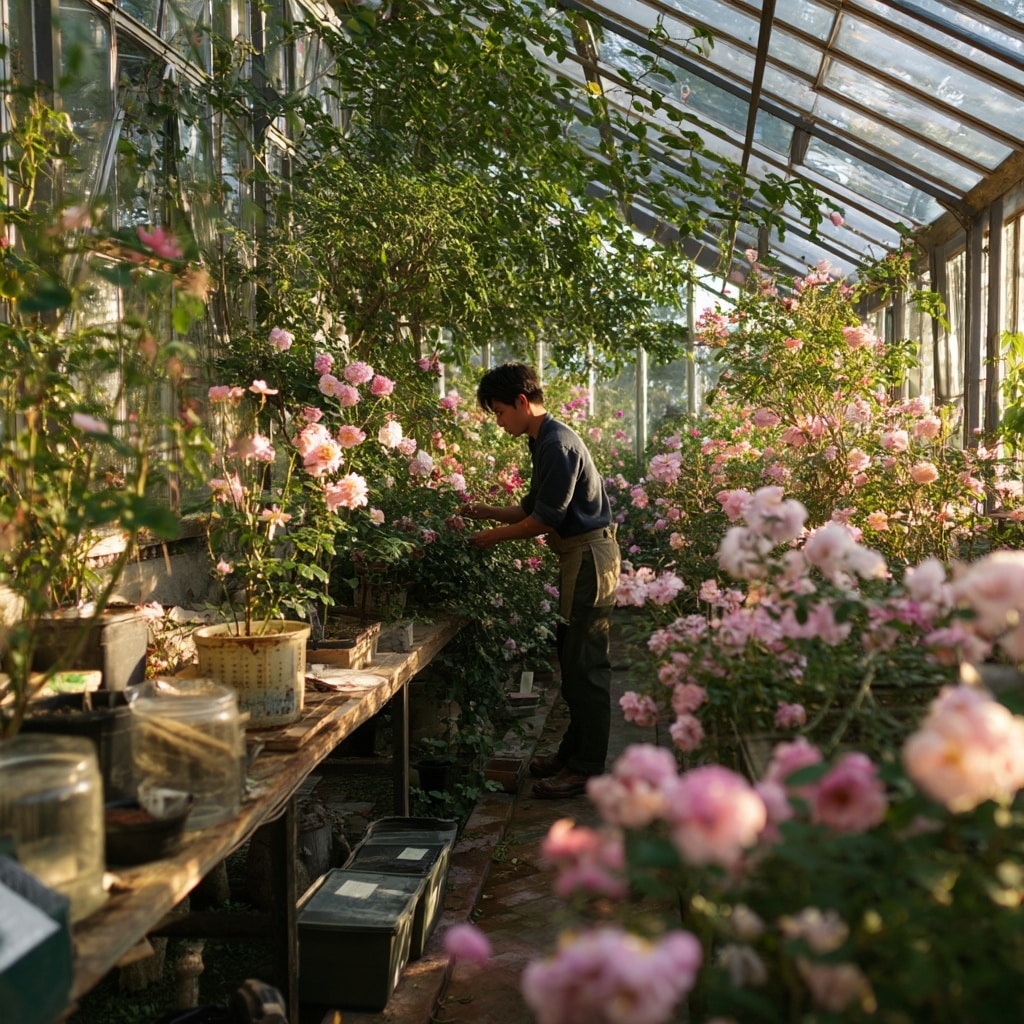
As the popularity of rare roses continues to grow, so does the urgency to preserve their genetic diversity. These exceptional blooms are not just decorative marvels—they’re vital components of botanical history and biodiversity. Protecting them ensures future generations can enjoy their beauty and uniqueness.
🧬 Why Preservation Matters
Many rare rose varieties face serious threats, including:
- Habitat destruction due to urbanization
- Climate change impacting natural growing zones
- Over-hybridization that dilutes heirloom genetics
Without focused conservation efforts, some of these rare rose types could be lost forever.
🏛️ The Role of Botanical Gardens
Botanical institutions worldwide are on the front lines of preservation. They maintain living collections, seed banks, and controlled environments where fragile roses can thrive. These spaces also serve as research centers, helping scientists study rose genetics and improve sustainable cultivation techniques.
🏡 How Gardeners Can Help
You don’t have to be a botanist to contribute. Here’s how home gardeners can support rare rose preservation:
- Grow heirloom or exotic varieties responsibly
- Support nurseries and breeders focused on conservation
- Avoid chemical-heavy practices that harm soil and biodiversity
- Participate in seed-sharing programs to expand access to rare cultivars
🌸 Breeding Programs for the Future
Specialized breeders are also working to recreate lost rose traits and even engineer varieties that replicate the beauty of endangered ones. Through hybridization, these programs preserve not just aesthetics but also traits like disease resistance and climate adaptability.
🌍 Every Rose Counts
Whether you’re growing them in your backyard or supporting conservation groups, your effort plays a part in protecting the delicate heritage of rare roses. Their survival depends on collective awareness, care, and passion.
Conclusion
Rare roses offer more than just beauty—they bring history, challenge, and meaning to every garden they grace. From glowing holiday-themed varieties like the Phantom’s Glow to the elusive shimmer of the Blue Pearl, these blooms captivate with their uniqueness and demand our care in return. Whether you’re a seasoned rose collector or a home gardener with a passion for preservation, growing rare roses is both a privilege and a responsibility. By choosing to cultivate and protect these special varieties, you’re keeping centuries of botanical tradition alive—one bloom at a time.